grief and sleep

Boy, do I envy my cats’ ability to fall asleep any place, any time.

I’ve lived with chronic physical pain for over a decade and there are nights when it is hard to go to sleep-when it is impossible to ignore the pain.  But I have never thought of myself as having trouble sleeping.

Until now.

When grieving a child, you are oh, so very tired.  Yet often sleep eludes you.

“He who learns must suffer.  And even in our sleep pain that cannot forget falls drop by drop upon the heart, and in our own despair, against our will, comes wisdom to us by the awful grace of God.”

Aeschylus

Lying in bed, in the dark, my mind kicks in to hyper-drive.  With no external stimulation to provide distraction, images come unbidden and unwelcome to taunt me.  I work hard to guide the train of thought to a less tortuous route.

So I thought I would share some ways that help me make it through the long nights:

  • Only lie down when you are tired enough to expect that you can fall asleep.  I am physically active each day so that at least my body is ready for rest.
  • Don’t drink caffeinated beverages after 12 noon and don’t eat heavy foods past mid-afternoon.
  • Be selective about what you listen to, watch or read in the hours leading up to bedtime.  I try to feed my mind images and information that will help me focus on more positive themes when I close my eyes.
  • Keep a pad and pencil next to the bed to jot down last minute reminders of things you might need to remember tomorrow.  I try to think ahead and have a rough plan of action for the next day so that my mind can rest.
  • Make sure you are physically comfortable–room temperature and bed clothes appropriate to the season, pajamas in soft fabrics, well-hydrated, take analgesics as needed for physical pain, etc.
  • Make whatever concessions are needed to hold anxiety at bay.  I have a nightlight in my bathroom that casts a soft glow into my bedroom.  I keep my cell phone and home phone next to me because once you get “that call” you feel like you must be instantly accessible to loved ones.  My cat sleeps with me–purring is a great comforter.
  • When I turn out the light and turn over, I purposely focus my mind’s attention and heart’s affection on trusting God to help me drift off to sleep.

“I can lie down and go to sleep, and I will wake up again, because the Lord ·gives me strength [sustains/upholds me].”

Psalm 3:5 EXB

  • If you wake up in the middle of the night, try reciting Scripture, poems, humming hymns or other music to lull yourself back to sleep. I will sometimes do mental work like planning a project or trying to recall a childhood memory–anything that might make me tired.
  • If  you can’t go back to sleep in 30 minutes or so, get up and get on with the new day–even if it is only hours old.  There’s no use lying in bed and tossing and turning. While I may be exhausted for that day, I’m almost certain to be able to sleep better the next night.

Sleep is important.

If you find that you are unable to get more than a few hours sleep for longer than two weeks–talk to your doctor.  There is NO SHAME in asking for help. And there are many products available that are non-habit forming and suitable for short-term use.

It is impossible to do the work grief requires if you are worn out from lack of sleep in addition to carrying the pain of losing your child.

“We sleep, but the loom of life never stops, and the pattern which was weaving when the sun went down is weaving when it comes up in the morning.”

Henry Ward Beecher

If we can help ourselves get the rest we need, we are better able to face the challenge of each new day.

Bereaved Parents and The Question of Photographs

Pictures are everywhere today–much different than when I was a child and you had to go down to the local studio to get a decent family photo. Poloroids were fun and fast, but the number of shots you could take was limited to the film in the packet.

And how many rolls of 110 or 35 mm are still rattling around somewhere in drawers or boxes, undeveloped and forgotten?

But now our phones make us instant and eager chroniclers of the everyday.

And social media gives us the opportunity to splatter our work across the Internet–all over the country and around the world.

One of the challenges facing bereaved parents is what to do about photographs–both the ones that exist and the ones yet to be taken.

I remember everything about the first formal family photograph after Dominic died.

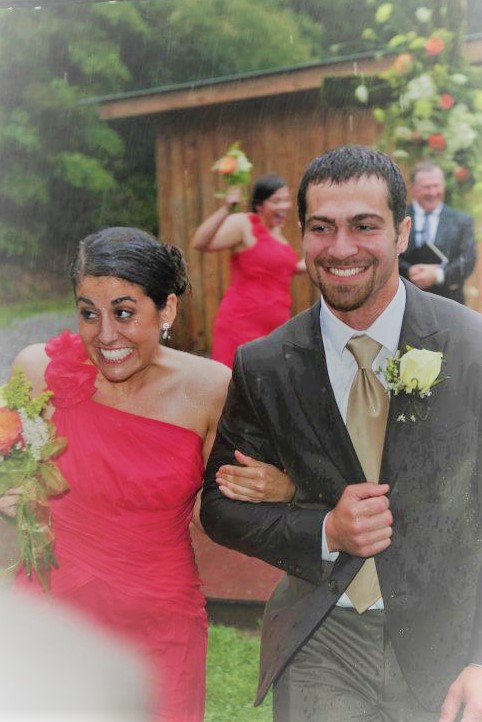
It was two months to the day since we buried him, and his older brother was getting married.  A day we had planned for and looked forward to for a long time.  

It marked a new beginning, a new life, but the specter of death veiled my eyes and whispered in my ears.

Standing there, smiling and holding back the tears, my heart cried,”One of us is missing!” and I wanted to shout, “Don’t take the photo.  Don’t memorialize the absence of my son.”

I swallowed the words and have an album full of evidence that he wasn’t there.

Our family usually sends New Year’s cards instead of Christmas cards but I haven’t sent one in years because they always included a family picture.  I don’t know how to send them if Dominic isn’t in the frame.

And what to do with all the pictures that already exist?

We had a video montage at his funeral and I have it tucked safely away. There are hundreds of snapshots, digital photos on computers and phones, all the images on his Facebook page and the pages of friends…

C.S. Lewis notes in A Grief Observed:

“Today I had to meet a man I haven’t seen for ten years.  And all that time I had thought I was remembering him well–how he looked and spoke and the sort of things he said.  The first five minutes of the real man shattered the image completely.  Not that he had changed.  On the contrary…I had known all these things once and recognized them the moment I met them again.  But they had all faded out of my mental picture of him, and when they were all replaced by his actual presence the total effect was quite astonishingly different from the image I had carried about with me for those ten years.  How can I hope that this will not happen to my memory of H.[his wife]?  That it is not happening already?”

And that’s the thing–the pictures aren’t my son.  

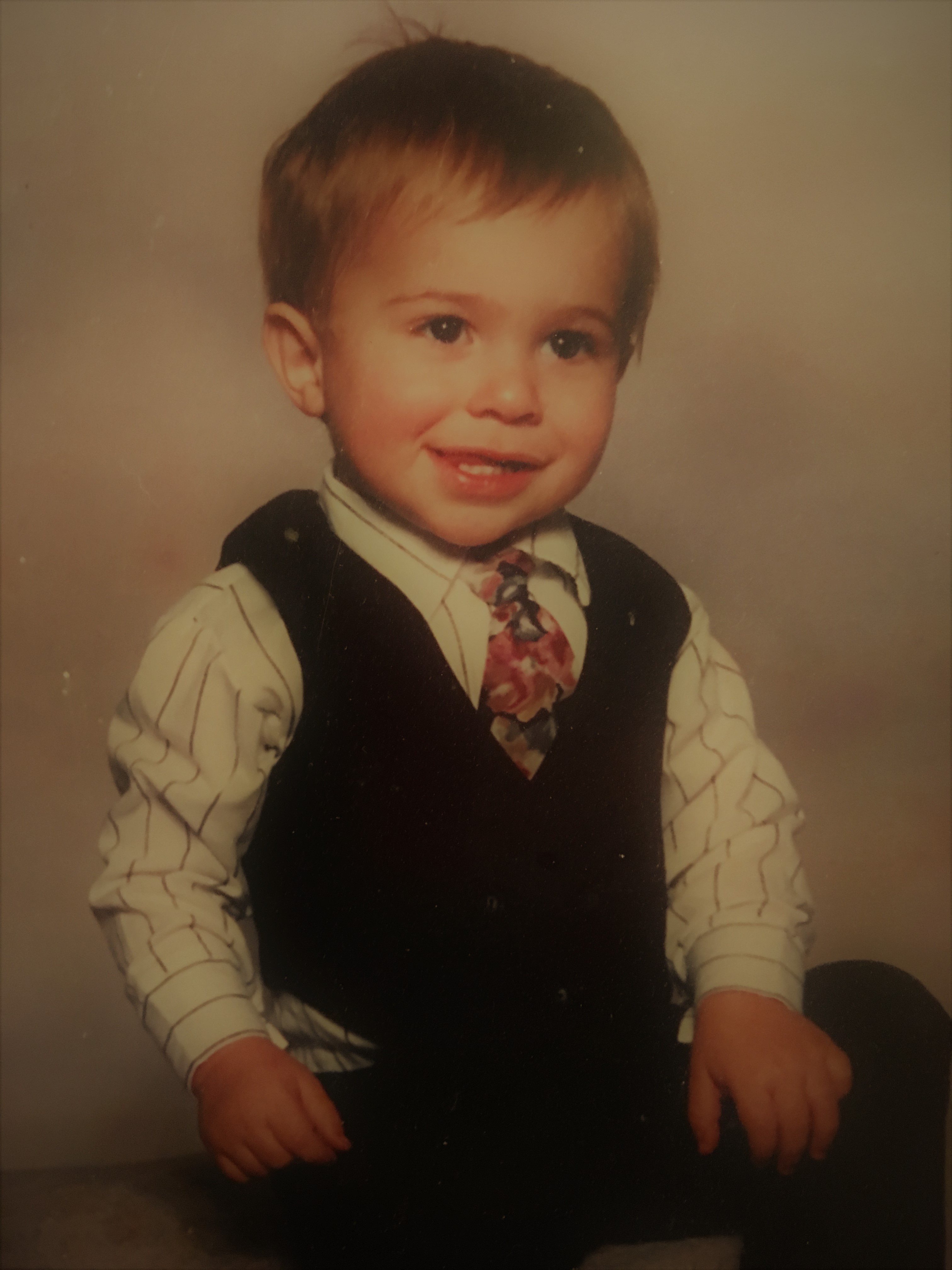
They were a moment in time, and bring a smile of remembrance, but they are only a shallow representation of the vibrant life that was Dominic.  As the months progress and his siblings and friends age, the pictures document that he is further and further out of step with our current reality.  

We are leaving him behind.

I decided early on that our walls would not become a shrine to the one child missing.  So I have incorporated photos of Dominic with those of his siblings and other family members. I do have more pictures on display than I used to–they are all I have left of my son.

It’s easy to honor his memory but I want to honor him.  

Who he was, what he represents and who he remains as part of who I am.

I don’t know how to combat the slow fade of the experience of my living, breathing son in all his complexity to the two-dimensional representation hanging on my wall.

I wish I did.

A Life in Scraps

IMG_2605

Just a few months before Dominic was killed, this hoarding homeschool mama decided that it was time to finally give up some of the thousands of pages of handwritten, color-crayoned papers stacked in the attic, the storage building and floating in corners and crevices throughout the house.

Four children and twenty-two years of teaching them at home had produced a mountain of memories.  I began to sort through the ones I deemed “most important to keep” and “everything else”.  

Several loads were taken to the dump and tossed unceremoniously onto the trash pile.

It felt like freedom.

Now it feels like regret and longing.

Because what I have left of the physical presence of my son is represented in the scraps I have kept-the clothes, the notes, the scribbled comments in the margins of his notebooks and college texts.

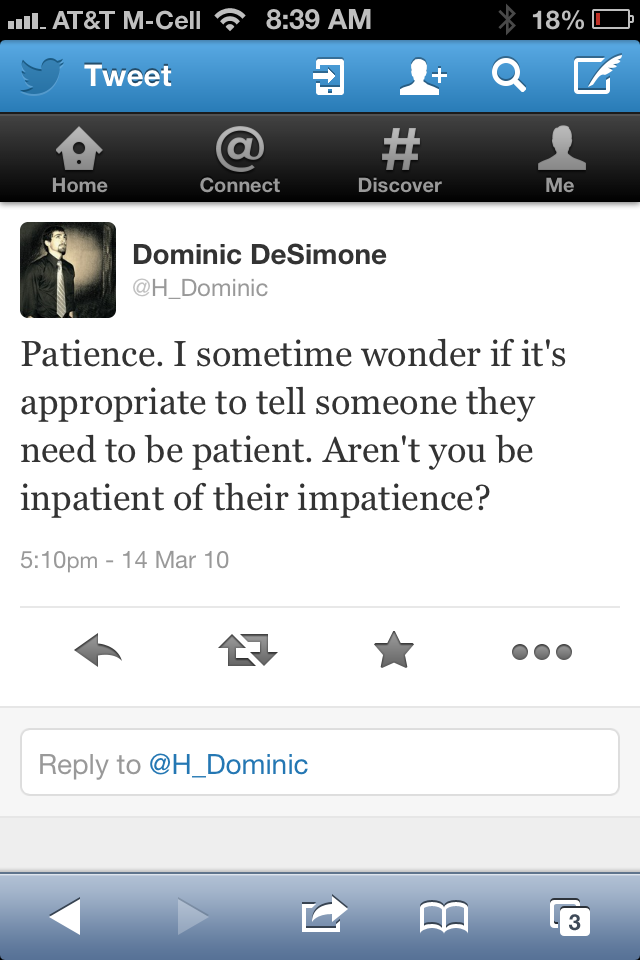
I hear his voice in the tweets– his wit and wisdom, cynicism and societal critique.

Sometimes I hold them and think of the boy,the teen,the man who wrote them.

Sometimes I hurry past because thinking of who he was and feeling the absence of who he would be right now is too great to bear.

I wish he had left more voice mails-

I don’t erase them anymore.