What’s changed and what is still the same ten years down the road of child loss?
I’ve thought about this a lot in the past few months as I prepared for, greeted and marked another year of unwelcome milestones since Dominic ran ahead to Heaven.
Some things are exactly the same:
Whenever I focus solely on his absence, my heart still cries, “Can he REALLYbe gone?” I am STILL A Mess Some Days….
The pain is precisely as painful as the moment I got the news.
It’s just as horrific today to dwell on the manner of his leaving.
I miss him, I miss him, I miss him. I live every day with his Tangible Absence.
I am thankful for his life, for the opportunity to be his mama and for the part of me shaped by who he was.
The absolute weight of grief has not changed. The burden remains a heavy one.
Daily choices are the difference between giving up and going on. I have to make Wise Choices in Grief.
My faith in Christ and my confidence that His promises are sure is the strength on which I rely. I have been Knocked Down But Not Destroyed.
I passionately look forward to the culmination of all history when every sad thing will come untrue.

Some things are very different:
Dominic’s absence is no longer all I see.
Sorrow and pain are no longer all I feel.
I’ve learned to live in spite of the hole in my heart-his unique place isn’t threatened by allowing myself to love others and pouring my life into the people I have left.
Joy and sorrow are not mutually exclusive. They live together in my heart and I can smile and laugh again while still pining for a time when things were different and easier.
I am Stronger because I’ve carried this burden for years. I’ve learned to shift it from side to side.
The darkness has receded so that I see light once more. I’m not as prone to fall as fast down the dark hole of despair.
My heart longs for reunion but has also learned to treasure the time I have left here on earth.

I’ve never hidden the struggle and pain of this journey.
But I don’t want those who are fresh in grief to think that how they are feeling TODAY is the way they will feel FOREVER.
By doing the work grief requires, making wise choices and holding onto hope a heart does begin to heal.
I am not as fragile today as I was on the first day.
Gratitude is important. It is (in my opinion) a necessary ingredient for a healthy and hope-filled and useful life. It is the key to any real happiness a heart might find on this broken road.
But it cannot fill up the empty place where Dominic used to be.
Often there are random or unusual physical symptoms that show up days, weeks or even years after a child has gone to Heaven.
An important and necessary part of grief work is learning to recognize the physical manifestations of grief and advocating for care from professionals who may not be able to make the connection unless the bereaved speak up and speak out.
❤ Melanie
It’s a well known fact that stress plays a role in many health conditions.
And I think most of us would agree that child loss is one of (if not THE) most stressful events a heart might endure.
So it’s unsurprising that bereaved parents find themselves battling a variety of physical problems in the wake of burying a child.
What may be surprising is how uninformed medical and even psychological professionals are with respect to the very real ways child loss intersects with chronic conditions and often creates new symptoms.
Here is a list of only SOMEof the physical manifestations of grief (via What’s Your Grief?) with my own comments :
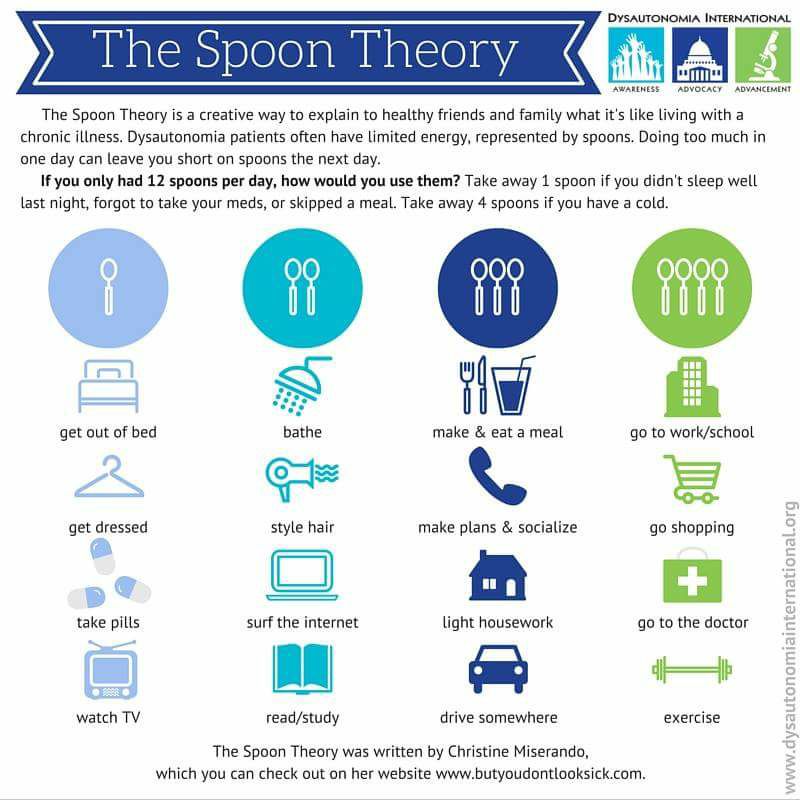
Fatigue. If you’ve always been an energetic sort, you might find this aspect of grief particularly disconcerting. This kind of fatigue doesn’t get better with rest. I’ve written about that here.
Some days I can barely make myself get out of bed and when I do, I struggle to do any but the most necessary tasks. Don’t automatically dismiss this symptom as ONLY grief (although it most certainly could be!) get a thorough check-up to rule out other causes such as low thyroid, diabetes, heart disease, major depressive disorder or a number of conditions that can be treated effectively with medicine. Don’t beat yourself up if the doctor decides “nothing is wrong” with you. You are grieving and grief is work! I know this symptom has improved for me over time as I’ve established boundaries, admitted limitations and learned to rest when necessary.
Aches and Pains. Our bodies and minds are connected in ways not well understood. Mental and emotional distress can make any underlying pain condition that much worse. When I’m feeling especially lonely, desperate or sad my autoimmune disease flares AND my perception of the very real pain that causes is heightened. Pain and heartache can lead to a downward spiral that is hard to undo. Get help and treatment for the physical and give yourself grace and space to endure the emotional causes of body aches. Don’t self-medicate with drugs, alcohol or other self-destructive coping strategies. Reach out to a safe person and let them help you find a better way.
Headaches. Needless to say, stress makes tension headaches more likely. Sometimes, though, a headache can be a symptom of something more serious. Don’t dismiss an especially sudden, intense or long-lasting headache as “just grief”. It could be previously undiagnosed high blood pressure, stroke or migraine. Those being ruled out, various relaxation techniques, cold or warm compresses, over-the-counter analgesics and gentle stretches might help.
Sometimes grief headaches can be alleviated by the simple act of telling our stories. Bottling up emotions and thoughts adds to the ongoing stress and tension of my child loss burden. When I spill them-either on paper in a journal, in a closed online bereaved parents’ group or in person to a safe friend or family member-often I feel the band around my head relax and the pain fade away.
Tightness in Chest, Shortness of Breath. The day I got the awful news, I remember asking friends who came to sit with me over and over, ” Am I still breathing?” My world was spinning out of control and my body responded. Anxiety after child loss is real. Broken Heart Syndrome is real. Heart attacks are not uncommon. Don’t ignore these symptoms. But don’t be surprised if they persist despite all tests to the contrary. When I feel trapped and overwhelmed, a walk outside or even to another room can help. Deep breathing exercises and grounding exercises can often interrupt an episode.
Forgetfulness. I wrote this post on Grief Brain: It’s a Real Thing! a couple years ago and am always surprised to see it shared repeatedly. But I think it strikes a chord with any heart walking through grief. You are not crazy! You are not experiencing early onset dementia (most likely). Like other symptoms, get checked out if they persist or worsen. But odds are, your experience falls within the range of normal for anyone whose life has been shattered by child loss. Losing things, forgetting things, getting lost in familiar places, missing appointments or bill payments, inability to remember names of people you know well-all of these are common after loss. In time, the symptoms usually diminish. They have for me. I still have to rely on lists and reminders much more often, though. And that’s OK.
Inability to Focus. Like grief brain, this is another cognitive manifestation that’s not only annoying, it can impact life in significant ways. Before Dominic ran ahead to Heaven, I was an avid reader. I often had three or four books going at the same time. I could spend hours focused on a single project. Not anymore. I sometimes find it difficult to read a recipe.
I have to take frequent breaks when working on something because my mind gets fuzzy and I just can’t pay attention for more than a few minutes at a time. Some bereaved parents have to change jobs or careers because they are not able to perform necessary tasks anymore. This particular symptom has not improved very much for me although I’ve found ways around it. I use lists to keep an external record of what I should be doing and when. I mix up mindless chores with ones that require more attention to give my brain a break. I try to dissect larger jobs into smaller, manageable chunks. And sometimes I just have to admit that today a particular thing just isn’t happening.
Appetite or Digestive Issues. Stress has long been linked to gut problems. I suspect we’ve all had that “rumbling in our tummy” from time to time even before child loss. For many of us it’s exponentially worse after. Some bereaved parents try to stuff emotions by stuffing themselves with food. Others can’t eat at all. Still others experience stomach ulcers or bowel disease ranging from acute to chronic. I was hospitalized twice in the first year after my son’s death for serious colon issues.
Again, don’t ignore sudden or persistent symptoms. Try to eat well and avoid self-medicating with food. Added pounds rarely add up to better emotional or mental health. I let pounds I’d lost ten years ago find me again. Get help if you need to from someone willing to act as an accountability partner. I’ve recently joined a friend in setting goals for ourselves and sharing recipes and meal prep. Try to treat food as another aspect of grief work and manage it the best you can.
Getting Sick More Often. Stress lowers the immune system. That’s a fact. So when bereaved parents encounter germs (as we all do from time to time) it may well be our bodies don’t have the energy or resources to combat them. Colds, flu, strep throat, skin infections may all be more likely this side of child loss. Don’t be discouraged to seek treatment. There is so much we can’t control in life, but getting antibiotics for an infection is pretty easy.
It’s not in your head, mom or dad!
Grief has real physical manifestations.
Don’t be dismissed or denied the care you need.
Educate your healthcare providers and insist on being heard.
*photo credit: The Weight of Grief Scupture ~ Celeste Roberge*
A few years ago I was encouraged to assemble some of my posts into a series I titled “Grief Work”.
They definitely do NOT cover everything I would want to share with a bereaved parent but they are a place to start if you are early on this journey and you can explore any topic further by using the search bar any time you’d like.
I’m sharing again for those who may need them now or may want to pass these on to someone else who needs them.
❤ Melanie
I have used the term for years and only recently has someone asked me to define it.
I guess I never realized that in all the writing about it, I’d never really explained what it meant.
So here goes.
The term was coined by psychiatrist Erich Lindemann in the 1940s. He worked with survivors of the Cocoanut Grove tragedy and observed that grievers experienced common symptoms, feelings and faced similar challenges. Through his work, he developed a theory of grief incorporating his observations and his technique for walking grievers through these common issues.
Today the term has been expanded and is used widely to describe almost any approach to grief that includes specific techniques for helping someone walk the path of loss.
I use “grief work” to mean all the ways I (and others) must actively seek to identify, face, process, and ultimately incorporate the feelings, trauma and changes loss force upon us.
Grief work (in no particular order) can include but is not limited to:
Attending sessions with a professional, spiritual or lay counselor. Some people find it helpful to have a safe person outside the immediate grief circle to discuss feelings, concerns and relationship challenges that are generated by loss or exacerbated by loss. It’s best to find a counselor who specializes in grief, preferably child loss and/or traumatic loss (all child loss can be classed as traumatic loss). Other counselors may be too quick to label a bereaved parent’s grief as “abnormal” or “too lengthy” or “complicated” when it is, in fact, closely following observed timelines for dealing with child loss. If the first counselor you find isn’t a fit, try another. It’s OK to insist that you are heard, your feelings respected and your loss recognized for the life-shattering event that it is.
Finding, joining and participating in online or in person support groups. There are literally dozens of online support groups for bereaved parents. Some are designed to meet the needs surrounding specific types of loss such as sudden death, suicide, drug overdoses or loss to cancer or another disease or condition. Some are organized around certain faiths. Others may be rooted in geographic proximity and the online group might have a monthly or quarterly face-to-face meeting in the area. While it can sometimes be overwhelming to see the number of parents in such a group, it’s also extremely helpful to have a safe space to share things only another bereaved parent can understand.
Setting aside quiet time to think, process and possibly journal feelings. So much grief work must be done alone. Counselors can equip me with tools, support groups can give me real-life examples and encouragement but only I can do the nitty-gritty labor of teasing apart all the feelings and change grief brings with it. Journaling has been very helpful for me in putting words to what can sometimes be rather nebulous thoughts swirling around in my head. When I name what I’m feeling or experiencing, I can better construct a strategy for processing and living with it.
Walking back through memories, noting regrets, forgiving yourself and making peace with the past. We ALL have things we would have done differently. Death, being final, forces a heart to face that there is no chance to atone for past behavior. Words unsaid, things undone, opportunities missed are carved in the stone of yesterday. I spent many nights recounting my shortcomings as a mother, berating myself for what I didn’t do. Eventually I was able to rest on the simple fact that one thing I DID do was make sure Dominic knew he was loved.
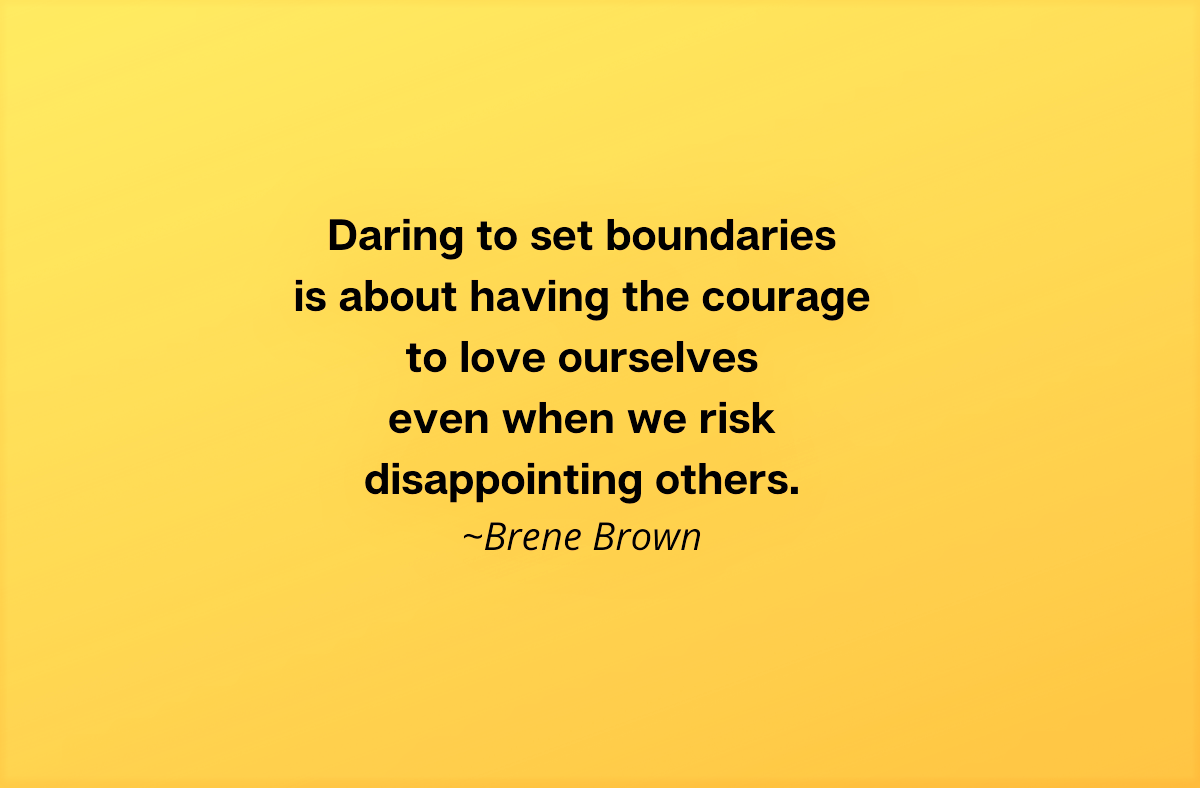
Setting boundaries to give yourself and your family space and time to do grief work as well as to conserve emotional, relational and physical energy that’s in limited supply after child loss. So many of us live with few or no boundaries-responding to every request with a “yes”, adding things to the calendar without a thought to how exhausted we might be at the end of a day or week. Some of us are overtaxed at work or school. Some of us are hyper-involved in our churches, civic organizations or local politics. There are dozens of ways to be extended and just as many ways to live with that constant drain. Child loss forced me to recognize that I could no longer BE that person. I couldn’t afford the time, energy, mental space and emotional burden of saying “yes” anymore. I learned that “NO” is a complete sentence and began using it.
Practical considerations regarding your child’s belongings and other personal property. Many people might not consider this part of grief but it is. So many details to take care of, so many times I had to repeat the words, “My son was killed in an accident. I need to close this account.” So many copies of his death certificate mailed out to different agencies or companies, documenting the awful reality that he was never coming home again. Then there are questions of what to keep, what to store, what to give away. Should a room remain untouched if your child still lived at home? We had to clean out Dominic’s apartment only a few days after his funeral. It felt like I was boxing up everything beautiful about my boy.
Learning how to do holidays, birthdays, family gatherings, vacations and other gatherings. The empty chair looms larger when all the others are filled. If you have been the primary organizer of such events, it might surprise you to find the rest of the family still expecting you to be that person. Even if you aren’t the host for holidays, you will need to communicate to others if or how you feel comfortable participating.
Maintaining or regaining health after loss. Stress is one of the greatest contributors to so many health issues. Child loss is an unbelievably stressful experience. So it’s no wonder that many parents find themselves post loss with new or aggravated health problems. I had an appointment with my rheumatologist just one month after Dominic ran ahead to Heaven. It was critical that I tell her of my loss because in addition to whatever medical interventions she was prepared to prescribe, she needed to know I would be experiencing an extended period of intense stress that might necessitate closer observation and follow-up. As difficult as it may be to talk about, it’s important to inform your healthcare providers of your loss and to be absolutely honest about changes you’ve noticed in your body as a result.
There are probably a dozen or more subcategories of grief work I could list and some of you might think of ones I wouldn’t.
Grief IS work.
It is important, necessary and exhaustingWORK.
It requires time, resources, effort and energy and cannot be hurried along.
But it is the only way a heart can begin to put the pieces back together.
I have a heart for ALL mamas-the ones who are just starting out all the way up to the ones who launched their fledglings and have an empty nest.
I especially have a heart for mamas who have had to say “good-bye” to one or more of their precious children-sending them on ahead to heaven.
I’ve never met one that didn’t wonder if she did enough, said enough, loved enough-WAS enough.
This one’s for you.
❤ Melanie
I have a love/hate relationship with social media.
On the one hand, it allows instant communication and easy sharing of special events among friends and family in ways we could only dream about when my kids were tiny. On the other hand, the perfect pictures and carefully curated lives posted for the world to see place great pressure on those of us who look around at our messy houses and messy lives.
Add to that the articles and memes passed around and you have a perfect combination to crush a mama’s spirit.
Are my children being kept safe? Are they being kept too safe? Are they in the right school, the right sport, the right music program? Should I feed them this or that? Am I doing enough?
Am I enough?
Am I a bad mama?
Can I just tell you something struggling mama? Can I give you a lifeboat in the ocean of doubt?
God chose you before the foundation of the world to be your child’s mama. He knows everything about you-past. present and future-and He chose YOU to help shape this little life into the person He created your child to be.
Yes, you make mistakes.
Yes, you are flawed.
Yes, you will do some things well and some things not so well.
But that is no surprise to God.
Look closely at the families in the Old Testament-you don’t have to get past Genesis to find dysfunction all over the place. But God isn’t limited by our limitations.His plan isn’t thwarted by our inability to follow directions.His purposes do not depend on perfect parenting.
Hallelujah! AMEN!
So buckle up and hold on-do the best you can to guide your family down the road God lays before you. You will make some bad decisions and need to do a few U-turns.
That’s OK.Lean into the One Who made you and made your children.
That little tacky plaster has soothed more fears and tears than almost any other invention in the world.
Skinned knee? Put a BandAid on it.
Bee sting? BandAid.
Tiny bump that no one can even see? Oh, sweetie, let me give you a BandAid.
Simply acknowledging pain and woundedness is so often all that is needed to encourage a heart and point it toward healing.
It’s the same in the world of emotional, psychological and spiritual wounds.
But we have yet to invent the BandAid for those.
Instead, frequently we ignore, refute, minimize and pass over the one in our midst who holds out a hand or a heart saying, “I have a boo boo.”
Believe me, I understand-so many of these wounds are incurable, they are uncomfortable to think about, hard to look at.
But often the only thing the hurting heart wants is acknowledgement, a moment of time, a face turned full into theirs, eye-to-eye and unafraid to remain alongside through the pain.
Just as a BandAid bears witness to the wound underneath, our compassionate presence can bear witness to the deeper wounds no one can see.
When we choose to lean in and love, to listen and learn, to walk with the wounded we give a great gift.
Here’s another post I shared awhile back but is worth revisiting.
Once again I find myself afraid to make plans because circumstances beyond my control (beyond ANYONE but God’s control) have reminded me that human plans are oh, so fragile.
It’s tempting to allow my heart to retreat to that awful place that felt safe after Dominic ran ahead to Heaven: Don’t plan and you won’t be disappointed.
But my Shepherd King has led me gently these past years to a place of real safety.
MY plans may fail but HIS will never be thwarted.
It took me nearly two years to hang a wall calendar again.It took that long, plus some, to add anything to it besides close family birthdays and doctor’s appointments.
I would record what I did AFTER the fact, but I just couldn’t let my heart make plans.
Because I had made plans–lots and lots of plans-before Dominic ran ahead to heaven unexpectedly and wrecked them all.
There’s another reason looking forward is hard on my heart:
No matter how wonderful the event, no matter how anticipated the birth, or wedding, or graduation, or party-there will always, always, always be one person missing.
Sometimes, I still find making firm plans difficult.
I warn friends that I may get up the “morning of” and decide that I just cannot do it. The closest ones (the only ones I really have left) totally understand and never pressure me otherwise.
As the years have passed, I’m now able to look a little bit further into the distance. I’m able to pencil in some fun things more than a week in advance.
I can look up ideas on Pinterest again-ideas for birthday gifts months away, for dinner table decorations and for craft projects to occupy the hottest parts of summer days.
I’ve even boldly formed a ministry, { http://heartacheandhope.org } and hosted retreats and meetings for a whole year!
So if you are in the early days and find thinking about tomorrow too daunting, take heart, dear one.
Twelve years later and I’ve learned to take Dominic WITHme as I walk into tomorrow after tomorrow without his physical presence.
I’m finding ways to keep him close, to have him near, to share him with others so that the vibrant man he was (and still IS-in heaven) is remembered and honored.
The fact is that tomorrow comes whether I am dragged kicking and screaming into the new day or whether I go willingly, with purpose and with grace.
Today is Dominic’s birthday. He would be thirty-six if he lived.
I find as the years roll by it becomes increasingly difficult to “age” the person I last saw into the person he might have become. Oh, I can guess-but that’s hardly worth doing since we all know life rarely follows a straight path.
And that’s what defies language and steals my breath. On milestone days especially, I’m not only mourning what I have lost but also what I will never know.
It would surprise my mama most of all that on this day I’m at a loss for words.
I regularly embarrassed her with my non-stop commentary as a child. I told stories about what I heard and saw (and what my young mind THOUGHT it heard or saw) to anyone who would listen.
But I realize now there are moments too sacred, wounds too deep, experiences too precious for words.
Either you are there and share it-or you’re not-and can’t imagine.
This is one of those times.
Dominic would be thirty-six years old today if he had lived.
He’d be over a decade out of law school, on some path toward making his mark in the world, maybe (?) married, perhaps even a dad but absolutely, positively here and part of our lives.
To be honest, I wouldn’t even care what his life looked like right now as long as it wasLIFE.
Something very few people know and even fewer would note is that on Dominic’s birth day, the doctor who delivered him had just the day before become a bereaved parent himself. His daughter left this world by her own hand.
Another C-section, Dominic was lifted up next to my face by this sweet and vulnerable man while the tears poured down my face. I was crying for HIM not for me. I was undone that he had shown up and delivered my child while his own laid lifeless wherever they had taken her.
I thought I understood then.
But I had no clue.
I understand now.
Sometimes you show up and do what you need to because it’s the only way for a heart to survive.Sometimes you walk on because standing still leaves too much time for the horror to take root and overwhelm you.
I miss Dominic.
I miss the future we would have had togetherand the family we would have been if death hadn’t invaded our reality.
I would literally give anything other than the life of one I love for Dominic to be alive right now.
But it’s not an option.
So I’ll spend his birthday thinking about what we had, lamenting what we will never have, rejoicing that his faith is made sight and I’ll cry.
Because a mama’s arms are made for holding her child, not holding his memory.
I first shared this post three years after Dominic ran ahead to Heaven.
Since that time, I’ve learned better how to carry his absence, to rejoice in life as it IS and not to always, always, always long for the past.
But there are seasons when stress, additional loss and upcoming milestones-like his birthday tomorrow-when my heart is still overwhelmed.
❤ Melanie

I will not get used to the fact that my son is beyond my reach. I have come to a certain acceptance of it as fact, and acknowledgement of the truth that I cannot change that fact.
The pain hasn’t become less painful, only more familiar. It doesn’t surprise me as often when it pricks my heart anew.
The world goes on. I am a tiny speck in the greater scheme of things and my heartache hardly merits any pause in the machinery of the cosmos.
I have learned to put on the face I need for everyday tasks and to look the part of a functioning human being. But just beneath the surface is a cauldron of emotion that can be exposed in a heartbeat.
I miss my son.
I miss the part of me that was reflected back from the mirror of Dominic.
I miss the family we used to be.
I miss the past when there could be a whole day of laughter without a single tear.
I miss the children I used to have-the ones who knew nothing about irrevocable loss and breathtaking heartache.
I know I’m indulging in selfish introspection and that I should be looking with faith-filled eyes to the glorious future God has promised through Christ.
But today I just can’t.
I won’t be guilted into trying to pretend that I don’t miss all this.
Today is a day when we honor those who gave the last full measure in service to our country and our country’s wars.
It is a day to remember and mark with solemn gratitude the sacrifice of a life poured out.
You don’t have to agree with the reasons for a war to grieve the individuals who died fighting it.
War is far from glorious. It’s ugly and dirty and awful. For those that fight it and those on whose land it is fought.
But in this world where nation invades nation and the wicked often rule it’s sometimes necessary.
Every soldier is a mother’s child. Every soldier leaves someone behind.
In war after war, families across America have been devastated by the deaths of their sons and daughters, many taken in the prime of life, at the dawn of adulthood.
Almost every family and community has a story of burying a promising young soul that was sure to make a difference but who never got that chance.
My father and my son served. My nephew is serving now.
And to all the mothers and fathers whose sons and daughters gave the last full measure for their home and country, I say:
“Thank you for your sacrifice. Thank you for the love poured into the child that became the brave man or brave woman who would put his or her life on the line for what they believed in. Your toil bore much fruit that continues to bless others today.”
You have given up what no one has the right to ask of you.
You live with both the honor of your child’s legacy and the horror of your child’s absence.
And if your child survived the battlefield but could not survive the scars of war, I am so very sorry.
I understand the pain of missing the child you love, I hear your heart and I am praying for you.
As we gather with our families and enjoy freedom purchased with the blood of sons and daughters, may we REMEMBER.
May we honor the ones who gave everything they had.
And may we remember the families left behind who can never forget.
The strongest love anyone can have is this. He will die to save his friends.
Usually I write about how child loss has impacted my life and the lives of my family.
Part of the reason I do that is to offer encouragement to other bereaved parents and guidance for people walking with and ministering to them.
Sometimes I address my writing to a broader audience that may include people who do not follow Jesus because some topics have more to do with general situations and less to do with faith-although my faith informs my life in every way.
But today I want to say something directly to the Body of Christ in the world whether or not you have personally suffered tragedy:
If we are gathering in the name of our Blessed Saviour and pushing the wounded to the fringe of our fellowships,
we have got it all wrong.
Jesus came for the broken,
the wounded,
the limping,
the very ones who were unwelcome in the “upstanding community”
of synagogues and the Temple.
He had no where to lay His head, carried no purse full of gold and walked everywhere He went.
He died between two thieves, mocked and naked, bleeding and helpless (in the human sense).
When He met people, He spoke directly to their HEART, regardless of their outward appearance.
He met REAL needs.
He LOVED in ways that made a difference.
We are called–I AM CALLED–to be like Jesus.
If I memorize the entire New Testament and miss this truth, I have missed Him.
We read I Corinthians 13 at weddings and treat it like a marriage survival guide.
But that passage wasn’t written to two young people joining lives and “in love”, it was written to the CHURCH as a guideline for how Christ in us should be present in the world.
I don’t want to be a clanging gong!
I want to sing hope to those I meet by reflecting the love of Jesus everywhere I go.
I wrote this a few years ago in response to post after post across social media of (mostly!) moms lamenting the fact their son or daughter would soon be moving away or off to college.
I get it!
When you are used to having your kid around it’s tough when he or she leaves the nest.
But there is a vast difference in having to work a little harder to stay in contact or arrange visits and never being able to speak to your child again.
It’s an adjustment to compare calendars to find a day your family can celebrate together but it’s heartbreaking to know that one chair will always be empty at every family gathering.