I first shared this post three years ago when our family was in the midst of hard circumstances and we all had frayed nerves.
This year is a different kind of hard because some of the plans we thought were coming together are falling apart. I imagine many folks probably feel the same way with the pandemic forcing changes to longstanding traditions. So I’m sharing again.
You’d think that writing something down would ink it in my brain but I forget too. I need this reminder to take a breath, take a sip of my favorite flavored whatever and savor the beauty of this season.
❤ Melanie
Here they come round the bend like a pack of dogs chasing that rabbit on a racetrack.
No way to slow them down, no way to step to the side and ward off the relentless message that Thanksgiving and Christmas are coming soon-so, so soon.
Internet ads scream, “You’ve got to buy it NOW! You’re running out of time!”
If you’ve ever been in any kind of counseling or recovery group , you have probably seen or heard this acronym and advice: HALTbefore you speak.
It’s a great reminder that I should take a moment to consider my frame of mind before I blurt out something that might damage a relationship or wound someone else’s heart.
I had never thought about it until recently, but it is also a great reminder to us who grieve that what we interpret solely as grief (which we cannot control) might be compounded greatlyby other things (some of which we can control).
So I am learning to apply the HALT acronym to a grief spiral in my own life.
When Dominic first ran ahead to Heaven, I was determined to hold onto truth with both hands. I would not allow my mind to wander the winding path of “Why?“ or “What if?” or “Where now?”
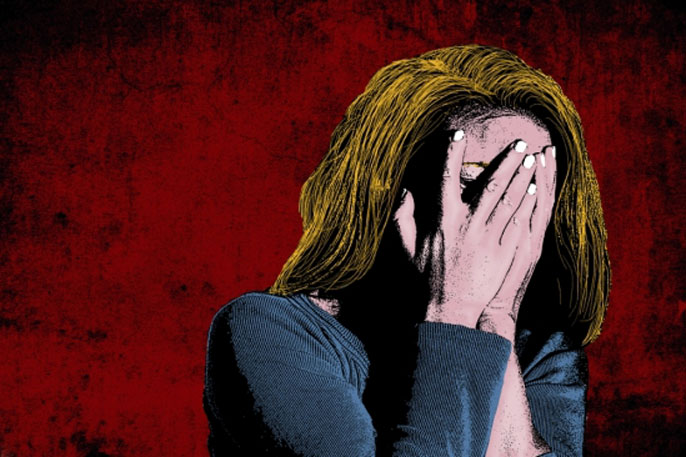
Shame is a shackle as sure as any chains forged from iron.
And it often finds its home in the hearts of those who bury a child.
Bereaved parents may feel shame for lots of reasons:
Circumstances surrounding the death of their child-suicide, alcohol, drug abuse;
Inability to provide the funeral or burial they want due to financial constraints;
Missing signs or symptoms of an illness that may have led to death;
Family dynamics that pushed a child away from home or relationship.
The list could be endless-on the other side of child loss our brains pick apart every interaction, every choice, every moment that could have gone one way but went another.
There are lots of social media memes floating around about 2020 being an interminably long series of disaster after disaster.
“If only it would end”, is the hidden hope whispered inside hearts longing for the calendar to turn from one year to the next.
“If only things would get back to normal!”
But there’s no magic in how we humans divide the days or months or years as this big blue marble travels round the sun and through the universe. It’s simply a convenient way to mark time.
And there’s no guarantee that time, by itself, rights anything. There’s no promise in the next sunrise that what’s been broken will be mended.
The rest of the world is learning what bereaved parents have known ever since the awful reality of child loss was laid at the door of their hearts: there’s no way back to “normal” once your world is violently torn from its moorings.
All you can do is assess the damage, pick up whatever pieces may still be viable and try your best to cobble them back together into usable shape.
(Photo by Giuseppe Bellini/Getty Images)
Some use the term, “new normal”, to describe a state that (most bereaved parents) eventually reach. A way of walking in the world with a profound limp, a wounded heart, a half-smile that hides tears threatening behind tightly closed eyes.
We make adjustments because we have to. The world doesn’t stop and ask permission before continuing on its merry way.
I would not wish this pandemic on a single soul.
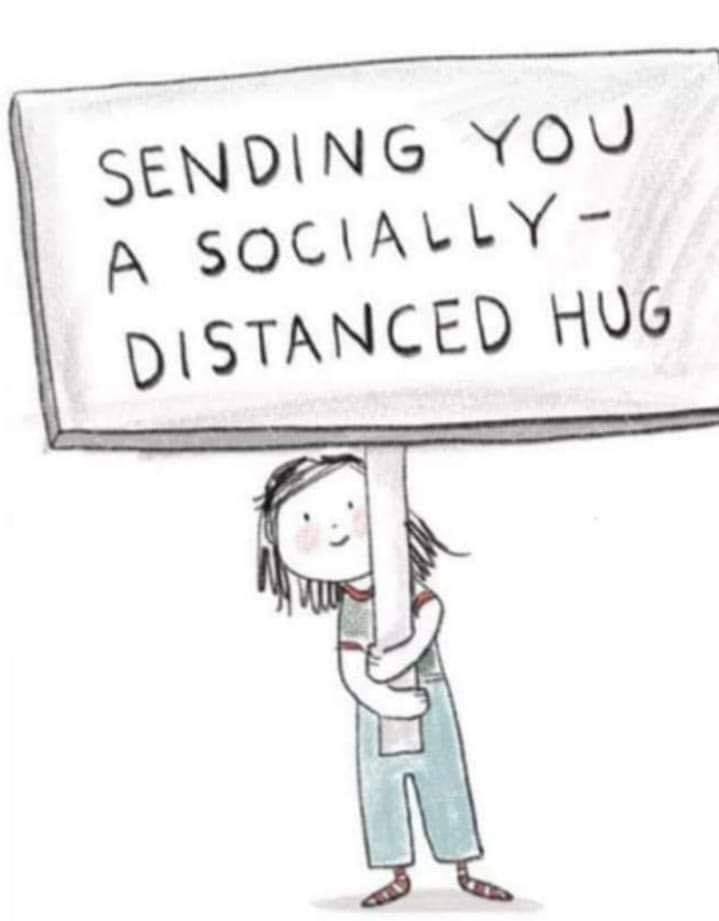
I grieve (maybe more than many) over every person lost to Covid19. I cry every time I hear of another lonely elder separated by glass from human hugs and family kisses. I am counting the cost of witnessing traumatic deaths for nurses and doctors who have to hold hands as well as treat illness because visitors are not allowed in the rooms of the dying.
We haven’t begun to assess all the ways this pandemic is changing and will change us-individually and communally.
J
But if you’re waiting for 2020 to end, for a magic vaccine or for some other relatively instant and far-reaching cure to transform current reality, I think you will be waiting a long time (if not a lifetime).
I think, that like me, you will have to work through your own feelings and fears. You will have to decide what risks you can take.
You will have to figure out who and what in life is non-negotiable and hold onto that with both hands no matter what else happens.
Bereaved parents are good at this because we have to be.
If you are looking for trailblazers through unprecedented tragedy and unfriendly territory, follow them.
We’ve reached the peak of Hallowthankmas in the stores.
I‘ve never liked smashing one holiday on top of another which seems, in my mind, to rob each of their respective unique characteristics.
I’m also particularly frustrated that Halloween-a “holiday” mocking death and focused on fear (for many)-occupies way more space in mass retailers’ aisles than Thanksgiving.
But I can no more hold back the onslaught of merchandising than I can the days marching resolutely toward end of year holidays even if I choose not to join the commercial bandwagon.
So here we are.
There are forty-four days until Thanksgiving and seventy-three days until Christmas.
It’s so easy to focus on the miles left to travel and forget how far I’ve come.
Life has a habit of reminding me that there are hills yet to climb, emotional hurdles still to come and (the ever looming threat) gray hair, wrinkles and an aging body with which to tackle them.
But every now and then I remember to take stock of just how many miles I’ve already traveled.
I pause, sometimes with pad and paper, and recount the bends, twists, devastating events and challenging circumstances I’ve already navigated (some by the skin of my teeth and ALL by the grace of God!).
Doing that helps my heart hold on to hope.
It helps me take one more step, one more breath, last one more sunrise to sunset. It’s a way of speaking courage to myself when I’m afraid I won’t be able to endure and might give up before I complete my course.
So if you are, like me on some days, feeling undone by long years stretching ahead or a particularly hard season already upon you, may I ask you to think back, to take stock, to answer a few basic questions?
Are you getting up each morning and caring for yourself and/or others?
Are you fulfilling job obligations (if you’re employed outside your home)?
Have you lost a job, changed jobs, found a job, retired or relocated?
Are you sending birthday greetings to friends, family and children or grandchildren (even if they are belated!)?
Have you celebrated important milestones with those you love (even if you cried before, during or after)?
Have you planned a wedding, baby shower, birthday party or other public event?
Do you pay your bills?
Have you resisted the urge to turn to food, alcohol, drugs or any other destructive habit or behavior in an attempt to numb your pain?
Do you take the garbage out?
Have you taken a shower recently?
Are you connected to a faith community/bereaved parent group/small group of some kind?
Are you still married or with a long term partner even though grief may have strained the relationship?
Have you or are you caring for an ailing family member?
Are you buying groceries/preparing meals/or otherwise feeding yourself and others in your household?
Do you practice self-care (exercise, journaling, prayer/meditation, rest and proper nutrition)?
Has your home life shifted significantly (empty nest, boomerang kids, elderly parents moving in)?
Do you/have you addressed health concerns and are you following recommended and prescribed treatments?
Do you maintain contact with those you care about (even with coronavirus limitations)?
Is there at least one thing you pursue that feels like a break from responsibility (reading, a hobby, pets, watching old movies…)?
Then you’ve covered miles, my friend.
You are making progress.
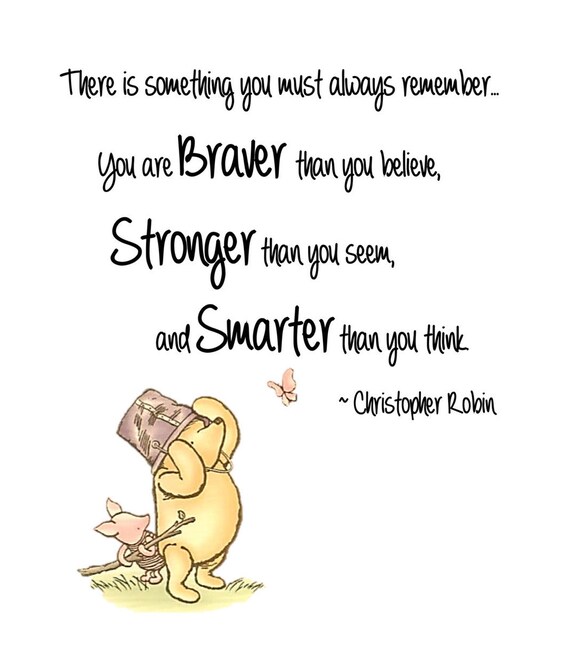
No matter how much is left to travel, you have it in you to make it! ❤
Looking back I’m shocked at how much I allowed societal norms and expectations to determine how I grieved Dominic’s death.
I withheld grace from myself that I would have gladly and freely given to another heart who just buried a child. Somehow I thought I had to soldier on in spite of the unbearable sorrow, pain, horror and worldview shattering loss I was enduring.
And the further I got from the date of his accident, the more I expected from myself.
It’s a lesson I learned decades ago and have honed over the years.
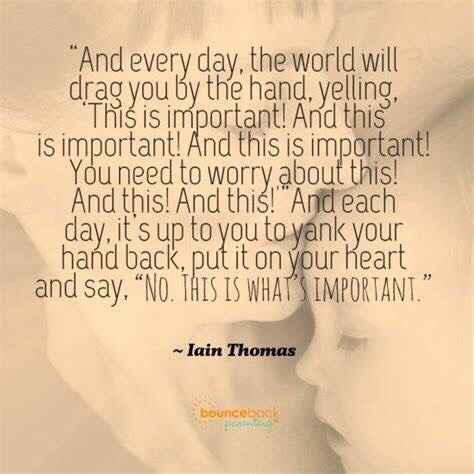
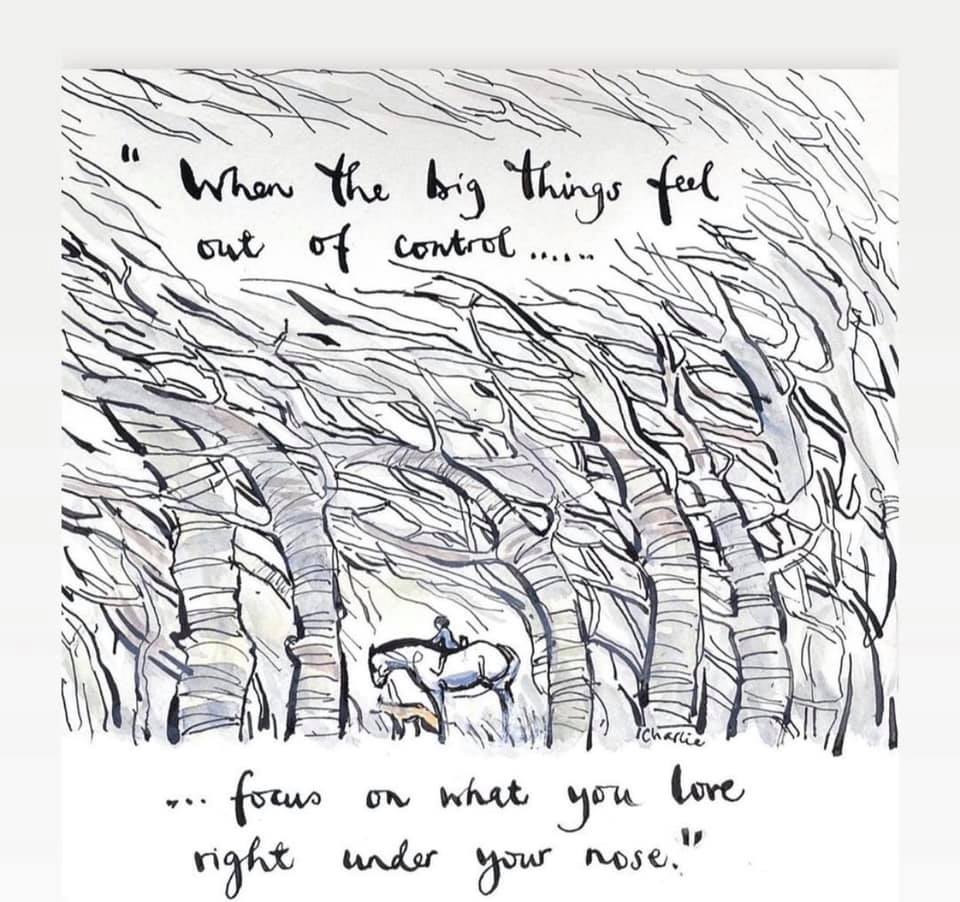
When the big things feel out of control, focus on the small ones right in front of your face.
It has served me well since Dominic ran ahead to Heaven.
Right now there are so, so many big things outside my control-not just the ones all of us are facing like the pandemic, or job loss, or trying to figure out how to navigate a world where you can’t hug your friends or even see their smiles-but many in my own family.
So I’m getting up every morning and looking for the one or two or twenty (if they are small!) things I love and can do something about.
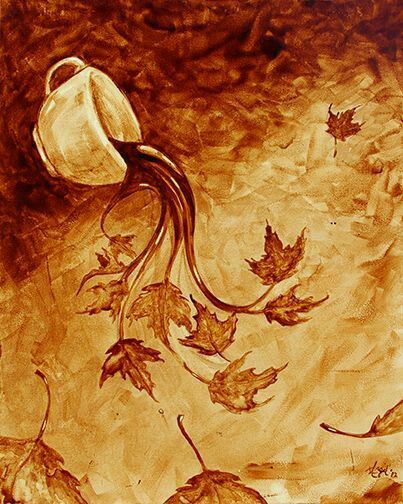
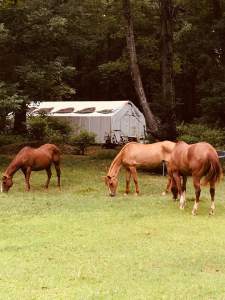
In practice (for me) it looks like this: taking a morning walk along with feeding my critters (stopping to notice butterflies, lovely flowers, falling leaves, sunlight through the trees and sticking my nose in my horses’ manes); sweeping off the front porch and tidying the kitchen so my eyes can rest happy on clear spaces (even though the rest of the house is out of order due to major reorganization/moving rooms); putting my hair up and washing my face; writing (obviously); choosing one corner to clean well and declare “finished”; taking an afternoon walk with my son’s little dog and laughing silently as her tiny legs churn away keeping up with me; smelling hay as I toss it to the donkeys; reading bits of books (my attention span still isn’t what it used to be); chatting with friends and family online or on the phone; resting after a long day’s work by watching old British mysteries with lots of interesting characters and no bloody violence; embroidering or crocheting until bedtime and sleeping with open windows.
It will undoubtedly look different for you.
And my list has taken years to develop-when Dom first left us I most often only managed a walk and maybe a little readingor journaling.
But you can begin by jotting down things that used to bring you pleasure or feed your passion.






















 thelifeididntchoose