A Mother’s Love: Wisdom from Wendell Berry


I remember the first couple times I ventured out in public after Dominic left us and the flurry of activity surrounding his funeral was over.
I felt naked, afraid and oh, so vulnerable.
The tiniest misplaced word or random glance could undo me and I burst into tears.
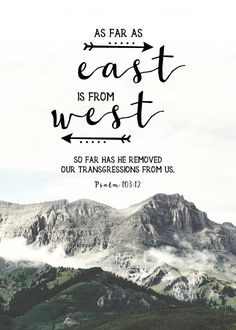
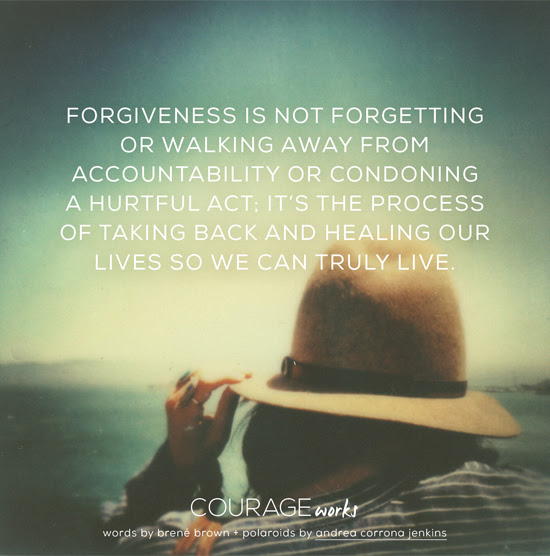
I’ve been thinking long and hard about forgiveness lately.
What is it, exactly?
If I forgive then must I also forget? If I forgive then must I also allow unfettered access into my life? If I forgive then do I have to pretend the wounds inflicted by the offense don’t still hurt?
Here’s what I have so far:

Some people are easy to forgive!
They recognize how their actions or words have wounded my heart and they ask for forgiveness.
Others are much harder!
They either choose to ignore or are unable to see that they have hurt me.
But I am called to forgive regardless because I have been forgiven.

There are lots of opportunities for offense surrounding the death of a child.
Once your heart is broken open wide with great sorrow, there’s no defense against the bumps and bruises that are a natural product of human relationship and interaction.
- Friends and family that didn’t show up.
- Friends and family that showed up but said or did the wrong thing.
- Friends and family that abandoned me as soon as the casket closed.
- People that make me feel guilty for grieving or question my sanity or my “progress”.
But I’m learning to let go of offense.
Not only because it is too heavy to carry in addition to my grief, but because the Lord has commanded it.
I grew up reciting what’s commonly called, “The Lord’s Prayer” without much thought to the individual phrases or their meaning. It wasn’t until adulthood that I read it in context and continued on to the rest of the chapter.
What I found there was chilling.
These are some of the hard words of Christ that most lay persons and many theologians prefer to gloss over.
“For if you forgive other people their failures, your Heavenly Father will also forgive you. But if you will not forgive other people, neither will your Heavenly Father forgive you your failures.”
~Jesus (Matthew 6:14-15 PHILLIPS)
WOW! The plain reading of this text tells me that if I refuse to forgive others, I place myself outside the forgiveness of my Father.
It makes sense though-if my sins were borne by Christ on the cross, then so were yours.
If His grace covers me, it covers you.
If I want to be seen through the eyes of mercy, then I must be willing to look through those same eyes at my fellow man.
At first this feels like bondage instead of freedom.
But the truth is, forgiveness is liberating.
It sets me free to operate in the fullness of who I am in Christ. It forces me to trust Him with my pain, with my sorrows, with my offenses and with balancing the scales of justice.

Forgiveness opens the path to relationship and community. It testifies to the mercy and grace of God.
It shines like a beacon of light in a dark world.
It is the power of Christ in me.
To forgive another person from the heart is an act of liberation. We set that person free from the negative bonds that exist between us. We say, “I no longer hold your offense against you” But there is more. We also free ourselves from the burden of being the “offended one.” As long as we do not forgive those who have wounded us, we carry them with us or, worse, pull them as a heavy load. The great temptation is to cling in anger to our enemies and then define ourselves as being offended and wounded by them. Forgiveness, therefore, liberates not only the other but also ourselves. It is the way to the freedom of the children of God.
~Henri Nouwen