Grief Work 2026: Self Care Strategies for Grievers

My first instinct as a mother and a shepherd is always, “How can I help?”

I routinely set aside my own needs for the needs of others.  Not because I’m so selfless but because that’s how I’m made-I’ve always had the heart of a caretaker.

That’s not a bad thing, most of the time.

But if taking care of others means NOT taking care of myself, then in the end, I’m of no use to anyone.  When I allow every bit of energy-emotional, physical, psychological and spiritual-to drain away until there’s nothing left, I am unable to meet my most basic needs, much less the needs of others.

I’ve written before that grief puts a hole in my bucket It guarantees that no matter how much is poured in, I’m never truly full.

I’ve also written about setting boundaries and trying to preserve margin as I walk this Valley.  I have to create space between me and the people around me if I’m going to make it through.

But there are some other steps I can take to help ensure my heart is strong enough for the journey.  It’s not always about what I don’t do.

Sometimes it’s about what I choose TO do.

Here are some ideas for self-care in grief (or really ANY hard place in life):

  • Be patient with yourself.  There is no time frame for grief.  Each heart is unique.  Extend grace to yourself, just as you would to a friend.  Try not to take on extra responsibilities.  It’s better to allow for some flexibility in obligations during this time (even around holidays!).
  • Listen to your body and your heart: If you need to cry, then cry. If you need to sleep, then do so. If you need to talk to someone, seek out someone who will listen. If you need to reminisce, then take the time. It is important for the grieving process that you go with the flow.
  • Lower expectations for yourself and communicate this new reality to others. You are not able to operate as you did before loss.  Your capacity for interacting with others, managing tasks and being available for the needs of others has been dramatically altered.  Own up to it, and let others know that it will be some time before you can shoulder the responsibilties you once did.
  • Let others know what you need from them.  No one is a mind reader.  While we who are bereaved think our needs are obvious, it’s simply not the case.  Communicate to family and friends how they can support you.
  • Accept the help of others. Understand that grief is hard work. It requires a great deal of energy and can be exhausting. Even though we place a high value on self-sufficiency, it is important to ask for, and accept, help from those close to you. Others careand genuinely want to be of assistance, but usually do not know what to specifically offer. In particular, it is vital to know who will listen and be supportive. Sharing your story out loud is one key to healing. And, remember that professional guidance is also available
  • If you need counseling, get it!  There is NO shame in asking for help. Get all the support you need. There are many bereavement support groups as well as counselors or spiritual advisors who specialize in bereavement counseling. Don’t hesitate to contact a medical and or mental health specialist if you have feelings of hopelessness or suicidal thoughts.
  • Accept your feelings. Feelings are neither right nor wrong, they just are. Sadness, loneliness, fear, confusion, anger—these are among the many feelings you may experience, and are completely normal. Emotions are often raw early in the grief process, but it is important to express them. Attempting to stifle feelings usually leads to an emotional outburst at an inconvenient time.
  • Face your feelings. The painful emotions associated with grief are a natural and normal response to loss. You can try and suppress them or hide from them all you want but in the end this will only prolong the grieving process. Acknowledging your pain and taking responsibility for your feelings will help you avoid the complications often associated with unresolved grief such as depression, anxiety, substance abuse, and health problems.
  • Express your feelings. The most effective way to do this is through some tangible or creative expression of your emotions such as journalling, writing a letter expressing your apologies, forgiveness and the significant emotional statements you wish you had said, or art projects celebrating the person’s life or what you lost.
  • Keep a journal.  Writing down your thoughts and feelings can help you to validate and work through your grief.
  • Feel whatever you feel. It’s okay to be angry, to yell at God, to cry or not to cry. It’s also okay to laugh, to find moments of joy, or to let go when you’re ready. Your grief is your own and no one can tell you when you should be “over it” or when to “move on.”
  • Pay attention to physical needs. It’s easy to ignore your health when all you want to do is give up and give in.  However, it is even more important NOW to take care of yourself.  Eat balanced meals (set an alarm if you have to), try to get adequate rest (get medication if you need to) and make sure to get in some physical activity every day (set a timer if necessary).
    • Get physical exercise.  If you exercised prior to your loss, try to maintain the same routine. If you did not exercise prior to your loss visit your doctor before embarking on a physical exercise routine. Physical exercise can improve the way you feel.
  • Eat right and get enough sleep.  Maintaining a healthy diet and getting proper sleep is essential for functioning as well as you can. If you are having difficulty with either, visit your doctor.
  • Be aware of short-term relievers – these can be food, alcohol/drugs, anger, exercise, TV, movies, books, isolation, sex, shopping, workaholism, etc. Most of these things are not harmful in moderation but when used to cover-up, hide or suppress our grief they get in the way of the work grief requires.
  • Take the time to do the things you need to do for yourself.  When you feel up to it, engage in activities to which you feel drawn. It could be visiting a place you haven’t been to in a while, walks in nature, reading, etc.
  • Pamper yourself. Treat yourself well. Do things for yourself that are helpful like walks, being with people who are nurturing to you, and inexpensive activities

Grief is a lifelong process-a marathon, not a sprint.  

Maintaining space to do the work grief requires and engaging in activities and health habits that help me do that work is the only way to endure.  

physical mental well being

An Uncomfortable Exchange

The other day I had an uncomfortable exchange with someone that started with a phone call and ended with a series of texts.

I’ve learned a lot about the unhelpful things folks say to grievers and at this point I can let most remarks roll off like raindrops.

When someone says, “God needed another angel” or “I know just how you feel” (and they do not share my experience) or “at least you have other children/grandchildren” I usually smile, cut the conversation short and hang up or walk away.

So when this old family friend called and asked in a chipper voice, “How are you??!!”, I told them not well since my granddaughter just went to Heaven two days ago.

That invited several platitudes.

I endured them, hoping for a quick end to a painful conversation.

Then the spouse chimed in because they could not contain themselves and felt compelled to share a bit of friend circle news with me.

When I said, firmly but politely, I could not listen to that right now, they got upset.

I genuinely try to educate people outside the grief community when I can so I sent a text explaining that (especially!) when a loss is fresh, such conversations are incredibly painful.

The person responded by telling me I was rude and they were highly offended.

In the early days after Dominic ran ahead to Heaven, I would have curled up on my bed and slept away the pain such an exchange inflicted on my wounded heart.

I’m stronger now.

And I’m not just fighting for myself, I’m fighting for my newly bereaved son and his wife.

So after giving it some time and some thought, I wrote a text.

People might consider it harsh but I will not make death easy for others. It’s not easy on the families directly impacted and it’s not my responsibility to manage the feelings of folks who are not even in the grief circle.

I gave graphic details (which I will not recount here to spare my precious readers who actually lived through things like them) regarding the brief life and difficult death of my precious Holly.

I wanted to shock them into realizing the giant gap between the imagined experience of child loss and the LIVED experience of child loss.

I concluded by saying that if “rude” was the epitome of awful in their world, I was thankful they didn’t have anything to compare it to.

I am quicker to extend grace after all these years because I know many, if not most, folks are genuinely doing the best they can.

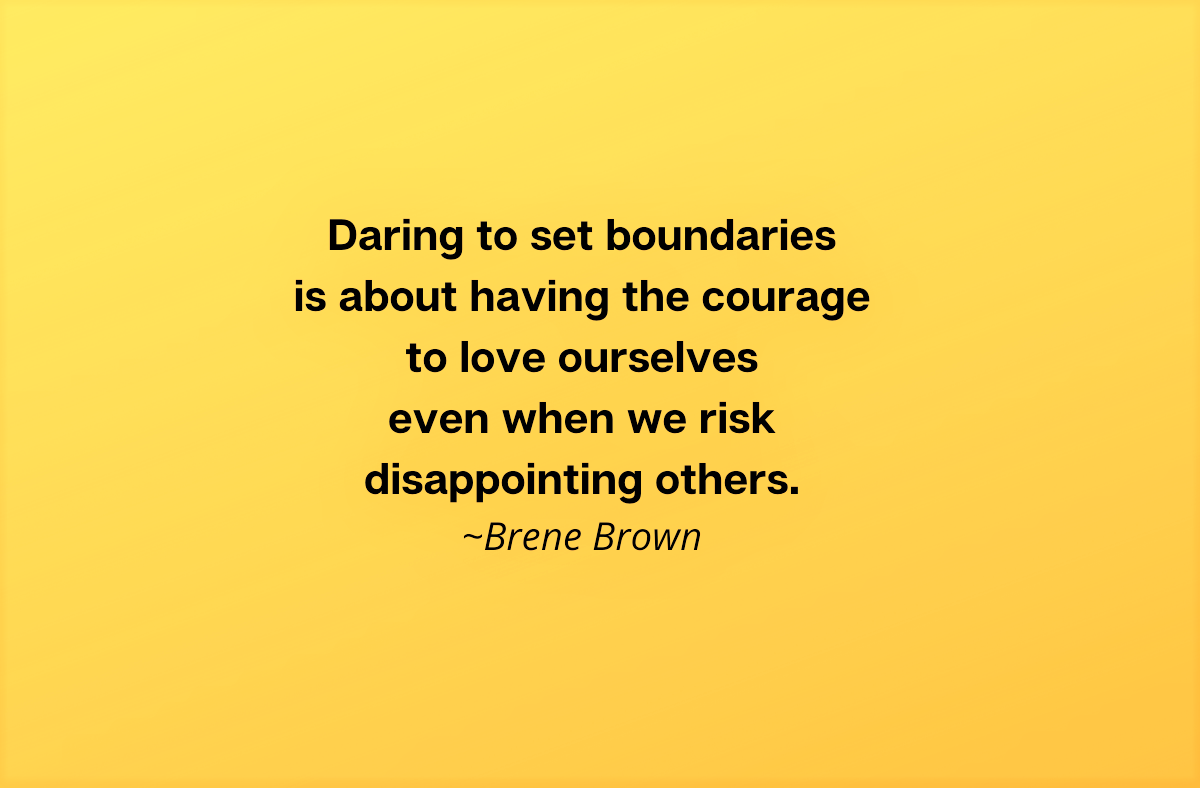
But I have boundaries.

I am not required to set myself on fire to keep others warm.

And I’m doing no one a favor by allowing someone who wields words like swords to go unchallenged.

There are still lots of times I remain quiet.

This wasn’t one of them.

Grief Work 2025: Healthy Boundaries in Grief

As a people-pleasing first born who hates conflict, giving in has always been  easy for me. It’s only later that I wish I hadn’t.  

So for most of my life, setting personal boundaries has been challenging.

But in the aftermath of child loss, healthy boundaries are no longer optionalthey are necessary for survival.  

So what are healthy boundaries?

  • Saying “no” without guilt
  • Asking for what you want or need
  • Taking care of yourself
  • Saying “yes” because you want to, not out of obligation or to please others
  • Behaving according to your own values and beliefs
  • Feeling safe to express difficult emotions and to have disagreements
  • Feeling supported to pursue your  own goals
  • Being treated as an equal
  • Taking responsibilty for your own emotions
  • Not feeling responsible for someone else’s emotions
  • Being in tune with your own feelings
  • Knowing who you are, what you believe, what you like

~sharonmartincounseling.com

What does this look like in real life?

  • Not being “guilted” into engaging in social/family/church activities before I am ready
  • Letting family and friends know when I need encouragement, companionship, solitude, help or space
  • Keeping or making doctor’s appointments and staying on top of my physical well-being by sleeping/eating/taking medication/exercising as best I can
  • Participating in what is helpful and life-giving to me when I want to and not because I feel like I have to.  
  • Giving myself space and time to figure out how losing a child impacts my beliefs, my sense of self, my understanding of the world-being honest about questions and about struggles.  If I have to take a break from church for awhile, that’s OK.
  • Expecting support from friends and family to do the work grief requires.  If some in my circle can’t do this, then I’ll put those relationships on hold until I feel stronger. I am not required to live up to other people’s standards.
  • Embracing and acknowledging my own emotions.  Not expecting someone else to “make me better”.  No one can take away the sorrow and pain of child loss.  It is excruciating.  There is no way through but THROUGH.  Face the feelings.  Get help from a counselor if necessary.  Join a support group.  Find safe friends.  But I will not be able to distract myself or ignore the heartache forever.
  • Understand that though I share the loss with others-a spouse, my surviving children, my child’s grandparents, etc-I am not responsible for how they are dealing with loss. I may offer help, may arrange counseling (especially for children), should strive toward an environment where feelings can be expressed-but I can’t work through their loss experience for them.  
  • Pay attention to my own feelings and what triggers grief attacks.  When I can, plan around the triggers.  When I can’t, accept the feelings and go with them.  If I need to leave a venue, leave.

What it doesn’t look like:  

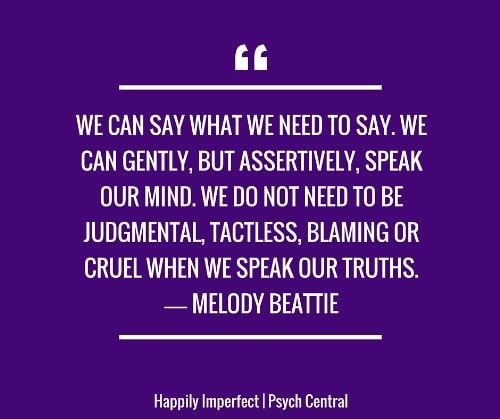
Healthy personal boundaries are not an excuse for bad behavior.  They are not to be used as blunt instruments to bully others into submission or to advance my own agenda against theirs.

My boundaries don’t give me the right to be hateful, hurtful or unkind.  They are not permission to pitch fits, make public displays or belittle others.  

say-what-we-need-to-say-gently

And they are absolutely NOT a reason to plaster hate speech across social media.  If I have a personal relationship issue then it needs to be handled personally and privately not publicly. Vague Facebook statuses that suggest I’ve been offended by half my friend list are off limits.

Establishing healthy personal boundaries is work.  

Already exhausted from grief, the last thing I want is more work.

But if I don’t defend the space and time I need to do the work grief requires I cannot make progress toward healing.

If I don’t limit my interaction with those who are unhelpful or downright hurtful, I will be dragged down further in the mire of sorrow and sadness.

If I don’t purposely pursue physical, emotional and psychological healthgrief will kill me.

Bereaved Parents Month 2025: Grace and Space

It took me a little while to realize that if I was going to survive this lifelong journey I had to make some changes in how and when I responded to requests to do something, be somewhere or participate in outside events.   

Because no matter how worthy the request, there was only so much of me to go around and I was forced to spend nearly all my energy and time and effort on figuring out how this great wound was impacting me and my family.

I cannot overemphasize how much strength and energy is needed to do the work grief requires.

Read the rest here: Grace and Space

It would be so helpful if there was an app to track stress like there is to track spending.

Wouldn’t it be marvelous to get an alert that said, “Low Balance”, for mental, physical and psychological reserves like the one you can get for your bank account right before you are heading to overdraft territory?

But there isn’t.

And few of us are very good at gauging just how much is left in our mental wellness accounts which means we often keep giving when the well is more than dry.

I’d be lying if I said I spend the same amount of time crying, lamenting and bent over in agonizing pain that I did in the early days of mourning Dominic. I’ve found a way to keep him close, to trust his soul to Jesus and to (largely) live in the present instead of always longing for the past.

There are days, though…

Some days are easy to anticipate-birthdays, holidays, the awful anniversary of his leaving-and some sneak up on me. I can often trace my overwhelming sadness to a specific trigger or memory dug up in a drawer or found in a pile of photos.

Occasionally, I have a horrible weepy day for no discernable reason.

That’s when I walk my heart back through recent events and always come to the same conclusion-I’ve let myself run dry:

  • I’ve overcommitted.
  • I’ve not planned rest.
  • I’ve had hard pain days.
  • There’s been family drama.
  • Someone I love is sick.
  • I’m sick.
  • A deadline looms large.
  • There’s some major unpredictability going on.
  • I’ve counseled too many people without enough time to regain my own emotional stores.
  • I’m not sleeping well.
  • I’m doing too much and not listening to my body.

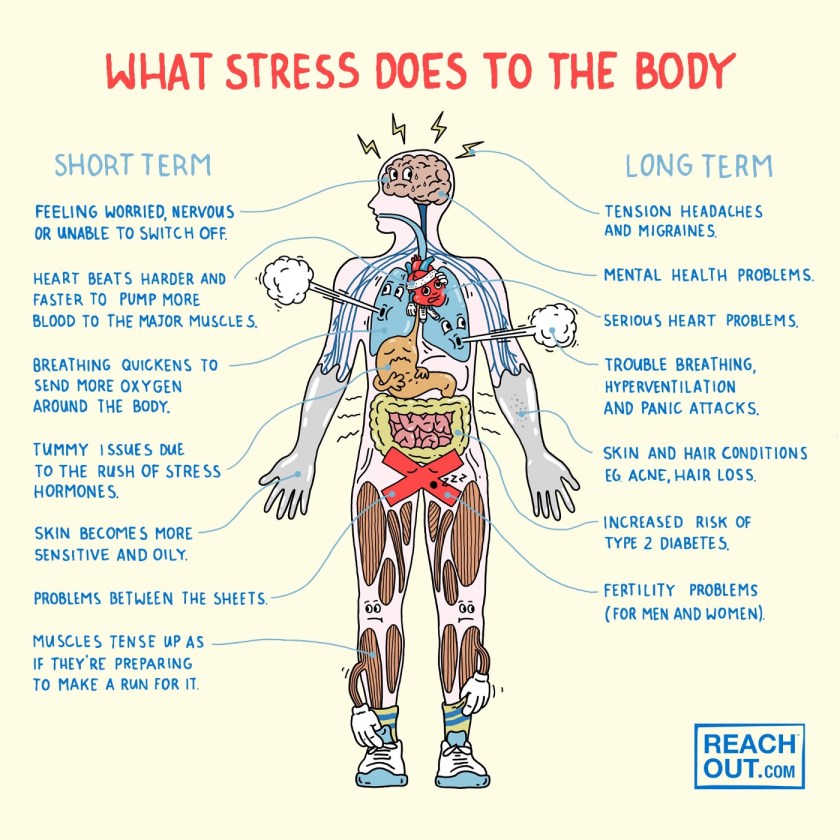
What I’ve come to understand is that stress is a HUGE impact on my grief and how I experience it.

I won’t patronize folks reading this with a simplistic (but wholly unhelpful!) suggestion to “reduce or avoid stress”.

For heaven’s sake! If we could do that with a snap of our fingers we would hardly need someone to tell us to take advantage of that solution.

Truth is, stress is often largely outside our control.

But there ARE some things I can make choices about. So I do. I look ahead at the calendar and note upcoming milestone days. I plug in doctor’s appointments, birthdays and holidays. I review every invitation to celebrations or lunch in light of what is already inked in.

I’ve learned to be honest with folks about my limitations and send a card or gift through the mail if I can’t be there in person. I sometimes suggest an alternative date and time if the one a friend offers just doesn’t work for me. I stand firm in my opinion that “no” is a complete sentence and as long as I’m kind and gracious it is not incumbent upon me to offer an explanation for why I’m turning down an invitation.

And if I have an unexpectedly hard day-from grief or activity or because of my RA-I drop back the next day to allow time to recuperate and rest (if at all possible).

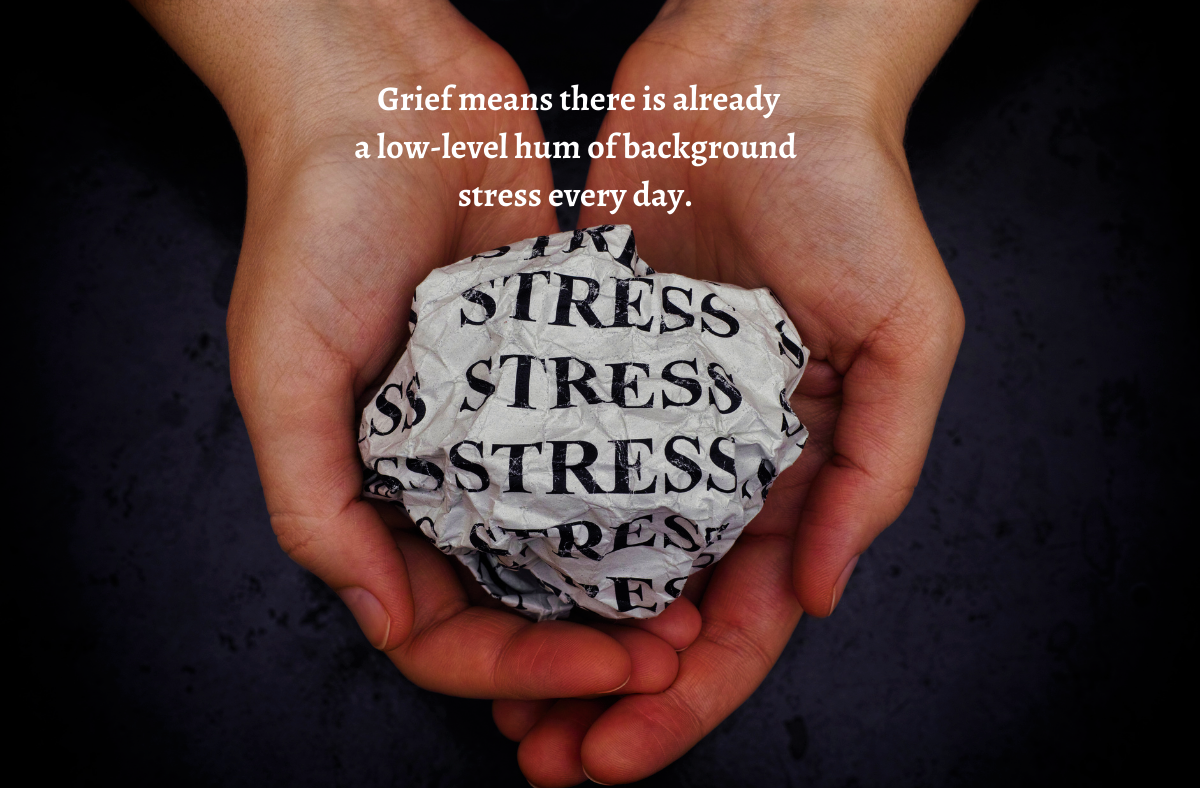
The reality is that child loss means there is ALWAYS a certain low-level hum of stress in my life.

Adding to that already higher-than-average stress means it’s easy for me to be tipped into unhealthy territory.

Crying is only the tip of the iceberg.

Health problems, heart problems, relationship issues and other long-term consequences often result.

It’s not only OK for me to set boundaries to protect my health and my heart,

It’s absolutely, positively the right thing to do.
Grief Work 2024: Healthy Boundaries in Grief

As a people-pleasing first born who hates conflict, giving in has always been  easy for me. It’s only later that I wish I hadn’t.  

So for most of my life, setting personal boundaries has been challenging.

But in the aftermath of child loss, healthy boundaries are no longer optionalthey are necessary for survival.  

So what are healthy boundaries?

Read the rest here: Healthy Boundaries in Grief

Word Of The Year 2024

It’s kind of funny that a new calendar and a new year prompt folks who’ve been perfectly content to coast through the old one to make bold declarations of change. 

I suppose it is the nature of humans to pause at the threshold and think crossing over means something more than a single footstep. 

I’m tempted to join in from time to time myself.

The thing that stops me is a fundamental understanding that no matter what prayers, proclamations or promises we lift, declare or make to ourselves or others, time has a way of unraveling them all. 

Still, when I began to see social media prompts to “pick a word” for 2024, I actually entertained it for a few seconds. 

Instead of inspirational words like “perseverance”, “joy”, “presence”, “love”, etcetera, the only word that came to my mind was “boundaries”. Which sounds kind of selfish and not all that aspirational. 

I think it probably springs from a place deep inside my soul.

A place I don’t often explore and even more rarely pay attention to. But a place I probably (definitely!) need to listen to and take seriously. 

I have joked since turning sixty that if someone wants to mess with me “they picked the wrong decade!”. 

Easier said than done. 

A lifetime of bending over backwards (the name of my imaginary yoga studio) has bent my heart, life and personality toward giving in and giving up. Child loss took so much out of me that what was a tendency BEFORE is practically a policy AFTER. 

Too often it’s too much trouble to try to explain why I need space, time, love, attention and just common courtesy. So I stuff, stuff, stuff and do whatever someone asks regardless of how much it costs in terms of time, effort or energy. 

I’m trying to learn how to say (without being snarky) I don’t think I can meet a person’s expectations. I’m trying to learn how to take up space and quit shrinking into a corner. 

I won’t lie. 

It’s hard. 

And I’ve been met with resistance. 

But this year I’m determined to make it stick.  

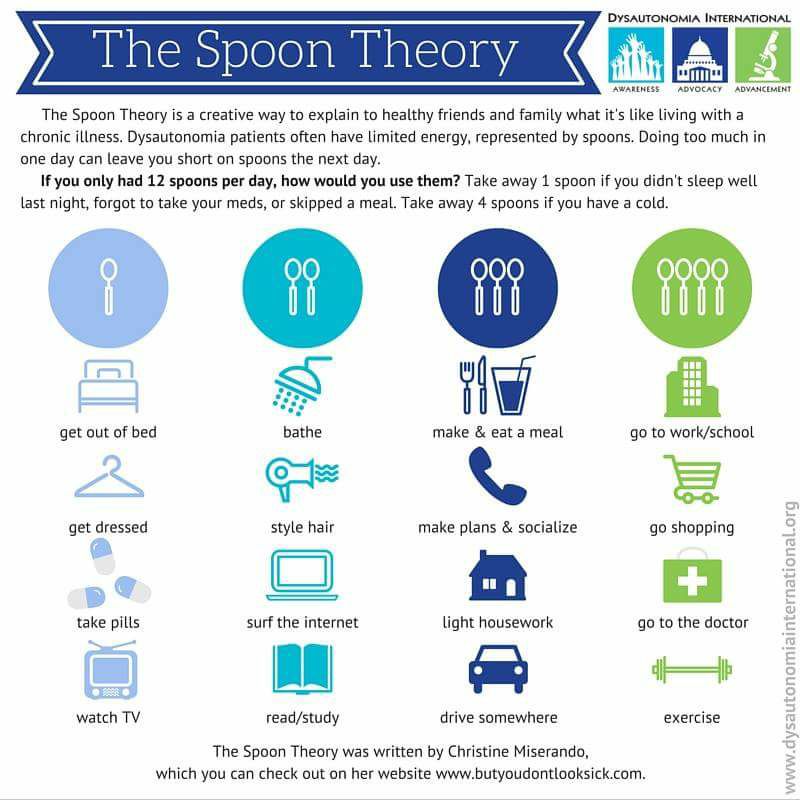
Emotional Exhaustion: Spoon Theory Applied to Child Loss

We like to think we are invincible, full of infinite energy and able to handle anything life may throw at us. It’s understandable considering Western society places a premium on heroic endurance in the face of adversity or challenge.

Truth is, though, our emotional, physical and mental energy are not infinite. We ALL have an absolute rock bottom where we simply cannot do one. more. thing.

And living with child loss means I exhaust my resources sooner than many.

I love this concrete representation of my limitations. It has helped me understand that it’s OK to say, “no” and it’s human to have to.

I hope it gives you courage to do the same. 

❤ Melanie

The basic idea is that everyone starts with a finite number of “spoons” representing the energy, attention and stamina that can be accessed for any given day. When you do something, you remove a spoon (or two or three) based on the effort required.  When you have used up all your spoons, you are operating at a deficit. 

Like a budget, you can only do that so long before you are in big trouble.

Read the rest here: Spoon Theory Applied to Bereavement

Bereaved Parents Month 2023: I STILL Need Grace and Space

It took me a little while to realize that if I was going to survive this lifelong journey I had to make some changes in how and when I responded to requests to do something, be somewhere or participate in outside events.   

Because no matter how worthy the request, there was only so much of me to go around and I was forced to spend nearly all my energy and time and effort on figuring out how this great wound was impacting me and my family.

I cannot overemphasize how much strength and energy is needed to do the work grief requires.

Read the rest here: Grace and Space

Stress Impacts Grief

It would be so helpful if there was an app to track stress like there is to track spending.

Wouldn’t it be marvelous to get an alert that said, “Low Balance”, for mental, physical and psychological reserves like the one you can get for your bank account right before you are heading to overdraft territory?

But there isn’t.

And few of us are very good at gauging just how much is left in our mental wellness accounts which means we often keep giving when the well is more than dry.

I’d be lying if I said I spend the same amount of time crying, lamenting and bent over in agonizing pain that I did in the early days of mourning Dominic. I’ve found a way to keep him close, to trust his soul to Jesus and to (largely) live in the present instead of always longing for the past.

There are days, though…

Read the rest here: How Stress Impacts Grief