It happens most often when things are very quiet or I’m trying to drift off to sleep.
My mind will rehearse the moment the doorbell rang, or the phone calls I had to make, or-worse yet-imagining what, exactly, Dominic experienced when he left the road and plowed through bushes until he was thrown from his motorcycle and died.
Once my thoughts begin to follow that track, it’s so hard to derail them.
I’m the kind of person who thinks a lot about what makes people tick.
I always assume the person in front of meis the sum of his or her experiences.
We all are, really.
No one wakes up one day and just “is”. We become, over time, as our innate nature interacts with the world around us. First our parents and siblings influence us and then school, friends, life experience either gently molds us or pounds us into shape.
Often we get so used to our own way of doing and being we never give it much thought. It’s just “how we are”. We work around our faults and try to use our strengths to our advantage.
Most of us are pretty good at it.
Then something earth shattering comes along and suddenly the cracks are exposed and we haven’t the energy to cover them over.
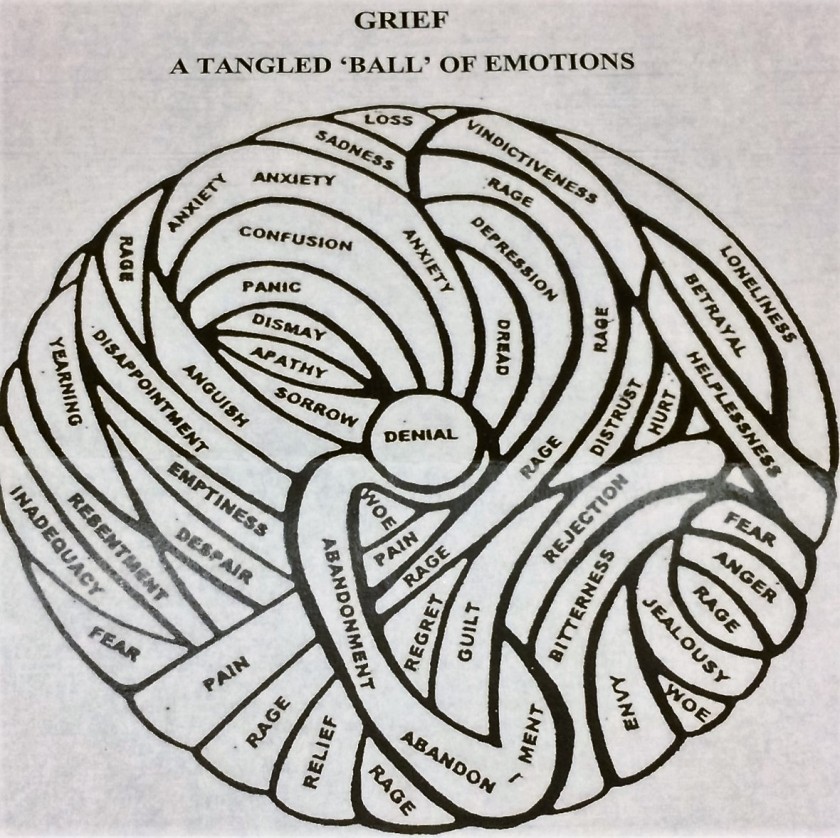
Grieving hearts can be overwhelmed by all the seemingly unrelated issues that crop up after child loss. They lament that the pain and sorrow they bear missing their child is more than enough of a burden. Why, oh why are all these other things demanding attention at the same time?
How we grieve is informed by so manythings!
Not only by our relationship with the one we miss but also our relationship withprevious losses, ourselves and others.
Here are some often overlooked things that affect our grief:
Relationship with the one we miss. I think most of us realize this intuitively but we might be afraid to look deeper than the most recent memories and feelings. Dominic was almost 24 when he was killed in a single-vehicle motorcycle accident. At first my reaction to his death was mostly about losing him as a young adult. Over time I mourned losing him as a younger middle child who came along when I wasn’t taking as many photos of babies and toddlers (I have far fewer of him than his older siblings!). I mourned not making as much of his high school graduation and being not long out of major surgery for his college graduation. I mourned not making videos of his amazing drum playing because, you know, there’s always next time. My relationship with Dominic was complicated as all relationships are. I’m still discovering sore spots, having to think about, feel them and forgive myself or him for that specific pain. It takes time and willingness to explore my heart even when it hurts.
Relationship to previous losses. We’ve all suffered loss in our lifetimes. It might not have been due to death, but something or someone was taken from us, left us or is missing. And we’ve observed how others in our family have dealt (or not dealt) with loss. How we processed previous loss-what we learned or didn’t learn-in the course of living through it impacts how we approach child loss. I suffered numerous smaller losses before Dominic ran ahead to Heaven. One of the most profound was the decade prior to his leaving when my health declined in ways I could neither control nor anticipate. Over and over I was forced to accept that no matter how hard I tried, I couldn’t MAKE something happen (or not happen). I had already surrendered, for the most part, to the worldview that I was not in control. It didn’t stop my heart from crying out nor stop my mind from trying to find a reason for this awful tragedy, but it helped me get past the initial disbelief that it could happen at all.
Relationship to ourselves. Some of us are masters of ignoring inner voices and prodding. Some folks never have a conversation with themselves, question their own motives or examine their own behavior. They walk through life and experience it moment by moment, day by day without looking too far ahead or looking over their shoulder at what they might leave in their wake. I’d love to have a day like that. Because I’m precisely the opposite. I will replay a conversation a dozen times trying to figure out where it went wrong or what I could have said differently. I am never free of a long list of self-imposed “Do’s and Don’t’s”. Even while grieving, I had expectations regarding what was allowed and what was out of bounds. It took time for me to give my heart permission to do whatever was necessary as long as it didn’t harm me or others. The less introspective may need help setting boundaries around their words and behavior so they don’t damage other hearts and relationships in unbridled grief.
Relationship to others. One of the most shocking realizations in child loss is that although others are in your immediate grief circle (spouse, other children, grandparents) no one has precisely the same relationship with the missing child. And every relationship within a family is impacted by the space left behind. Families are reshaped as much by the subtraction of a member as by the addition of a new baby or spouse. It changes everything. So even in this intimate setting, misunderstandings happen. Each person is working through their own grief. As they do, they will change. And the cycle begins anew. The husband I knew and the children I knew BEFORE Dom left have been reshaped as much by this experience as I have. I tend to want to relate to the people they were before and not to the people they are NOW. The gap between the two can be difficult to navigate. We continue to learn to live together in our new reality-changing and (hopefully) growing together. We talk more about important things, hide less behind false fronts and work harder at keeping short accounts.
Child loss shook me to the core.
It rattled every loose thought and feeling so hard they fell out and I was forced to deal with them. It ripped away any facade I’d managed to construct around poor coping techniques and suddenly I had to find new ones. Excuses that served to kick relationship problems down the road weren’t enough anymore.
I first shared this post four years ago after a group of bereaved parents and I were talking about how things that used to be simple and straightforward simply weren’t anymore.
Things like the question, “How many kids do you have?”
Things like going to a movie or picking a place to eat out.
So. Many. Things.
Honestly, I thought it’d be less of a minefield by now-I mean it’s been six years already! And while there ARE some things that I find easier, most of the things I talk about in this post are still hard.
❤
One of the things I’ve been forced to embrace in the wake of child loss is that there are very few questions, experiences or feelings that are simple anymore.
“How many children do you have?”
A common, get-to-know-you question lobbed across tables, down pews and in the check-out line at the grocery store. But for many bereaved parents, it can be a complex question that gets a different answer depending on who is asking and where we are.
For just over six years I’ve been waiting to see my son again. Waiting for this ache in my heart to be healed. Waiting for a sunrise that brings only joy and no reminder of sorrow.
So I’ve figured out some ways to fill these waiting days. I’ve developed habits and routines to make them count for something other than empty hours ticked off on a clock face.
The pandemic has thrust many other hearts into an unwelcome season of waiting.
Here are some good habits (most of which I’ve employed daily for years!) that make the waiting a little easier and healthier:
Get Dressed. Sure it’s fun to hang out in pajama pants when you know the only meetings you might have are online and no one can tell what you’re wearing. But getting dressed signals your brain the day has begun and creates a dividing line between night and day. Trust me, it makes a big difference!
Eat Well. Don’t allow yourself to graze all day on snack foods. Make or order real meals. It’s easy to overeat when grazing which will ultimately make you feel too full, bloated and uncomfortable. Fill a plate (even if it’s a paper plate!), sit at the table or a TV tray and finish your breakfast, lunch or dinner then put the food away. Daily rituals help a heart hold on and crafting them around meals is simple and satisfying.
Do something creative. It can be rearranging pictures on the wall, placing photos in an album (something you might have wanted to do for a long time), coloring, completing a craft project, sewing fabric masks, or dragging out a puzzle you’ve had in the closet. Anything that helps you think outside the box is wonderful.
Stay connected with friends and family. I know it’s not the same. FaceTime, Facebook, Instagram and whatever other social media apps may be trending right now are no substitute for face-to-face meetings and warm, in-person hugs. But they are the best we can do right now. And they are absolutely, positively better than nothing! Take advantage of all the ways you can reach out to those you love. Share funny stories or memes. Let your loved ones know how your day is going.
Do your hair and makeup. Well, I might not be the best person to recommend this particular practice since I don’t wear makeup unless it’s a very special occasion. BUT–if you wear makeup on a regular basis, do the minimum. It’s another way of helping your brain and psyche draw a line between day and night, work and relaxation. Doing your hair might just be putting it in a ponytail or clip but get it out of your face. At least run a comb or brush through it.
Get some fresh air. There is NO substitute for outdoor air. Too much time cooped up indoors makes even the most sane person a little crazy. Walk, ride a bike, run, skip or hop your way around the block or in the park. If moving is too hard on your joints or your balance or your heart, then sit outside in the sun and breathe deeply. It’s a wonderful way to reset your mental attitude and get some Vitamin D.
Unplug devices and walk away from the screens! Too often we are stuck in echo chambers that reflect back fear and mistrust of the “other side”. Social media algorithms feed us what they think we want to see. The 24/7 news cycle thrives on half-truth headlines that encourage viewers to tune in for the “rest of the story”. It is possible to learn everything you NEED to know in about five minutes online. Leave the rest for those that enjoy drama, intrigue and worrying about every little thing.
Reach out. If you feel yourself falling down a black hole into the pit of despair, tell someone.It’s scary to risk rejection or judgement. But I think you will be surprised to find that most of the time you will be met with grace and compassion.
I remember the first summer after Dominic ran ahead to Heaven.
The days stretched interminably before me. I woke with a sigh and not a few tears as I realized I had to wait out another cycle of the sun before sleep (if it came!) would grant respite from the memories, the feelings, the ache in my heart.
Sometimes it was nearly unbearable.
But then I had a moment when I realized no day lasts forever. No matter how hard, no matter how long it seemed, it would end.
Even the worst day of my life only lasted twenty-four hours.
I had survived THAT day. I could survive any day.
❤
I don’t know just when I figured it out, but somewhere in this Valley it dawned on me-NO day lasts forever.
Many feel like they do.
The day I got the news stretched impossibly long in front of me as calls were made and people came to be wtih us.
Dependable routine is one of my most important coping mechanisms.
I like slipping from one familiar chore to the next without thinking.
It keeps my mind busy in an effortless way that leaves little room for random thoughts, little space for grief-inducing memories to sneak in and trip me up.
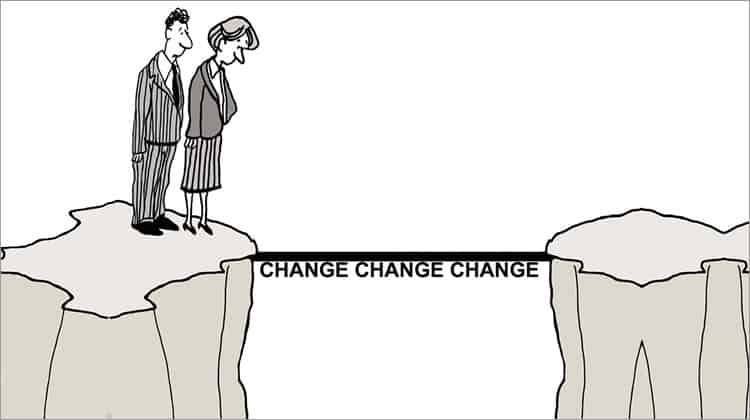
Change is really not my friend.
Still, change is upon me (and millions of others!) because of this virus. So I’m doing the best I can to cope.
Instead of a house to myself, now my husband is working from home. Instead of quiet mornings alone, conference calls echo off the walls and follow me out open windows to the yard. Instead of before dark breakfast and early lunch with the kitchen closed by noon, I eat early, he eats later, I eat lunch and he eats supper. Kitchen open til eight.
None of those are things I can’t get used to.
After all, I’m blessed he’s here, has a job and we have not only enough to eat but a wide variety . I like cooking and love finding creative uses for leftovers.
What no one but me knows about all the change is this: I’m walking places I tend not to go-in the house, in the yard, down our paths-and every place I set my foot holds memories I’ve been avoiding.
When we moved an old pen a couple weeks ago for new chickens we found a rusty chain attached to its base. While my husband and son were digging it out to use again I was transported to the day Dominic moved the pen years ago with the tractor. It was just me and him and he was a little perturbed with me that I needed it moved. I saw him in my mind’s eye plain as day on the tractor. I could hear his baritone voice above the trusty thrum of the engine and picture him hopping down from the seat, unhooking the chain and driving off to park the tractor.
It was a flash. Here and gone in an instant. But the rest of the day I suffered from a grief hangover that I just couldn’t shake.
These are challenging days.
So much of the routine I depend on to guide me through has been shredded. So many of the habits I’ve developed over years are unavailable right now.
I was talking to my dad the other morning as I do every morning.
We catch one another up on personal news and then turn to the world at large.
After another day of dismal and disconcerting headlines I asked my retired fighter pilot/flight instructor/still flying/recently bereaved dad, “So, how are you REALLY doing?”
He replied, “I’m flying the plane.”
He told me the first rule of flying was: NO MATTER WHAT– never, never, never stop flying the plane.
Papa’s been flying for over 50 years!
Even if the only thing you can do is fly it into a crash.
Focus on the essentials.
Don’t be distracted by incidentals.
Save all your energy for the things you CANdo something about and ignore the things you can’t control.
As he was talking I realized that somewhere in my 56 years he had taught me this lesson well although he’d never taught me to fly.
So that’s what we are doing.
It’s what we’re all doing.
We are taking care of the things we can and trying hard to not waste any energy on things we can’t. We’re checking on one another, encouraging one another, making sure each one is getting proper nutrition and rest and refusing to sweat the small stuff.
I can’t see my ICU nurse daughter because she’s possibly been exposed to the virus and I am immunosuppressed.
So I dug through my stash and sent her and the foster kids she helps her best friend parent a box brimming full of random craft supplies to stave off boredom.
It’s not much but it’s something I CAN do.
I’m walking every day and keeping my cardiovascular system as fit as possible.
I’m writing and posting on several public Facebook pages I maintain. One is dedicated to bereaved parents, another to general spiritual encouragement and a third to educational resources for parents who suddenly find themselves having to teach their children at home when they were used to sending them off to school.
I have cleaned out a few random corners that should have been cleaned months (let’s be honest-years!) ago. And I’m checking in on friends and neighbors.
My public health officer son is running crazy so I don’t bombard him with texts or messages but I try to shoot him at least one encouraging word every day. He calls when he can and just last evening treated us to a FaceTime session with our little Captain.
Seeking joy wherever we can find it is part of our daily routine. And nothing says “JOY!” like this happy smile.
My husband is working from home (THAT’S an adjustment for this women who loves her quiet time!) so I fixed him up a work station and make sure I don’t interrupt his conference call by hollering something from the kitchen (or vacuuming under his feet). He’s making some adjustments to my preference for light-hearted viewing in the evenings and saving his heavier, action-packed choices for after I go to bed.
Kind of a trial run for his retirement.
NOT my house, but yes, I’ve vacuumed around him more than once 🙂
The son that lives close by has become our errand runner and grocery store shopper.
He picks up what we need, being extra careful to clean his hands and clothes before bringing it into the house. He shopped for our elderly neighbor as well. He’s doing his part to maintain a buffer between those of us who may be more susceptible and the virus.
Flying the plane means we are keeping our wits about us, doing the important and necessary things.
But it also means we are finding moments to take a breath, enjoy a laugh, watch a sunset, go for a walk, listen to the birds sing, play with the dog or cats, share a funny meme, and eat meals together.
We can’t control the world but we can control our reaction to what it tosses our way.
We can’t guarantee our safety but we can choose to do things that enhance it.
A mom who is also coming up on her season of sorrow this spring wrote that she felt like screaming and throwing things.
I get it.
And because I live in the middle of the woods, far from neighbors or nosy passers-by, I’ve done it.
Sometimes I walk in the woods and just holler out my questions, my pain, my indignation that this is my life.
Other times I cry as loud as I want to, not trying to hold in the sobs.
When I’m really angry that it will soon be seven years since Dominic has crossed the threshold of home, I take old eggs and toss them at trees. I work myself to a frazzle stacking sticks to burn. I use my clippers and chop away at underbrush, releasing pent up feelings with every satisfying snap of a twig.
The longer it is since his leaving, the more I feel I need to have it together in public. Others have long moved on and my tears are inexplicable to those who have forgotten.
And while I have gotten stronger and better able to carry this load called “child loss” this time of year makes it all fresh again.
The pressure builds with no place to go.
It’s going to force its way through the weakest part of my character if I don’t release it on purpose.
So I do.
If you need me, I’ll be outside for the next few weeks.
I have used the term for years and only recently has someone asked me to define it.
I guess I never realized that in all the writing about it, I’d never really explained what it meant.
So here goes.
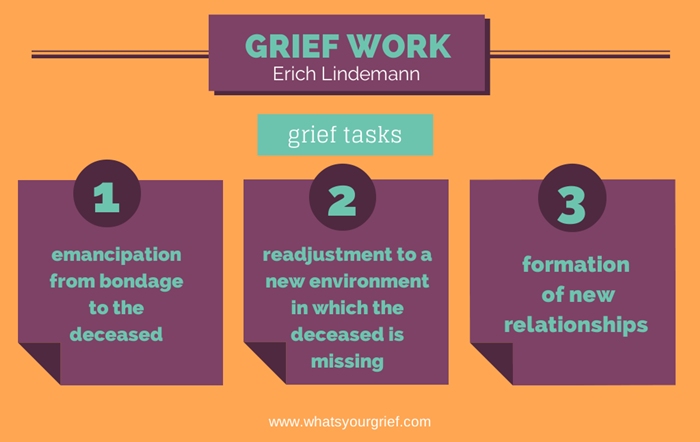
The term was coined by psychiatrist Erich Lindemann in the 1940s. He worked with survivors of the Cocoanut Grove tragedy and observed that grievers experienced common symptoms, feelings and faced similar challenges. Through his work, he developed a theory of grief incorporating his observations and his technique for walking grievers through these common issues.
Today the term has been expanded and is used widely to describe almost any approach to grief that includes specific techniques for helping someone walk the path of loss.
I use “grief work” to mean all the ways I (and others) must actively seek to identify, face, process, and ultimately incorporate the feelings, trauma and changes loss force upon us.
Grief work (in no particular order) can include but is not limited to:
Attending sessions with a professional, spiritual or lay counselor. Some people find it helpful to have a safe person outside the immediate grief circle to discuss feelings, concerns and relationship challenges that are generated by loss or exacerbated by loss. It’s best to find a counselor who specializes in grief, preferably child loss and/or traumatic loss (all child loss can be classed as traumatic loss). Other counselors may be too quick to label a bereaved parent’s grief as “abnormal” or “too lengthy” or “complicated” when it is, in fact, closely following observed timelines for dealing with child loss. If the first counselor you find isn’t a fit, try another. It’s OK to insist that you are heard, your feelings respected and your loss recognized for the life-shattering event that it is.
Finding, joining and participating in online or in person support groups. There are literally dozens of online support groups for bereaved parents. Some are designed to meet the needs surrounding specific types of loss such as sudden death, suicide, drug overdoses or loss to cancer or another disease or condition. Some are organized around certain faiths. Others may be rooted in geographic proximity and the online group might have a monthly or quarterly face-to-face meeting in the area. While it can sometimes be overwhelming to see the number of parents in such a group, it’s also extremely helpful to have a safe space to share things only another bereaved parent can understand.
Setting aside quiet time to think, process and possibly journal feelings. So much grief work must be done alone. Counselors can equip me with tools, support groups can give me real-life examples and encouragement but only I can do the nitty-gritty labor of teasing apart all the feelings and change grief brings with it. Journaling has been very helpful for me in putting words to what can sometimes be rather nebulous thoughts swirling around in my head. When I name what I’m feeling or experiencing, I can better construct a strategy for processing and living with it.
Walking back through memories, noting regrets, forgiving yourself and making peace with the past. We ALL have things we would have done differently. Death, being final, forces a heart to face that there is no chance to atone for past behavior. Words unsaid, things undone, opportunities missed are carved in the stone of yesterday. I spent many nights recounting my shortcomings as a mother, berating myself for what I didn’t do. Eventually I was able to rest on the simple fact that one thing I DID do was make sure Dominic knew he was loved.
Setting boundaries to give yourself and your family space and time to do grief work as well as to conserve emotional, relational and physical energy that’s in limited supply after child loss. So many of us live with few or no boundaries-responding to every request with a “yes”, adding things to the calendar without a thought to how exhausted we might be at the end of a day or week. Some of us are overtaxed at work or school. Some of us are hyper-involved in our churches, civic organizations or local politics. There are dozens of ways to be extended and just as many ways to live with that constant drain. Child loss forced me to recognize that I could no longer BE that person. I couldn’t afford the time, energy, mental space and emotional burden of saying “yes” anymore. I learned that “NO” is a complete sentence and began using it.
Practical considerations regarding your child’s belongings and other personal property. Many people might not consider this part of grief but it is. So many details to take care of, so many times I had to repeat the words, “My son was killed in an accident. I need to close this account.” So many copies of his death certificate mailed out to different agencies or companies, documenting the awful reality that he was never coming home again. Then there are questions of what to keep, what to store, what to give away. Should a room remain untouched if your child still lived at home? We had to clean out Dominic’s apartment only a few days after his funeral. It felt like I was boxing up everything beautiful about my boy.
Learning how to do holidays, birthdays, family gatherings, vacations and other gatherings. The empty chair looms larger when all the others are filled. If you have been the primary organizer of such events, it might surprise you to find the rest of the family still expecting you to be that person. Even if you aren’t the host for holidays, you will need to communicate to others if or how you feel comfortable participating.
Maintaining or regaining health after loss. Stress is one of the greatest contributors to so many health issues. Child loss is an unbelievably stressful experience. So it’s no wonder that many parents find themselves post loss with new or aggravated health problems. I had an appointment with my rheumatologist just one month after Dominic ran ahead to Heaven. It was critical that I tell her of my loss because in addition to whatever medical interventions she was prepared to prescribe, she needed to know I would be experiencing an extended period of intense stress that might necessitate closer observation and follow-up. As difficult as it may be to talk about, it’s important to inform your healthcare providers of your loss and to be absolutely honest about changes you’ve noticed in your body as a result.
There are probably a dozen or more subcategories of grief work I could list and some of you might think of ones I wouldn’t.
Grief IS work.
It is important, necessary and exhaustingWORK.
It requires time, resources, effort and energy and cannot be hurried along.
But it is the only way a heart can begin to put the pieces back together.
One of the commitments I made out loud and in my heart the day Dominic left us was this: I was not going to let his death tear my family apart.
I was not going to let him become the sainted brother that stood apart and above his siblings.
I was going to continue to give as much of my time, effort, love and presence to each of the three I had left as I had done when there were four on earth beside me.
I’ve been more or less successful in keeping this promise.


























 thelifeididntchoose