How to Transition from “Good-bye” to Grief

A funeral or memorial service seems like a final chapter.  We close the coffin, close the doors and everyone goes home.

But for bereaved parents and their surviving children, it’s not an end, it is a beginning.

Much like a wedding or birth serves as the threshold to a new way of life, a new commitment, a new understanding of who you are, burying a child does the same.

Read the rest here: Loving Well: Transitioning From “Good-bye” to Grief

There Ought to Be a T-Shirt

I think there ought to be a t-shirt, pin or banner that gives some kind of warning for those of us walking around with broken hearts and broken lives.

But there isn’t.

Except for the first shell-shocked days immediately following Dominic’s death, I look pretty much the same as I always have.

Most of us do.

Read the rest here: Broken Legs, Broken Hearts, Broken Lives

It is Perfectly OK to Mourn *Smaller* Losses

When your scale of awful is off the charts, there’s a tendency to dismiss anything less as merely inconvenient or inconsequential.

But that’s just not how our hearts work.

You can be shattered by child loss and still feel the slings and arrows of everyday losses, disappointments, discomfort and sadness.

It’s OK to mourn the things that don’t measure up to the pain and despair of burying a child.

Read the rest here: You Are Absolutely Allowed To Mourn *Smaller* Losses

A Thousand Pieces

We buried the earthly remains of my son seven years ago today.

I still have no idea how I walked away from that deep pit where his body would be lowered never to see daylight again.

But I did.

Western society doesn’t like to acknowledge the horror of death. We don’t like to be too dramatic, cry too loudly, wail and weep throwing our bodies over a casket.

But maybe we should.

Why can’t we have a dramatic outburst at the edge of death that burns an unforgettable image in the hearts and minds of those who join us to say good-bye?

Read the rest here: Fragments

Transitioning From “Good-bye” to Grief

A funeral or memorial service seems like a final chapter.  We close the coffin, close the doors and everyone goes home.

But for bereaved parents and their surviving children, it’s not an end, it is a beginning.

Much like a wedding or birth serves as the threshold to a new way of life, a new commitment, a new understanding of who you are, burying a child does the same.

Read the rest here: Loving Well: Transitioning From “Good-bye” to Grief

Thanksgiving: Ten Ways to Love a Mourning Heart

We are all on a journey through life and each carry some sort of load.  Mine is child loss.  Yours may be something else.

We can help one another if we try.  

Love and grace grease the wheels and make the load lighter.  

Here are ten ways to love a mourning heart at Thanksgiving:

Read the rest here: Ten Ways to Love a Mourning Heart at Thanksgiving

You Are Absolutely Allowed To Mourn *Smaller* Losses

When your scale of awful is off the charts, there’s a tendency to dismiss anything less as merely inconvenient or inconsequential.

But that’s just not how our hearts work.

You can be shattered by child loss and still feel the slings and arrows of everyday losses, disappointments, discomfort and sadness.

It’s OK to mourn the things that don’t measure up to the pain and despair of burying a child.

It’s OK to admit that even ordinary things like an empty nest, changing circumstances, moving away from friends and family, ill health, family drama and dozens of other, smaller wounds prick your heart and make it bleed.

While child loss has helped me gain perspective on what’s truly important, irreplaceable and worth my time and energy, it has not created a protective and impenetrable barrier that guards my heart from further pain.

I am just as likely as anyone else to fall into a funk over a misunderstanding, a less-than-expected outcome, a disappointing phone call with a friend or some other everyday frustration. And, sometimes, there are truly hard and horrible things I’ve had to bear: my mother’s prolonged illness and death, my grandson’s premature birth, my son’s overseas deployment and other things I’m not at liberty to share because I’m not the main character in the story.

Child loss doesn’t mean there won’t be more pain in this life.

It doesn’t give me a pass on heartache.

And it is perfectly normal-actually perfectly and absolutely right-to be sad and mourn the smaller losses in life.

It means my heart’s still beating.

It means I’m still engaged with those around me.

It means I’m still present and invested in life.

And that’s a good thing.

Child Loss: Mourning The Family I Thought I Would Have


I miss a lot of things since Dominic ran ahead to Heaven.  

I miss HIM-his deep voice, his perspective and his thump-thump-thumping down the stairs and the rhythm of who he is.

And I miss how his absence has reshaped the family I thought I’d have.  

Read the rest here: Child Loss: Missing The Family I Thought I’d Have

Anything Human Is Mentionable

We wall off our world with words.

The ones we speak and the ones we swallow down so they don’t escape our lips.

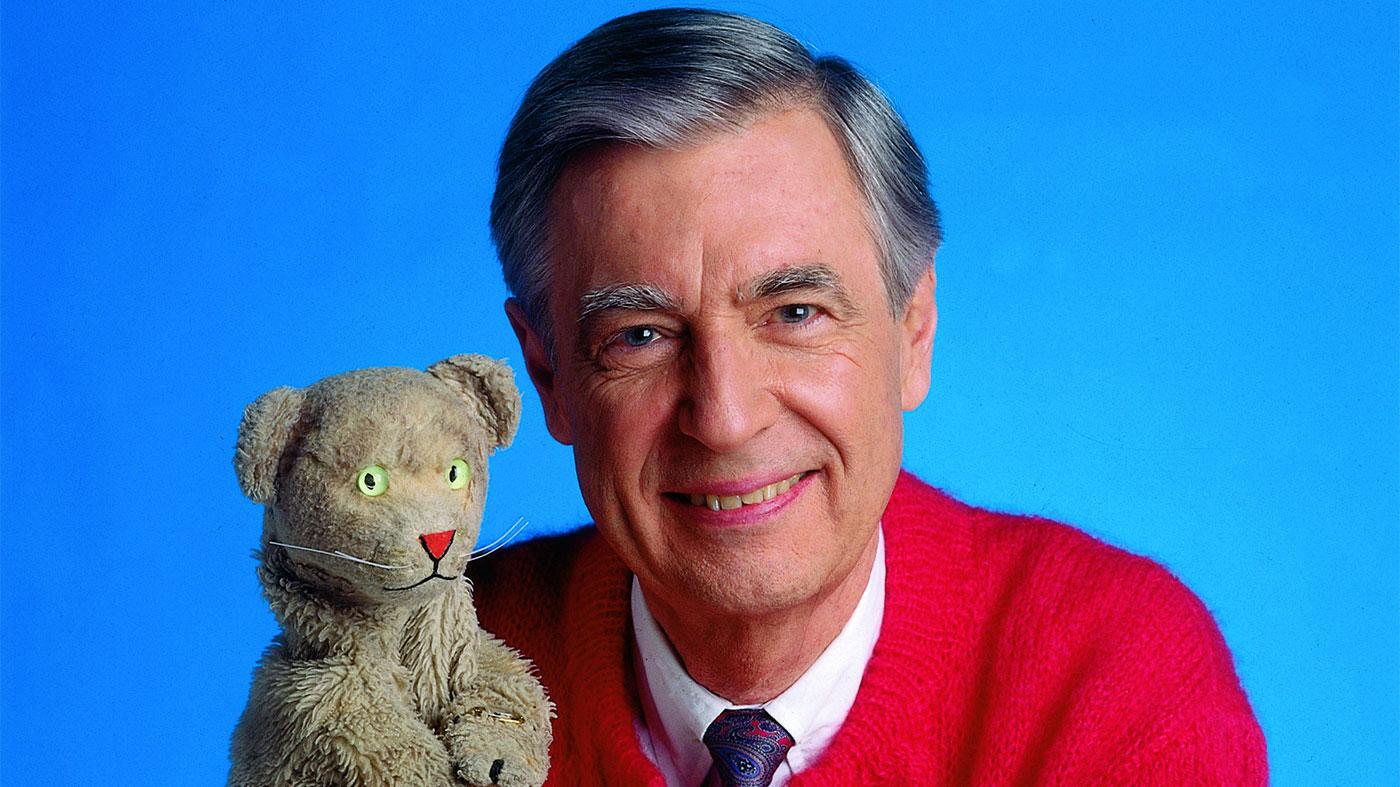
But, as Mr. Rogers says, “Anything human is mentionable.”

Won't You Be My Neighbor?' the Mister Rogers Documentary, Comes to ...

Even death.

We don’t like to talk about death. It’s unpleasant and frightening and often divisive. We all know it’s coming-no one (except Enoch and Elijah) have left this world any other way. Yet the polite thing to do is pretend it doesn’t exist or at the very least, isn’t likely to happen any time soon.

But that serves no good purpose.

It stops us from having meaningful conversations with those we love as they approach the end of their days. It keeps us from making amends while there is still time, saying the things that need to be said, wrapping up loose ends and frayed relationships.

It stops us from listening to the bereaved. If we get too close and pay too much attention to the aftermath of loss then we have to think about what it really means to live on without someone we love.

And it has shaped a society in which those who grieve too loudly or too long are shushed and shamed.

Refusing to talk about death doesn’t make it disappear.

It only makes it harder to deal with.

The rest of the Mr. Rogers quote is this:

…and anything mentionable is more manageable. When we can talk about our feelings, they become less overwhelming, less upsetting, and less scary. The people we trust with that important talk can help us know that we are not alone.

Fred Rogers

Learning the language of loss and lament is part of the healing process in grief.

We’ve never been very good in Western society talking about or dealing with death. So many hearts are hurting and have nowhere to go, no one to talk to, no safe refuge for their pain.

If someone trusts you with his or her feelings, receive it as a gift.

Make space for them to be honest about what they are experiencing.

Remind them that “Anything human is mentionable”.

And listen.

I don't believe in best friends {discuss amongst yourself ...

Christmas Morning Prayer for Broken Hearts


Oh, dear one who opened your eyes to the morning light carrying wounds so deep no one can see!

I am so, so sorry.

When things have gone terribly wrong it’s hard to get up and make merry.

I know.

Read the rest here: Christmas Morning Prayer for Hurting Hearts