2026: Mother’s Day as a Bereaved Mother

When it first happened all I could think about was getting through a minute, then a day and then all the decisions and days leading up to a funeral or memorial service.  

There’s no road map.  

Even when others come alongside (and many, many did!) there’s just no easy way to navigate that part of the journey.

And then I realized that in addition to all the “regular” days that absolutely, positively  break your heart, I had to forge a path through “special” days.

It was overwhelming!

Mother’s Day was especially challenging that first year.  Our loss was fresh and we’d had to acknowledge and celebrate two graduations and a wedding was about a month away.  How in the world could I honor my living children and also safeguard my broken heart?

We muddled through by having Mother’s Day at my daughter’s apartment co-hosted by some of her sweetest and most compassionate friends.  Not a lot of fanfare, but good food, good company and a quiet acknowledgment of Dom’s absence but also my living children’s presence.

It was a gift. 

This is my thirteenth Mother’s Day. It’s my first as a bereaved grandmother. Every year is different.  Every year presents new challenges and every year things change.  

Since discovering there is an International Bereaved Mother’s Day my heart has taken advantage of having a day to think about and honor Dominic and then another day to think about and honor my living children.

That helps.  

I wrote this post years ago but can’t really improve on it so I’ll share it again.  I pray that each heart who finds Mother’s Day hard will lean in and take hold of the hem of His garment. 

It’s really the only way.  

Read the rest here:  Mother’s Day as a Bereaved Mother

Mother’s Day 2026: From the Child Not Here on Mother’s Day

I post this around Mother’s Day every year since my daughter, Fiona, wrote it in the voice of her brother who is in Heaven.

It helps my heart sort the mixed emotions that this day stirs up.

I’m not ONLY a bereaved mother. I’m a mother and grandmother of earthbound children too.

I’m grateful for all of them. So very, very grateful.

❤ Melanie

My daughter, Fiona, wrote this several years ago, in the voice of her brother who ran ahead to heaven.    

I am so thankful for her and so sorry that she has gained this wisdom at great cost.

Some of the bravest, most loving women I know are those who have suffered one of life’s greatest losses. I hope you know how truly beautiful you are. 

Dear Mom,

I know most days your eyes are misty with tears, your mind full of questions, your voice quieted, your heart broken by the pain of living without me.

There are only two ways to gain a child: birth or adoption.

But nobody and nothing in this world prepares you for the harsh reality that there are countless ways to lose one.

I can’t dry your eyes or answer your questions; strengthen your voice or fix your broken heart. But today, the day you stand with empty arms or a few empty chairs while others’ hearts and homes are full, I want to remind you of a few things:

It is not your fault.

You are a great mom.

It’s OK to wish for more time.

Broken crayons still color and the world needs your tear-washed rainbows to remind them that stormy clouds are not the end of the story.

I’ll see you soon.

<3,

The One Not Sitting at Your Table”

Is This Normal? Questioning How We Grieve.


Believe me, no one wonders more than I if the things I’m feeling, the things I’m doing and the rate at which I am healing is “normal”.

I belong to a couple of bereavement support groups and a recurring theme is, “Am I crazy?  Is this the way it is supposed to be?”

Sometimes grieving parents wonder these things because of their own misgivings.

But often, we question our feelings and experience because of external pressure.

And that is unfortunate and unfair.

When a mom brings her new baby home from the hospital, people are quick to remind her that life “will never be the same”.

She is encouraged to seek advice and help from friends and family and given space and time to figure out this new way of being.  As the years pass, she might express frustration and concern over the challenges of going back to work, sleepless nights, feeding issues, potty training, and dozens of other, everyday struggles that result from welcoming this little person into the family.  And that is just the beginning. 

No one thinks it strange that the ADDITION of a child is a life-long adjustment.

So, why, why, why is it strange that the SUBTRACTION of a child would also require accommodation for the rest of a mother’s life?

My heart grew larger when Dominic was born and the space that is his cannot and will not be filled by anyone or anything else.

I am learning each day to work around this empty spot.  I am becoming stronger and better able to carry the weight of grief that I must bear.

I can do many of the things I used to do before the only place I could visit Dominic was at the cemetary.

But I have to do them differently.  I need more help.  It takes more time. And sometimes I find after I plan to go somewhere that I am just not able to go after all.

I will never “get over” burying my son.

There will always be another mountain to climb, another loss to mourn, another hurdle to clear in this grief journey.

Dominic is part of me.  That didn’t change when he went home to be with Jesus.

The absence of his presence is EVERYWHERE.

And just for the record–missing the child I love for the rest of my life is perfectly normal.

This Is What Grief Looks Like

Today I was backing out of the driveway when my eyes landed on the tag of one of our other cars.

Suddenly I realized that I hadn’t renewed our tags this year.

They are due in January and, like other important dates graven in my over- organized brain, I literally NEVER forget.

But I did.

And I hadn’t even thought about it these three months until just now.

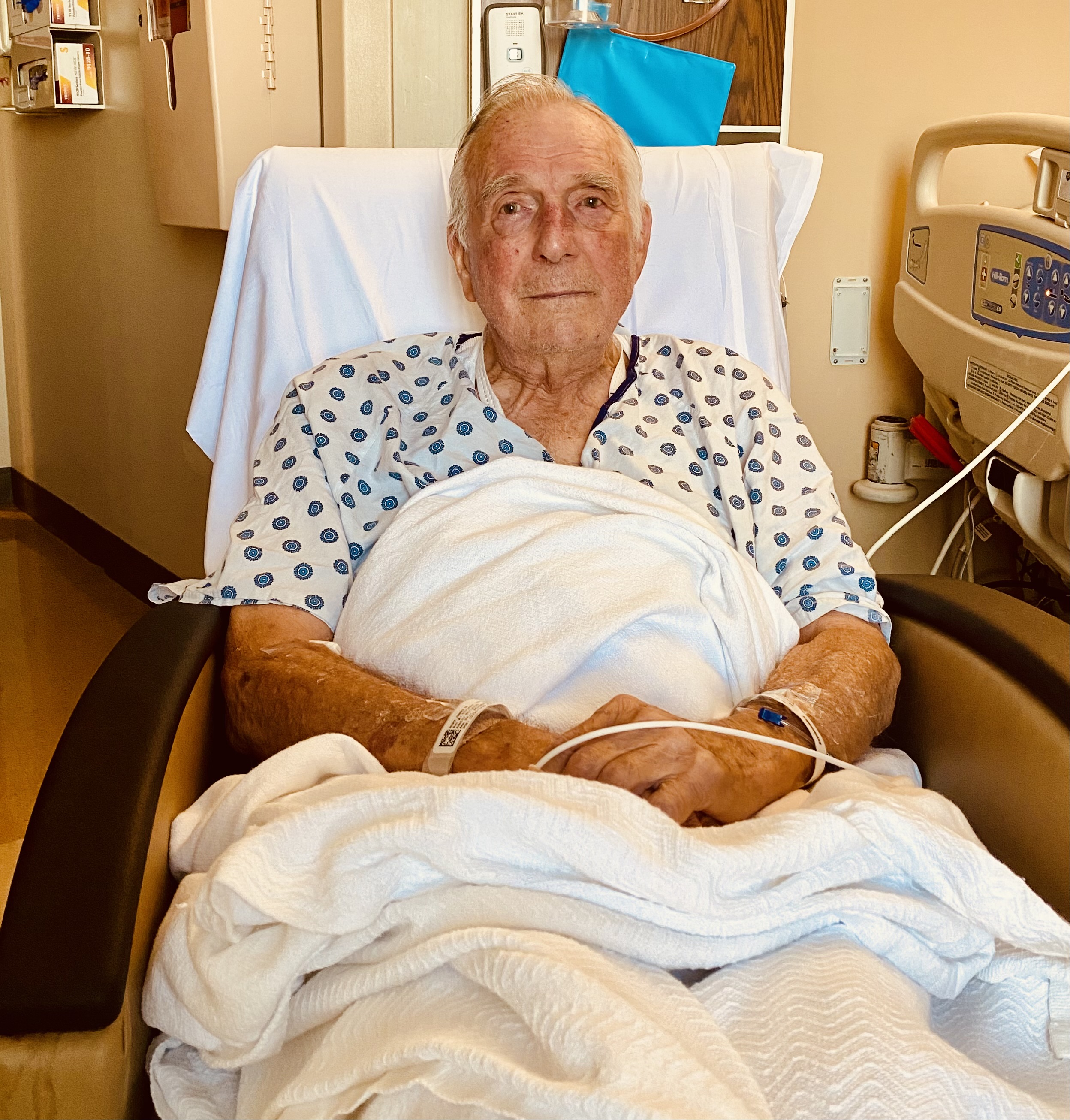
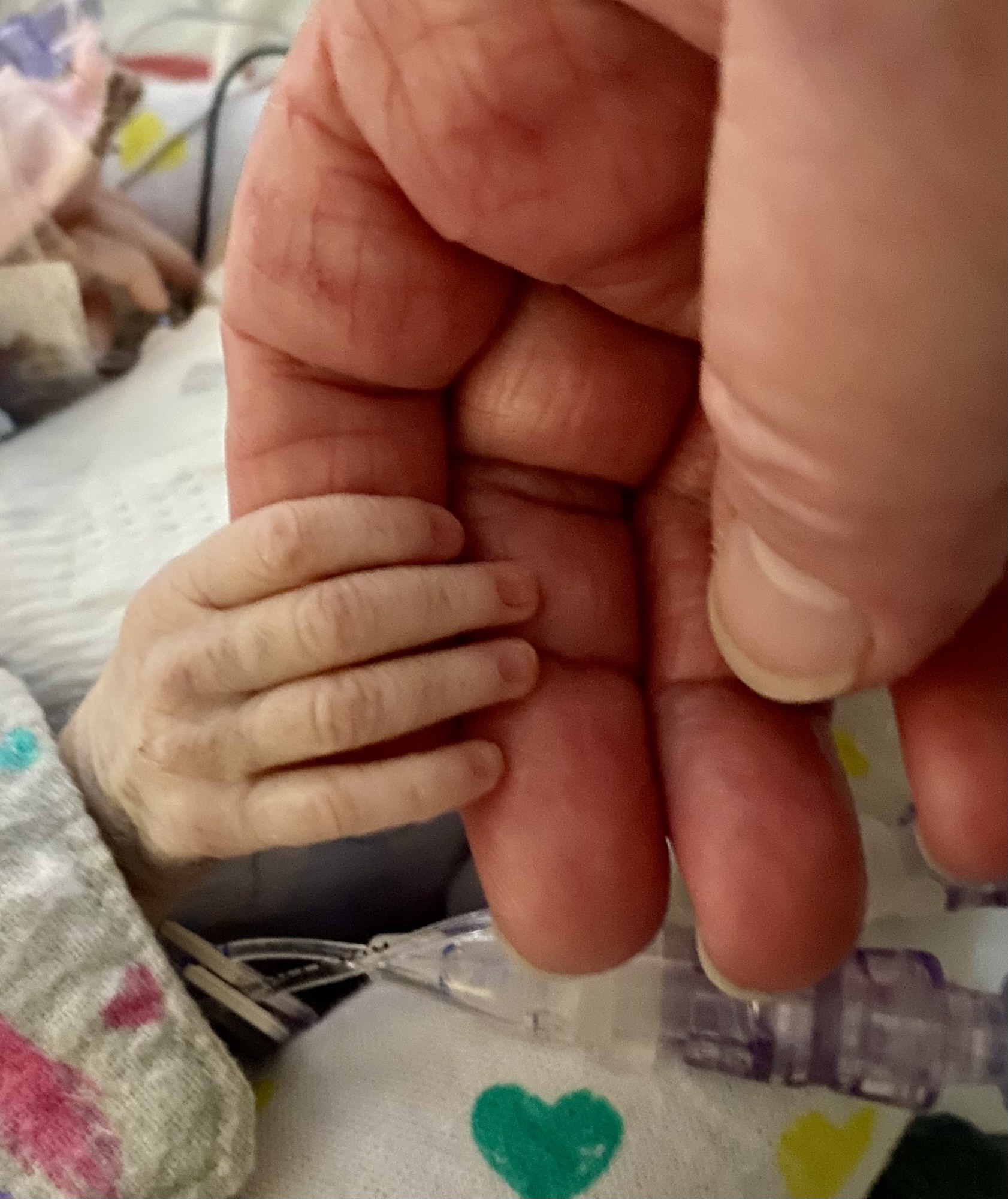
My sweet granddaughter, Holly, went to Heaven at Dallas Children’s Hospital January 4th. My elderly dad had eye surgery in Florida January 19th. I was home for exactly four days the whole month.

This is what grief looks like in real time twelve years later.

I still have six half grown kittens born a week before Holly entered the world . I brought their poor mama 700 miles because I didn’t want her to deliver while I was away welcoming my precious girl.

I just can’t let them go.

They are connected to her life, a source of joy, a reminder that death doesn’t claim every beautiful thing.

I’m probably going to keep them all because I can and because a farm can always use more barn cats.

This is what grief looks like twelve years later.

img_4728

I recently had a nuclear stress test and an echocardiogram. My EKG in January was just a little “off” so my cardiologist sent me for testing.

The results were good. No real issues other than that I need to get back to walking every day and should lose weight.

I finally activated a Fitbit tracker I bought months ago to track my heart rate, activity and steps.

This is what grief looks like even after over a decade.

I’m rapidly approaching another unwelcome milestone marking twelve long years since I heard Dominic’s voice, saw his face, hugged his neck.

I’m stronger.

I feel joy.

I don’t cry every day.

But if anyone thinks the absence of my son or my granddaughter doesn’t change EVERYTHING, they are wrong.

Twelve Years: Broken Hearts and Broken Lives

I woke one morning to a frantic voice mail left overnight when my phone was on sleep mode which silences all but my few “favorites” from ringing through.

A precious young woman from my family’s past was reaching out because she knew I was a safe person. I wish I had been able to talk to her when she needed me most but I was left with the only option available: call her back and leave a voice mail message.

It’s a poor substitute for being there when someone is hanging on by a thread.

It made me think of the dozens of ways my children and I have learned to “be there” for broken hearts and broken lives.

It’s an easy yes for any one of us when someone calls and says, “Can you talk?”.

Even when it’s inconvenient or worse, we answer the phone and allow that heart to spill its contents until there is some relief and possibly some way forward.

Some days I’m tapped out.

I may not haul feed bags or lift boxes but my heart is wrung dry by mid-morning.

Hours long telephone conversations in which there is no real answer and no way to untangle complex webs of addiction or family history or personal trauma leave me needing a nap.

I try to take a break when I need to and come back fresh when I can.

In this Season of Sorrow I have a little less to give.

But I am committed to helping other broken hearts limp along toward healing for as long as I am able.

So many have helped me.

I want to share the gift.

Palm Sunday 2026: What if I’m Not Rescued

If you haven’t watched the body of someone you love lowered into the ground while holding your breath and praying, praying, praying that somehow, some way this isn’t real then maybe you can’t imagine what it feels like not to be spared.

Me? It doesn’t take but a single breath to go from “everything is alright” to “my world is shattered”. I feel every. single. death. added to the tally a mass shooting or tornado destruction leaves behind.

So what do we do if we aren’t rescued? What do we cling to if our family isn’t spared?

What if all the prayers lifted on behalf of ones I love don’t stop death from claiming them?

When Jesus entered Jerusalem He was hailed as a hero. But when He didn’t perform as expected He was cast aside.

Will I choose to believe even when it’s hard?

 Melanie

So what if I’m not rescued?

What if my family isn’t spared?

What if all the faithful prayers lifted on behalf of ones I love don’t stop death from claiming them?

Will I still believe?

Will I still trust that God is a loving Father who is in control and working all things together for His glory and my good?

Read the rest here: What If I’m Not Rescued?

“How are you doing?” “Not as well as you might think.”

For over ten years this space has been a lifeline to me.

When I first started writing here it was, honestly, a way for me to express feelings and thoughts that were unwelcome in my social and personal circles.

I thought that if I wrote them down for the world to see, maybe some friends (and most especially) extended family, might read them and gain a bit of insight into the long, lonely road of grieving a child.

A couple of weeks ago I confessed that I didn’t have it in me anymore.

So many responded with kind comments and encouragement. Thank you, Thank. You. THANK YOU!

The break has been good in one respect-it gave me a little more freedom to just experience my life and less pressure to turn that experience into something I could share.

Here I sit, not on the DATE of Dominic’s running ahead, but on the DAY (the Saturday before Palm Sunday) of his running ahead and I am not really OK.

I feel like most of 2025 was like 2013-a year of promise.

The year before Dom went to Heaven, I turned 50. As an ardent student of Scripture, I had claimed that year as a Jubilee. All my children would be college graduates, one would be married and they were pursuing their own paths-each successful in their own way. I would finally be able to be more than a mother and free to follow my own ambitions.

April 12, 2014 changed that.

Last year also felt like a kind of freedom.

After over ten years of carrying this burden, I launched an official ministry and was doing things I had only previously dreamed of. Four amazing mom retreats, speaking engagements, book studies, monthly support meetings, the blog, sharing on podcasts and gaining additional credentials in grief counseling all meant I was beginning to live forward once again.

Then my dad had a devastating stroke.

I spent three months just trying to reach equilibrium for an almost 90 year old man who was way too involved in way too many things. If you haven’t had both the privilege and burden of caring for an aging parent, let me tell you it is so. much. more. than you can imagine. Even with every good intention and forethought, running two households is hard.

I had two days between leaving Papa’s home (praying the caregiver who was coming in three days a week would manage half of what I had when there 24/7) and heading to Texas for the too-early birth and ultimately tragically short life of my granddaughter, Holly.

Christmas was made jolly for the grandboys but the adults were just there for the show.

January 4, 2026 was the second day the earth stood still for our family.

Except that it doesn’t. The world keeps spinning and people keep going and somehow, miraculously, our broken hearts continue to beat.

I won’t type every event since then but suffice it to say nothing has slowed down, no provision has been made for deep rest, reflection and the silence that gives any of us the time to process loss and the questions it raises.

So here I am at the Saturday before Palm Sunday once again.

And I am not as well as I might have thought this far into the journey.

I’ve gained all the necessary tools to hold on and to make it to the next morning, trusting the sunrise to bring new mercy and trusting Jesus to help my heart.

But I’m exhausted.

I don’t want to discourage anyone who is earlier in this journey.

I am stronger and better able to carry the load-if I wasn’t, I would not have survived this past year of additional burdens. I only desire to be as honest as possible. so, honestly, today (and probably this entire week) I’m not feeling very strong.

Grief continues to shape who I am and how I interact with the world.

I can’t pretend it doesn’t.

Navigating Grief: Trauma Rewires Our Brains

No matter how a child leaves this earth, it’s traumatic.

And trauma rewires our brains.

The “fight or flight” response that had previously been reserved for truly life-threatening situations gets woven in with memories and feelings and our bodies remain on high alert.

So before we know it, all kinds of ordinary, daily, and definitely not life-threatening situations evoke rapid heartbeat, shortness of breath, anxiety and fear. And the absolutely reasonable response is to get away from those things that make us feel that way.

So we do (or try to!).

We find ourselves running away from people who love us, who want to help us but who just might not understand why we’re running. We cocoon in our homes, in our own bodies and try to find that one safe space where fear and anxiety can’t find us.

But there is no such absolutely safe space.

Trauma rewires our brains, it’s true.

They can be rewired again.

So many good therapies are available for those of us who suffer in silence. Many are based on using physical cues to help a brain learn to distinguish between truly dangerous and only the memory of dangerous.

PTSD treatments and therapies

It is possible to venture out in the world again, to reach for and sustain connection, to lean into company instead of shying away.

Don’t stay hidden, afraid and alone.

Find a trained trauma counselor

Ask for help.

Navigating Grief: At Night, It Can Still Feel Fresh

It happens most often as I am drifting off to sleep. 

There is this one spot on the bedroom bookshelf where my eyes landed that first night-one paperback spine that instantly transports me to the moment I had to close my eyes on the day I found out my son would never come home again.

And it is fresh.  

Absolutely, positively fresh.  

Like “just happened” fresh.  

missing-someone

You’d think that nearly twelve years of intervening experience, nearly twelve years of grief work, nearly twelve years of trying so darn hard to learn to tuck that feeling away deep down so it can’t escape would have worked whatever magic time is supposed to work.  

it has been said that time heals all wounds rose kennedy clock

But it hasn’t.  

Oh, most days I can lock that lid down tight.  I can distract my mind, busy my hands and keep my heart from wandering too close to despair.

Darkness though. 

Shadows and silence and stillness give room for the memory to rise to the surface.  

And it does.  

My son is never coming home again.  

Fresh.  

Absolutely, positively fresh.

“Just happened” fresh.  

sometimes cant believe you are gone

Navigating Grief: Trauma Rewires our Brains

No matter how a child leaves this earth, it’s traumatic.

And trauma rewires our brains.

The “fight or flight” response that had previously been reserved for truly life-threatening situations gets woven in with memories and feelings and our bodies remain on high alert.

So before we know it, all kinds of ordinary, daily, and definitely not life-threatening situations evoke rapid heartbeat, shortness of breath, anxiety and fear. And the absolutely reasonable response is to get away from those things that make us feel that way.

So we do (or try to!).

We find ourselves running away from people who love us, who want to help us but who just might not understand why we’re running. We cocoon in our homes, in our own bodies and try to find that one safe space where fear and anxiety can’t find us.

But there is no such absolutely safe space.

Trauma rewires our brains, it’s true.

They can be rewired again.

So many good therapies are available for those of us who suffer in silence. Many are based on using physical cues to help a brain learn to distinguish between truly dangerous and only the memory of dangerous.

PTSD treatments and therapies

It is possible to venture out in the world again, to reach for and sustain connection, to lean into company instead of shying away.

Don’t stay hidden, afraid and alone.

Find a trained trauma counselor

Ask for help.