Lenten Reflections 2024: Refusing to Reframe My Past

This reflection is challenging.

I know I’m often tempted to “work backwards” from my desired outcome/impression/position to fashion or refashion a narrative that suits my purpose. When talking to folks who weren’t there and who have no way to verify any other version of the story I might tell, I can tweak things so I come out on top.

Jesus doesn’t put up with that.

Read the rest here: Lenten Reflections: Refusing To Reframe My Past, Embracing Truth

Lenten Reflections 2024: Making Space for Authenticity

Today’s fast is appearances.

When my kids were young we watched a movie in which one of the female characters worked hard to keep up a perfect appearance in hopes of “catching her man”. But all her efforts were undone by a child who saw through the fake.

“Does your face hurt?”, asked the little girl, referring to the obvious strain required to try to keep that smile exactly right.

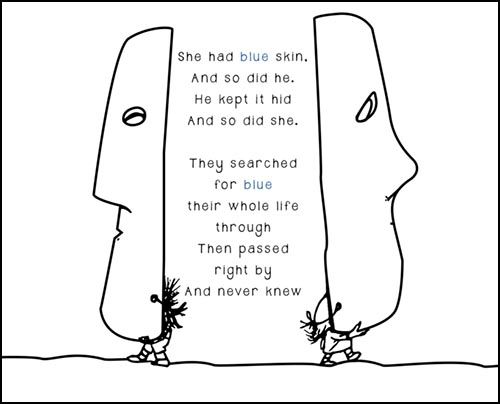
I’ve often thought about how much energy I’ve wasted trying to pretend that I’m something I’m not.

It’s especially tempting to put on that “holy habit” when I walk through the doors of church or gather for a women’s ministry event.

Read the rest here: Lenten Reflections: Letting Go of Masks and Making Space for Authenticity

Lenten Reflections 2024: Welcoming Those Whom Jesus Loves

If I read the Gospels and really put myself in the story, I would have to admit that I may well have wanted to “protect” Jesus from some of those that sought His help and His blessing.

It’s easy to fall into the trap of deciding who might be worthy of God’s time and attention.

Read the rest here: Lenten Reflections: Welcoming Those Whom Jesus Loves

Lenten Reflections 2024: Making Space for Authentic Faith

In Jewish culture, “It’s an act of reverence to ask questions of the story. The Jews are confident that the story is strong enough to be tried and tested….Around the table, a Jewish child has ‘That’s a good question!’ drummed into his or her soul, not ‘You don’t ask that question’…Questions are a sacred as answers.” (Dr. Leonard Sweet)

If you’ve read a single word I’ve written in the past nine years you know how close this truth is to my heart!

I think we do a disservice to ourselves and others when we reduce the complexities of Scripture to something like Aesop’s Fables. Real people lived real lives and had real questions. The Almighty God is big enough to handle them.

Read the rest here: Lenten Reflections: Making Space for Authentic Faith

Lenten Reflections 2024: Letting Go of Regret to Make Space for Growth

That means learning to let go of past mistakes, missed opportunities, woulda/coulda/shoulda.

Because the truth is no one lives backwards.

It’s helpful to reflect on how past actions might have influenced present conditions but it is crippling to hold those thoughts and feelings so close that there’s no room for new ones.

Read the rest here: Lenten Reflections : Letting Go of Regret to Make Space For Growth

Compassion 2024: Understanding the Grieving Heart

In the last post I shared the difference between mourning and grief. While the outward ceremonies have long passed, the inward struggle to embrace and understand the pain and sorrow of losing my son continues.

If you love someone who has lost a child, perhaps these thoughts might help you understand a bit of their pain and how completely it changes the way bereaved parents encounter the world.

Please be patient. Please don’t try to “fix” us. Please be present and compassionate. And if you don’t know what to say, feel free to say nothing-a hug, a smile, an understanding look-they mean so very much.

❤ Melanie

A bereaved parent’s grief doesn’t fit an easy-to-understand narrative. And it flies in the face of the American “pull yourself up by your bootstraps” mentality.

You can’t beat it–it’s not a football game-there is no winning team.

You can’t lose it–it’s not the extra 10 pounds you’ve been carrying since last Christmas.

You can’t get over it–it’s not a teenage love affair that will pale in comparison when the real thing comes along.

You can only survive it.  You can heal from it, but it will take a lifetime and require very special care.

Read the rest here: Loving Well: Understanding the Grieving Heart

Grief Work 2024: Healthy Boundaries in Grief

As a people-pleasing first born who hates conflict, giving in has always been  easy for me. It’s only later that I wish I hadn’t.  

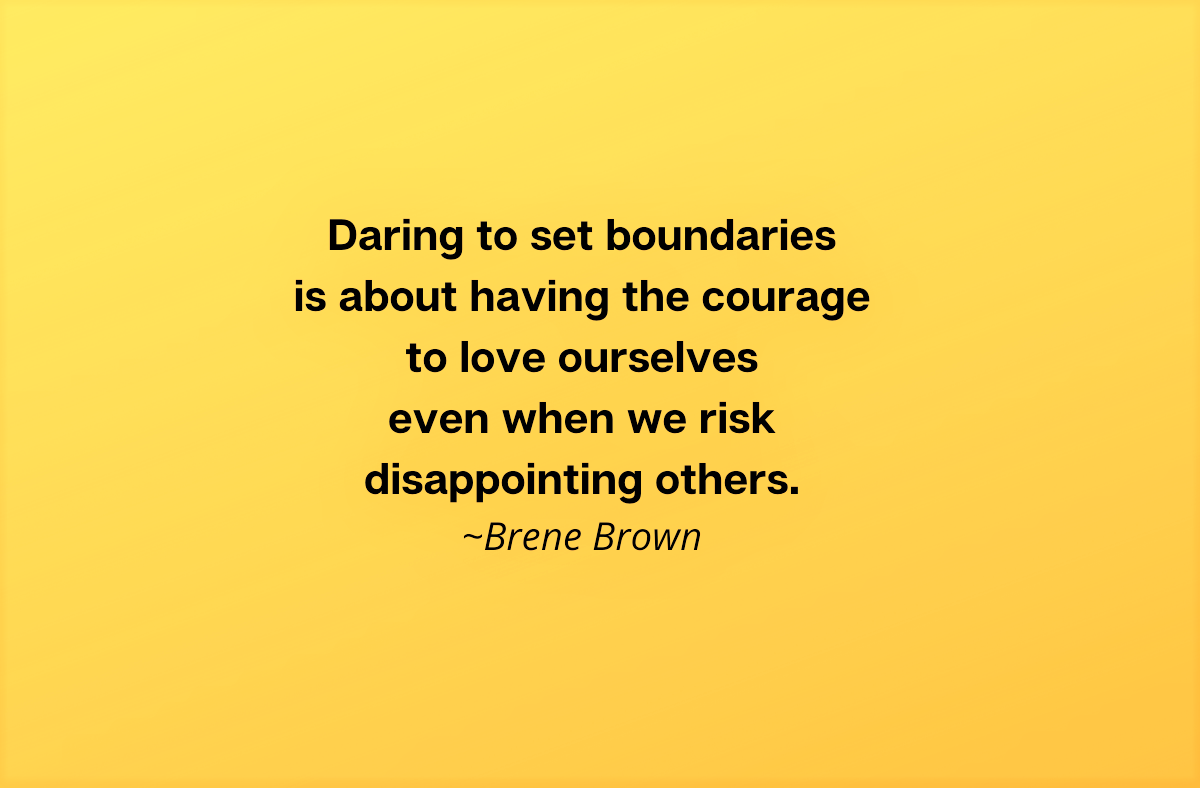
So for most of my life, setting personal boundaries has been challenging.

But in the aftermath of child loss, healthy boundaries are no longer optionalthey are necessary for survival.  

So what are healthy boundaries?

Read the rest here: Healthy Boundaries in Grief

Grief Work 2024: Will It Ever Get Better?

I know that when I first stumbled onto a bereaved parent group, it was one of the things I was looking for: evidence that the overwhelming pain of child loss would not last forever.  

Some days I was encouraged as those who had traveled farther down this path posted comments affirming that they could feel something other than sorrow.

Some days I was devastated to read comments from parents who buried a child decades ago asserting that “it never gets better”.

Who is right?  

What’s the difference?

Do I have any control over whether or not this burden gets lighter?

Read the rest here: Will It Ever Get Better?

Grief Work 2024: Shake Off the Shame

Shame is one of the most crippling aspects of child loss.

Depending on the circumstances surrounding your child’s last days on earth, it can be compounded by friends, family and even strangers who speculate, comment or simply give a parent “that look”.

It’s true that we all MAKE mistakes but none of us ARE mistakes.

Grief work is, in part, embracing this life we didn’t choose.

But it is also letting go of feelings, identities and burdens placed upon our broken hearts by ourselves and others.

Shame tells us we are unworthy of love and belonging and that is simply a lie.

❤ Melanie

Shame is a shackle as sure as any chains forged from iron.  

And it often finds its home in the hearts of those who bury a child.

Bereaved parents may feel shame for lots of reasons:

  • Circumstances surrounding the death of their child-suicide, alcohol, drug abuse;
  • Inability to provide the funeral or burial they want due to financial constraints;
  • Missing signs or symptoms of an illness that may have led to death;
  • Family dynamics that pushed a child away from home or relationship.

The list could be endless-on the other side of child loss our brains pick apart every interaction, every choice, every moment that could have gone one way but went another.

Read the rest here: Shake Off the Shame

Grief Work 2024: Can’t Fake It Forever

I’ll be honest-there are definitely times when “faking it” is the easier path. Chatty neighbors, standing in line, professional meetings or chance encounters lend themselves to light conversations that don’t need to include ALL my feelings or current grief experience.

But there are other times when being real, honest and authentic is not only preferable, it’s necessary.

I cannot fake it forever.

It took me awhile to figure that out.

Child loss is hard. Child loss impacts a family forever. Child loss is not “curable” or “solvable” and it’s not helpful to pretend it is.

So for the relationships that matter, I try to be transparent.

❤ Melanie

There’s a common bit of advice in grief circles:  Fake it until you make it.

It’s not bad as far as it goes and can be pretty useful-especially just after the initial loss and activity surrounding it.

Like when I met the acquaintance in the grocery store a month after burying Dominic and she grabbed me with a giant smile on her face, “How ARE you?!!! It’s SO good to see you out!!!”

I just smiled and stood there as if I appreciated her interest, a deer caught in headlights, silently praying she’d live up to her talkative past and soon move on to another target.

Faked it.

Boom!

BUT there comes a time when faking it is not helpful.  In fact, it’s downright dangerous.

Read the rest here: Can’t Fake It Forever