“Acceptance” Isn’t a Stage. It’s a Lifetime.

In all fairness, Elisabeth Kubler-Ross had no idea her research would be taken out of context and plastered across professional literature and media outlets as a definitive explanation for the grief experience.

But she didn’t mind the notoriety.

And ever since, counselors, pastors, laypersons and the general public have come to expect folks to politely follow the five (sometimes described as six) stages of grief up and out of brokenness like a ladder to success.

It doesn’t work that way.

Sometimes those that walk alongside the bereaved are biding time, waiting for that “final” stage of grief: Acceptance.

And some therapists, counselors and armchair psychiatrists are certain that if the grieving mother or father can simply accept the death of a child, he or she can move on–they can get back to a more “normal” life.

But this notion is as ridiculous as imagining that welcoming a new baby into a household doesn’t change everything.

And new parents have months to prepare.

Read the rest here: Loving well: Understanding “Acceptance”

How to Transition from “Good-bye” to Grief

A funeral or memorial service seems like a final chapter.  We close the coffin, close the doors and everyone goes home.

But for bereaved parents and their surviving children, it’s not an end, it is a beginning.

Much like a wedding or birth serves as the threshold to a new way of life, a new commitment, a new understanding of who you are, burying a child does the same.

Read the rest here: Loving Well: Transitioning From “Good-bye” to Grief

I Grieve Because I STILL Love

I confess-until it was MY son who left for Heaven before me I had NO idea that grief was really just love.

But when the person you love more than the breath in your body leaves you, the love remains.

And you have to find something to do with it.

So you sigh and you moan and you find ways to keep that person relevant despite the days, weeks, months and years (!) of experiences that interpose themselves between the last time you were able to hug his neck and the date on the current calendar.

If the people we love are stolen from us, the way to have them live on is to never stop loving them.” ~James O’Barr

I grieve because I love.

My tears are a gift to the son I miss.  My sorrow honors his memory.  My broken heart gives evidence to the ones walking with me that my love is fierce and timeless.

Read the rest here: Love: The Reason I Grieve

The Greatest Gift: Say His Name!

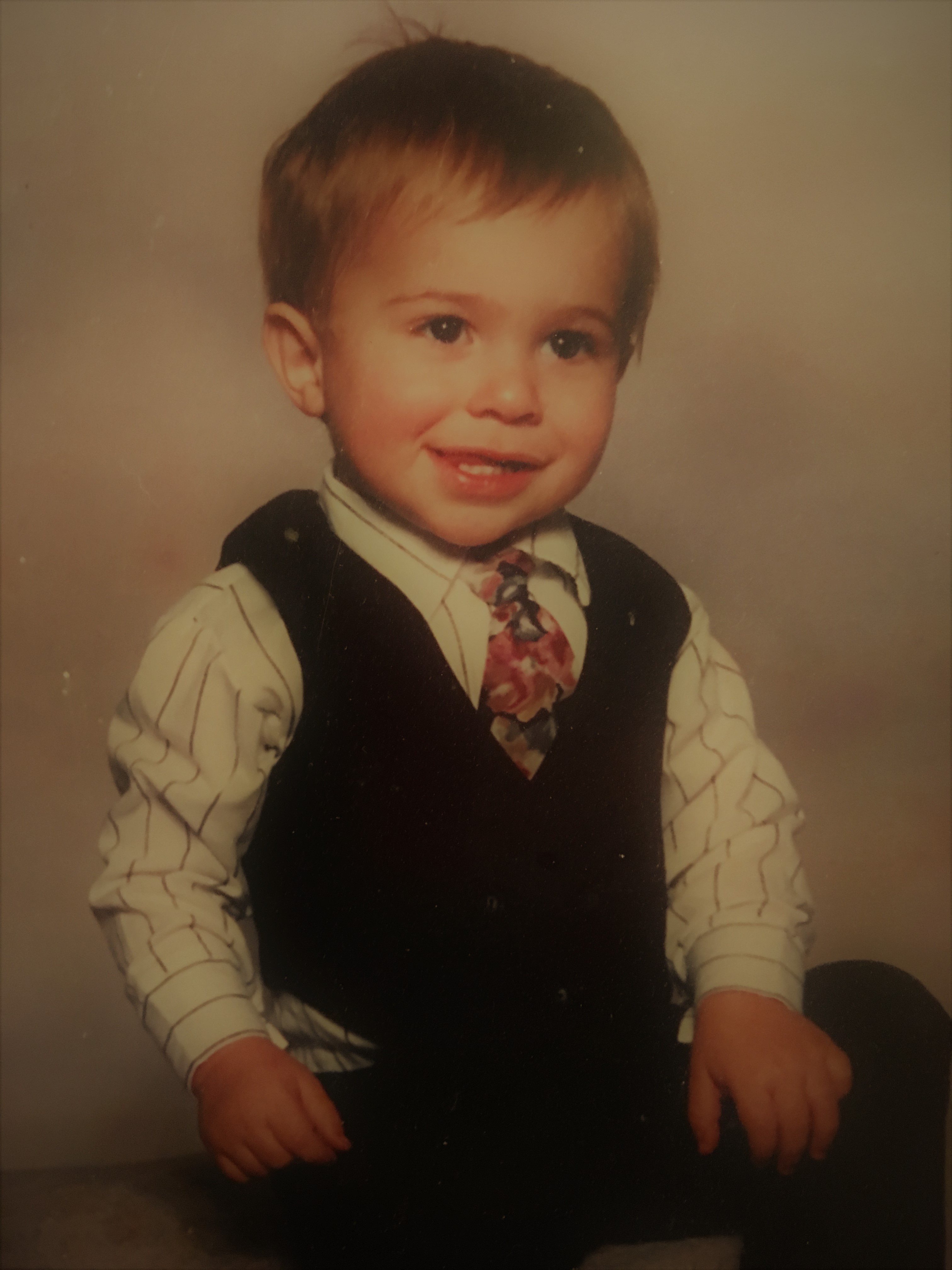
It’s nearly impossible for anyone who has not lost the earthly companionship of a child to know how desperately I long to hear Dominic’s name spoken aloud.

There are days I walk around my home and think silently and even whisper quietly, “You existed! You exist!” just to remind my heart he is real.

You may hesitate to bring him up because you fear my tears. But any tears his name might evoke will be tears of gratitude as well as those of longing.

Please say his name!

I know you are afraid.

You think that speaking his name or sharing a memory or sending me a photo will add to my sorrow.

I understand.

But even when it costs me a split second of sharp pain, it is truly a gift to know that Dominic lives on in the hearts and minds of others.

Read the rest here: Loving Well: Just Say His Name

Some Things Just Hurt, No Matter How Bravely a Broken Heart May Bear Them.

In the first days, weeks and months after Dominic ran ahead to Heaven I was a giant walking nerve-it didn’t take much to bruise my already grievously wounded heart.

As time progressed, I learned to accept the intention behind a comment or action even when it fell flat or hurt instead of helped.

But there are some things that simply shouldn’t be said and some things that shouldn’t be done no matter how bravely a broken heart may bear them.

Before I lost Dominic, I know that I, like others who had never experienced the death of a child, undoubtedly said and did things that were hurtful instead of helpful.

Loss will enter everyone’s life at some point–there is no escape.

We educate ourselves (as we should) on so many issues–work hard not to offend, to understand, to reach out. Bereaved parents don’t want pity, they would like to be better understood.  

We did not choose this journey, it was thrust upon us.

Read the rest here: Loving Well: Some Things Hurt

Love Poured Out: Tales of Friendship and Encouragement After Child Loss

I am well aware that not everyone is blessed by an outpouring of love and support in the wake of child loss. In fact, depending on the circumstances, some families are practically shunned.

It breaks my heart every time I hear of such an experience.

Because if there is one thing I’ve learned in this Valley, it’s this: when a heart is shattered, my ONLY job is to show up and do whatever is helpful-even if that means sitting silently and holding a hand.

When I asked other bereaved parents to share the things people did that blessed them in the wake of losing a child, I didn’t expect so many stories of extravagant love–of acts surpassing anything I could have thought of or imagined.

I suppose I shouldn’t have been surprised.

When we lost Dominic, there were many who blessed us in ways that I can only describe as offerings poured into our lives from the bountiful love of Christ.

Read the rest here: Extravagant Love: Tales of Friendship and Encouragement After Losing a Child

A List of Practical Ways to Love Grieving Parents

When Dominic died, I didn’t get a manual on what to do.  I didn’t get an orientation into how to be a grieving parent.  So when some people asked how they could help me and my family, I really didn’t know.

A comment repeated often by bereaved parents is, “Please don’t use the phrase, ‘let me know if there is anything I can do’, people mean well, but this is unhelpful.”

Another mom put it this way, ” There are too many meanings to this phrase.  It can mean anywhere from, ‘I really want to help’ to ‘I don’t know what to say so I’ll say this but I don’t really want you to ask’.  Also it’s so hard to make any decisions–trying to figure out what you might want or be able to do is overwhelming.  Instead, offer specific things you can do and make plans to do them.”

For those that want to help, here ia a list of 31 ways you can provide practical and timely help to grieving parents:

Read the rest here: 31 Practical Ways to Love Grieving Parents in the First Few Days

How Can I Love a Grieving Parent Well in those First Days?

It will be eight (!) years on April 12th.

And yet those first hours and days are some of the most vivid in my memory. Who showed up, what they did, what they said (or graciously and wisely DIDN’T say), how fragile and lost I felt as precious friends guided me through so. many. decisions.

I will never, ever forget the kindnesses shown to our family during that time. I will never, ever stop thanking God for the brave souls that entered into our world of pain and simply refused to be shooed or frightened away.

❤ Melanie

The death of any loved one opens a door and forces you to pass through.

You cannot procrastinate, cannot refuse, cannot ignore or pretend it away.

Suddenly, you find yourself where you absolutely do not want to be.  

And there is no going back.

Many bereaved parents describe the first hours, the first days after losing a child as a fog–we feel both horrified (I can’t believe this is happening!) and numb (Is this real? Am I dreaming?).

Read the rest here: Loving Well in the First Days After Loss

Seems Like Yesterday and Forever…

The human heart is a funny thing-always working hard to protect itself from grievous injury yet prone to exactly what it tries to prevent.

I honestly believe that one of the gifts of early grief is disbelief.  Because if I could have understood at once what it meant that Dominic was really, truly GONE, I would have never lasted the first 24 hours.

Even now, going on eight years, my head plays games with my heart.

Read the rest here: Just Yesterday and Forever

Regrets

Every parent has regrets.

We were too busy or we were not busy enough. We spoke harshly when we should have withheld judgement. We insisted on “good behavior” when our child was simply being curious and doing what all active children do.

The difference between most parents and bereaved parents is this: As long as there is breath, there is hope for forgiveness, for mending fences, for saying, “Hey, remember when” followed by an apology and understanding.

When your child is out of reach there’s no chance of making amends or even having a conversation.

So I’m left alone to work through any regrets I have.

I am forced to play both roles and make assumptions about what Dominic may or may not have understood at the time. I have to hope without confirmation that he would forgive me for the moments when I was less than the mom I wish I had been.

Most days I rest in the truth that no matter what, Dominic knew he was loved.

In fact, I try hard to imagine that even in the last second of his life-before he met Jesus-he may have been focused on my mother love and that if I could have been there I would have been.

But there are cold days and cloudy days and days when I feel oh, so inadequate and all the regrets come knocking at the door of my heart.

Those are hard.

So although I rarely play the “if you only knew” card with friends and family I will say this: Tell the people you love what you need to tell them. Let them hear you say aloud how much they mean to you.

Savor ordinary moments because that’s what life is made of.

There’s no regret in that.