

What’s changed and what is still the same eleven years down the road of child loss?
I’ve thought about this a lot in the past few months as I prepared for, greeted and marked another year of unwelcome milestones since Dominic ran ahead to Heaven.
Some things are exactly the same:
- Whenever I focus solely on his absence, my heart still cries, “Can he REALLY be gone?” I am STILL A Mess Some Days….
- The pain is precisely as painful as the moment I got the news.
- It’s just as horrific today to dwell on the manner of his leaving.
- I miss him, I miss him, I miss him. I live every day with his Tangible Absence.
- I am thankful for his life, for the opportunity to be his mama and for the part of me shaped by who he was.
- The absolute weight of grief has not changed. The burden remains a heavy one.
- Daily choices are the difference between giving up and going on. I have to make Wise Choices in Grief.
- My faith in Christ and my confidence that His promises are sure is the strength on which I rely. I have been Knocked Down But Not Destroyed.
- I passionately look forward to the culmination of all history when every sad thing will come untrue.

Some things are very different:
- Dominic’s absence is no longer all I see.
- Sorrow and pain are no longer all I feel.
- I’ve learned to live in spite of the hole in my heart-his unique place isn’t threatened by allowing myself to love others and pouring my life into the people I have left.
- Joy and sorrow are not mutually exclusive. They live together in my heart and I can smile and laugh again while still pining for a time when things were different and easier.
- I am Stronger because I’ve carried this burden for years. I’ve learned to shift it from side to side.
- The darkness has receded so that I see light once more. I’m not as prone to fall as fast down the dark hole of despair.
- My heart longs for reunion but has also learned to treasure the time I have left here on earth.
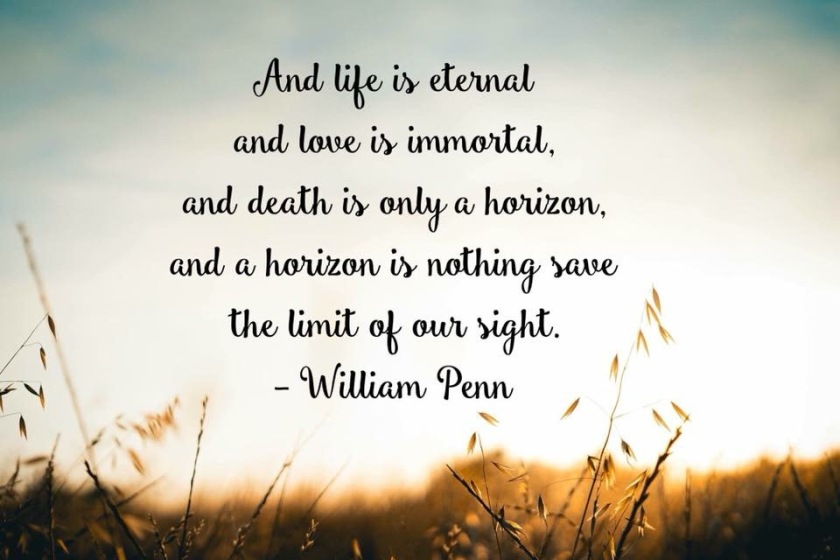
I’ve never hidden the struggle and pain of this journey.
But I don’t want those who are fresh in grief to think that how they are feeling TODAY is the way they will feel FOREVER.
By doing the work grief requires, making wise choices and holding onto hope a heart does begin to heal.
I am not as fragile today as I was on the first day.
And I am so, so thankful for that. ❤














 thelifeididntchoose