No matter how a child leaves this earth, it’s traumatic.
And trauma rewires our brains.
The “fight or flight” response that had previously been reserved for truly life-threatening situations gets woven in with memories and feelings and our bodies remain on high alert.
So before we know it, all kinds of ordinary, daily, and definitely not life-threatening situations evoke rapid heartbeat, shortness of breath, anxiety and fear. And the absolutely reasonable response is to get away from those things that make us feel that way.
So we do (or try to!).
We find ourselves running away from people who love us, who want to help us but who just might not understand why we’re running. We cocoon in our homes, in our own bodies and try to find that one safe space where fear and anxiety can’t find us.
But there is no such absolutely safe space.
Trauma rewires our brains, it’s true.
They can be rewired again.
So many good therapies are available for those of us who suffer in silence. Many are based on using physical cues to help a brain learn to distinguish between truly dangerous and only the memory of dangerous.
It is possible to venture out in the world again, to reach for and sustain connection, to lean into company instead of shying away.
It happens most often as I am drifting off to sleep.
There is this one spot on the bedroom bookshelf where my eyes landed that first night-one paperback spine that instantly transports me to the moment I had to close my eyes on the day I found out my son would never come home again.
And it is fresh.
Absolutely, positively fresh.
Like “just happened” fresh.
You’d think that nearly twelve years of intervening experience, nearly twelve years of grief work, nearly twelve years of trying so darn hard to learn to tuck that feeling away deep down so it can’t escape would have worked whatever magic time is supposed to work.
But it hasn’t.
Oh, most days I can lock that lid down tight. I can distract my mind, busy my hands and keep my heart from wandering too close to despair.
Darkness though.
Shadows and silence and stillness give room for the memory to rise to the surface.
No matter how a child leaves this earth, it’s traumatic.
And trauma rewires our brains.
The “fight or flight” response that had previously been reserved for truly life-threatening situations gets woven in with memories and feelings and our bodies remain on high alert.
So before we know it, all kinds of ordinary, daily, and definitely not life-threatening situations evoke rapid heartbeat, shortness of breath, anxiety and fear. And the absolutely reasonable response is to get away from those things that make us feel that way.
So we do (or try to!).
We find ourselves running away from people who love us, who want to help us but who just might not understand why we’re running. We cocoon in our homes, in our own bodies and try to find that one safe space where fear and anxiety can’t find us.
But there is no such absolutely safe space.
Trauma rewires our brains, it’s true.
They can be rewired again.
So many good therapies are available for those of us who suffer in silence. Many are based on using physical cues to help a brain learn to distinguish between truly dangerous and only the memory of dangerous.
It is possible to venture out in the world again, to reach for and sustain connection, to lean into company instead of shying away.
Some are snatched away when life has barely begun while others live a bit but not long enough. Even those whose lives span decades seem gone too soon for those left behind.
Dominic died just six weeks short of his twenty-fourth birthday.
My mother lived four days past her eighty-first.
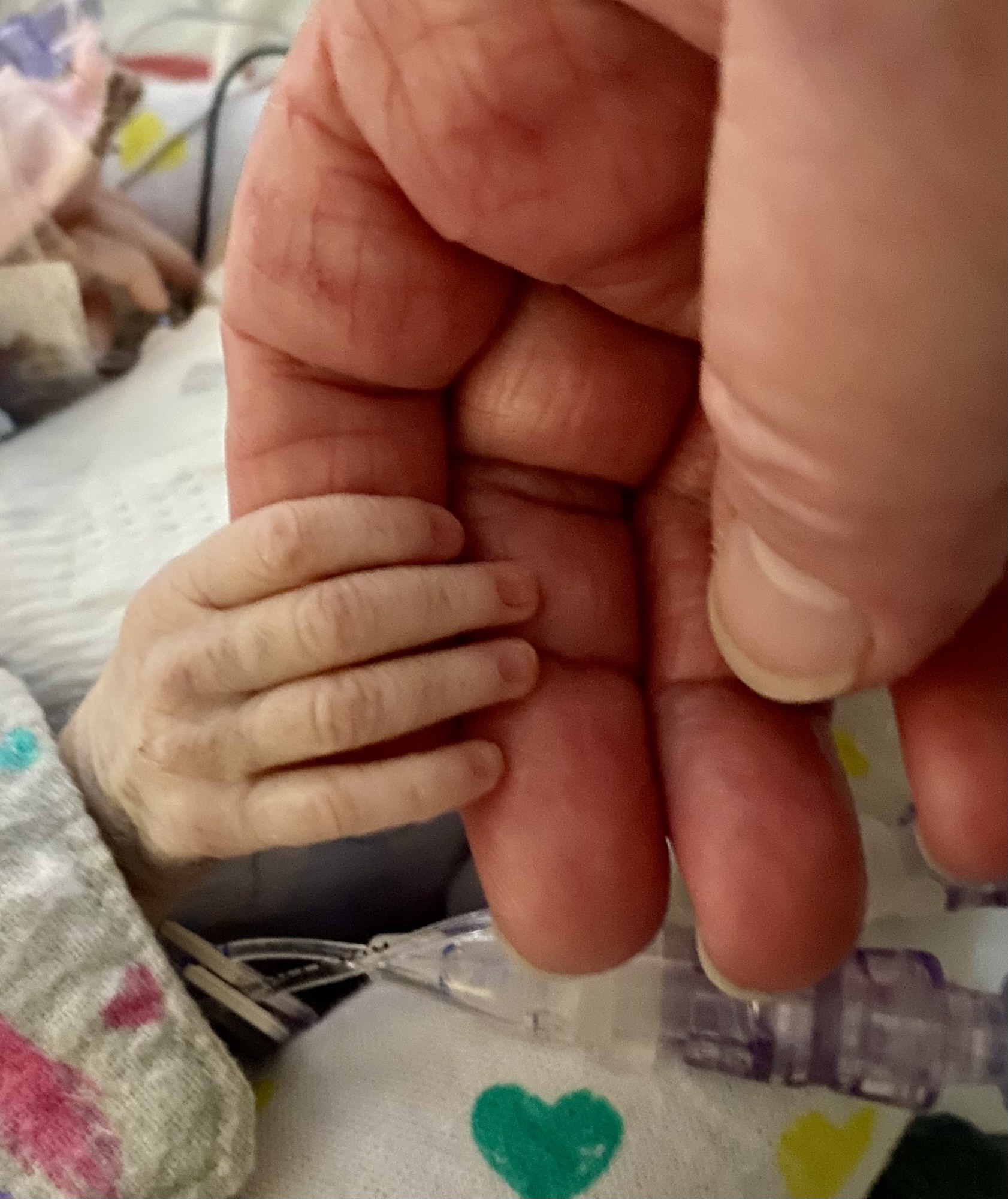
My beautiful granddaughter Holly had only two weeks on this earth.
We didn’t expect any of them to leave us when they did. Yet, here we are.
A day dawned that did not include them and there will be a sunrise that does not include me.
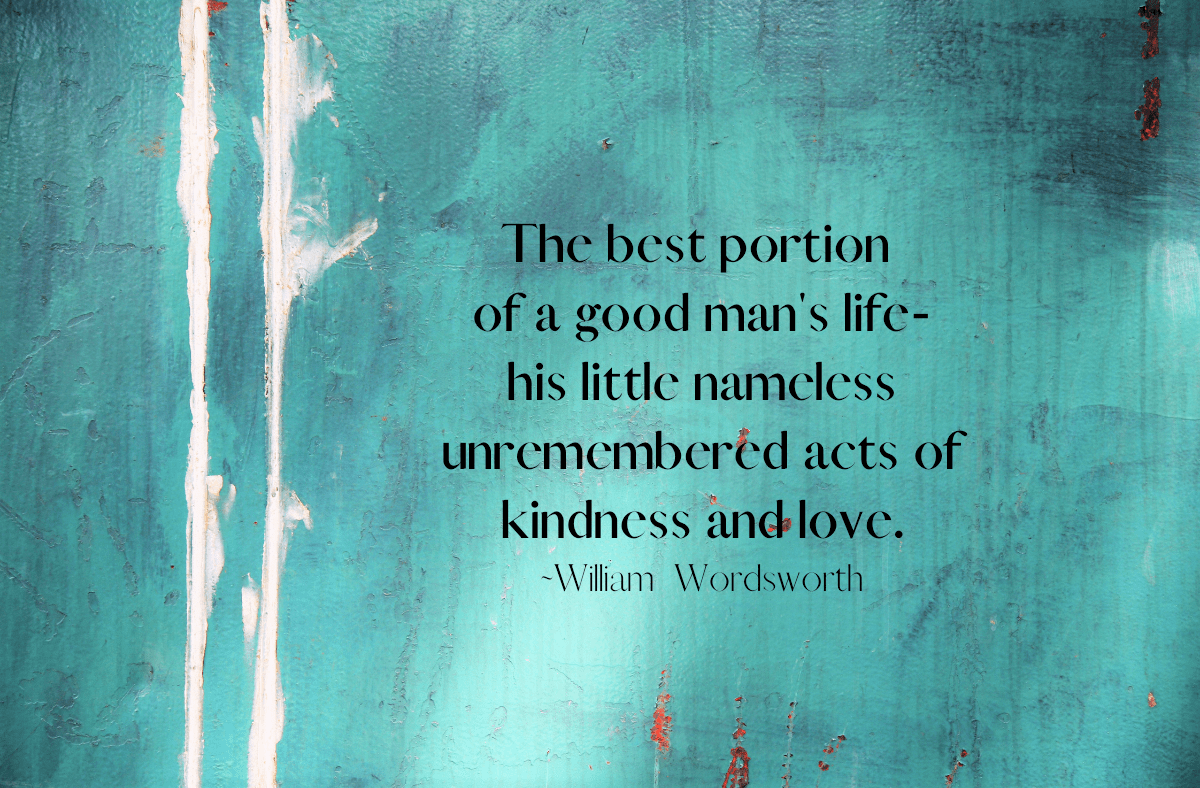
There is a limit to my opportunity to leave a legacy of love, of influence and of purpose to those who come behind. I want it to be one that lasts, that matters and that has eternal impact.
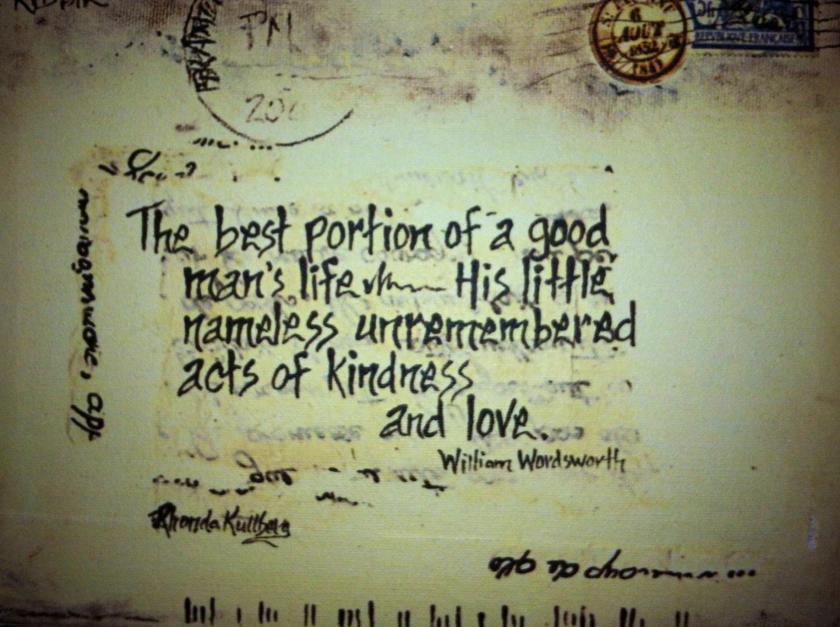
That’s why it matters how I spend my days.
Because days make up weeks which make up months, years and decades and then it’s over.
That doesn’t make me sad-because what comes next is more wonderful than what I have here-no matter how wonderful I think it is.
But it makes me thoughtful.
Paul reminds the Ephesians:
“Look carefully then how you walk!
“Live purposefully and worthily and accurately, not as the unwise and witless, but as wise (sensible, intelligent people), Making the very most of the time [buying up each opportunity], because the days are evil. Therefore do not be vague and thoughtless and foolish, but understanding and firmly grasping what the will of the Lord is.”
While the days are often long, the years are short.
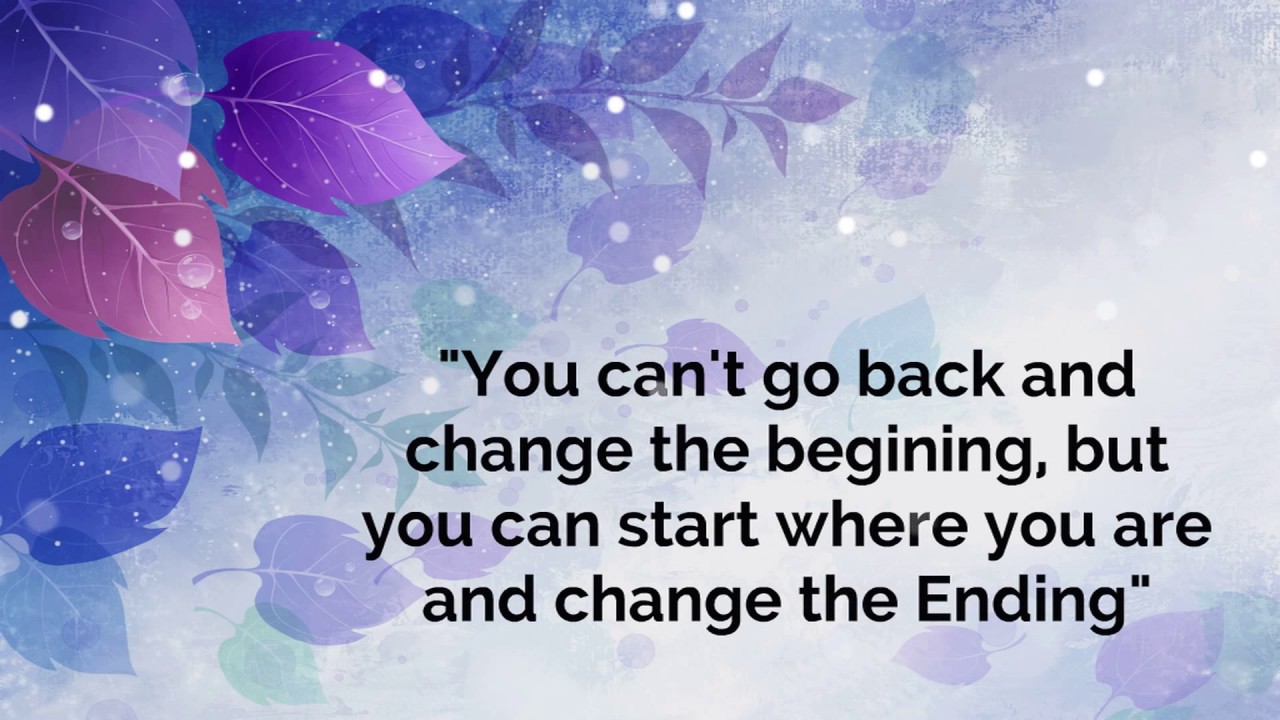
I don’t get a “do over” but I can do better.
God has prepared good works for me to do. My responsibility is to look for them and to do them.
I LOVE these verses in Ephesians:
Now God has us where he wants us, with all the time in this world and the next to shower grace and kindness upon us in Christ Jesus. Saving is all his idea, and all his work. All we do is trust him enough to let him do it. It’s God’s gift from start to finish! We don’t play the major role. If we did, we’d probably go around bragging that we’d done the whole thing! No, we neither make nor save ourselves. God does both the making and saving. He creates each of us by Christ Jesus to join him in the work he does, the good work he has gotten ready for us to do, work we had better be doing.
Ephesians 2:7-10 MSG
Do you hear what Paul is saying?
God saved us from sin and death. But that’s not all!
He saved us TO a life of loving service. And He’s already set the opportunities in place for us to simply take advantage of as we walk on in our lives!
I don’t have to go out of my way to find them. I simply have to offer up myself as a living sacrifice and trade my will for His.
God never wastes anything.
Not even suffering.
I’ve served in some capacity within my local Body for my entire adult life. But when Dominic died, I found I was so broken I couldn’t do it anymore. I had to step back, nurse my shattered heart and try to heal.
But about a year and a half after he left for Heaven, I felt God nudging me to try again.
So I did.
I started sharing my struggle, my faith and my experience in daily blog posts.
What began as kind of grudging obedience to God’s prompting has become a lifeline for me and for other bereaved parents.
It takes time. It takes effort. It takes commitment.
And there are days when I don’t want to do it.
But I’m convinced it’s one of the works God prepared beforehand that I should do.
There will be a day when my work will cease and the book will be closed on my earthly life.
Until then, I will strive to remember what Jesus told His disciples: “While it is daytime, we must do the works of the One who sent Me. But when the sun sets and night falls, this work is impossible.” (John 9:4 VOICE)
What has God equipped and called YOU to do?
What experiences in your life, gifts and talents, opportunities is God weaving together so You can do the good works He’s placing in your path?
Someone needs you to share YOUR story.
Someone needs you to help them connect THEIR story to God’s story.
“Today is a gift, that’s why they call it the present.” ~unknown
Do we treat each day as a gift from a loving God, a present wrapped up in His grace and goodness, to be opened with joy, used with care and set lovingly on the shelf of life when done?
Or do we bear it as a burden?
I’ll admit not all days are equal.
Some ARE burdens.
No one (I don’t think!) loves going to the dentist. Few of us are keen on doing taxes or taking tests or slogging through the rain to work or school.
Some of us have much heavier burdens as we wake to an empty bed, an empty heart or an empty bank account.
But even these awful days are a gift.
Why?
Because God’s mercies are new every morning. The rising sun brings fresh opportunity to rest in, rely on and relish God’s grace, goodness and promised strength.
And every new day means we have more time.
More time to love the people we love, more time to find new people to love, more time to do the good works which God in Christ has planned for us to do.
We wake each morning to the same 24 hours given every other soul on this planet. It’s ours to choose.
How will we spend it? Will we fill it with foolish things? With important things?
Here’s how I do it:
Put the significant and essential things in first. Time with the Lord, time with family, time with my own thoughts. (Orienting my heart and mind to what truly matters first thing makes the rest of the day so much better.)
Then the necessary. Work, school, chores, appointments, cooking and meals. (No way around having to do these things, but I can still choose to fit them in AFTER the most important and valuable ones.)
Finally, the incidental things. Facebook, television, window (internet) shopping, binge watching Netflix. (So hard to discipline my heart to focus on what will truly make a difference instead of distracting myself with the trivial.)
And surprisingly I manage most days to get it done(even checking social media).
Life is not an emergency, although I often live as if it is.
I careen around the corner of hour after hour like I’m driving a car out of control, begging someone to make it stop.
I can make it stop.
I can take my foot off the accelerator, park it and decide where and how fast I’m going to drive tomorrow.
Every single day is an opportunity to choose.
I can start fresh and make time for the things that are truly important.
Most folks would count the date of death and maybe the date of burial or memorial service.
But a mama’s heart counts it ALL.
I count the day he left, the day I was first able to view his body, the days of visitation, the day of the funeral and burial.
I count the day we cleaned out his apartment.
I count the day I notified credit card companies he would no longer require their services.
I count the day I received the death certificate.
I count the day I got his posthumous diploma.
And every year these dates roll around again to remind my heart of the pain I felt then and to pierce it afresh.
So how does a heart survive all these grief anniversaries? How can I navigate the minefield of emotions and triggers that only I can see?
I believe the first step is to embrace them and not try to deny them.
I remember the horror I felt when I realized I had survived 365 days since the deputy came to my door when I was certain I wouldn’t make it through the first 24 hours. It did not feel like victory, it felt like betrayal.
How in the world could my broken heart keep beating if I truly loved my son?
I cannot, by force of will, fend off the feelings that are sure to invade my heart when it recognizes that another year has passed.
The most important thing is to have a plan, I think. That way it doesn’t slam you against the wall unawares. The feelings are impossible to outrun, but having a plan means you are anticipating them and in a kind of “fighting stance”.
The plan might be to go away or to go to the cemetery or other spot that evokes strong connection to your child. It might be an elaborate gathering that includes friends or family or just lighting a candle next to a photograph. Your heart may insist you stay in bed all day, covers over your head and wait out the ticking moments.
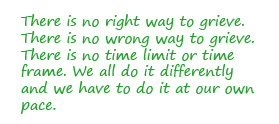
I think each family has to approach the day however makes sense to them. There is certainly no “right” way or “easy” way to do it.
I am sorry you have to do it at all.
Here’s the truth: evenTHATday will only last 24 hours. Just like the awful day when your child left you.
However you manage to survive is fine.
You are not abandoning your missing child if you don’t make a big public display. You are not forgetting him or her if you let go of some of these grief anniversaries over time-you are learning to carry the load. You are not a bad parent if you choose a getaway to distract your heart from the pain.
You are coping the best you can-choosing to carry on.
Mainly because what usually determines THAT is something that happens (or doesn’t happen) at some point after my morning quiet time.
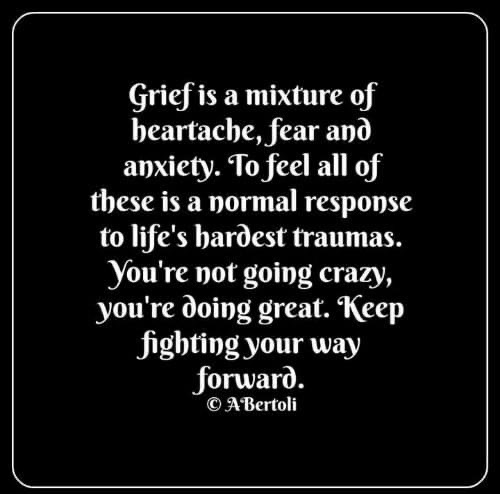
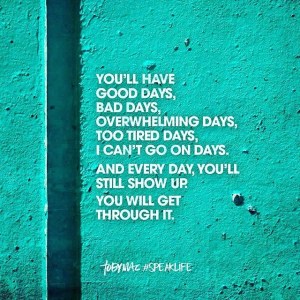
But whether it’s a good day, a bad day or somewhere in between, it is absolutely, completely, utterly NORMAL for my emotions to change as I make my way down the path called “Child Loss”.
As long as I am doing the work grief requires I will continue to have some better days.
But grief still comes in waves in response to triggers or in response to nothing at all and it may be a bad day.
How well did I sleep, rest, eat or exercise? My body affects my emotions in ways I don’t fully understand but absolutely experience.
Stress can bring tears to the surface. Even GOOD stress can do it. Looking forward to things, planning a party, large meal, trip or event is stressful, even if it isn’t sad. All stress weakens my defenses and makes it harder to employ the techniques I’ve mastered for diverting my thoughts or controlling my tears.
Sunshine or rain? I have learned to count the number of recent cloudy days if I wake one morning feeling bluer than normal. I often realize that a week or more has passed since I’ve seen the sun.
Too much interaction or too little interaction with other humans makes a BIG difference. My introvert self loves long afternoons alone, sitting in silence with a book or crochet, quiet walks in the woods and chore-filled days without music blaring. But healthy solitude can turn to withdrawal if I let it and sometimes I realize my sudden sense of overwhelming grief is, in part, due to lack of human company.
The list is endless.
Thankfully, at nearly twelve years, the better days outnumber the worse ones for me.
But no matter what kind of day it may be, I no longer worry if it’s normal.
Oh, the early days, weeks and even years of grief!
I was a giant walking nerve.
Every sight, sound, smell or even touch that reminded me of Dominic evoked a wave of sorrow that almost always ended in tears.
I cried in the grocery store, walking past Bath and Body Works in the mall, driving down the road when certain songs came on the radio, tidying up drawers and finding a long lost and forgotten something that Dominic tucked away for later.
Sometimes I just wanted to scream, “Don’t you know my son’s not here??!!”
But of course I couldn’t do that and walk around in society.
So the triggers were an outlet for that pent up energy, angst and sadness.
It was awful.
Especially when what I set out to do was something I really needed to do. I’d leave the house with a list of places to go, things to buy and people to see but often return having done only a fraction of it.
I’m better at it now.
I’ve grown stronger and am more skilled at carrying the burden of the disconnect between my heart and other hearts who haven’t experienced deep pain and loss.
I’ve learned how to fix my eyes on some distant point if cornered by a well-meaning friend asking how I am but not really wanting to hear about how Dominic’s death continues to impact our family.
I press my fingers together hard in an attempt to stop the sorrow rising up and threatening to undo me until I can escape to the bathroom, a quiet corner or my car.
And I’ve learned not to be ashamed of the tears that fill my eyes and slip down my cheek despite all my best efforts no matter where I am.
It seems to be the nature of humans to listen with an ear to respond rather than an ear to hear.
I’ve done it myself.
Jumped right in with all kinds of suggestions designed to “fix” someone else’s problem.
Or worse, heaped my own experience with something more or less (often less) similar onto an already overburdened heart.
I hate that tendency in myself and I’m working hard to try to change it.
Those who feel compelled to just say SOMETHING often bombard grievers with platitudes, comparisons to their own grief or just empty, frivolous words that require we either stand there dumbfounded or find a gracious way to exit the conversation.
It’s especially painful for a broken heart when a well-meaning someone decides THIS is the moment for a theology lesson.
“God has something planned for you in this” or “God will use this for good”. (Romans 8:28-29)
“We don’t grieve as those without hope!” ( I Thessalonians 4:13)
“All our days are numbered.” (Psalm 139:16)
I get it-death is a heavy subject and the death of a child isn’t something anyone wants to talk about, contemplate or be forced to wrestle with. So it’s often easier to simply say something-anything-do your duty and walk away.
But it is hardly helpful.
Deep grief as a result of unbearable loss is not a teaching moment.
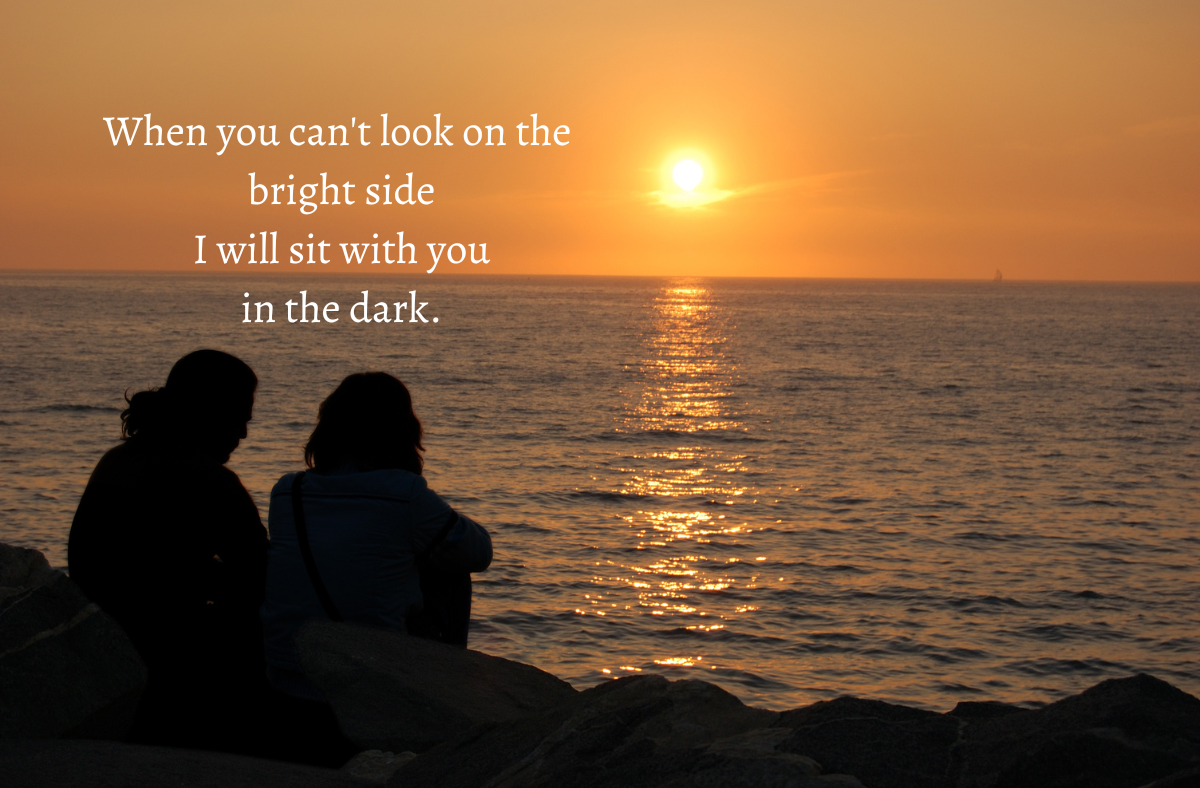
It’s an opportunity to listen well, think carefully about if or when you need to say anything and simply offer compassionate companionship to a broken heart.
Grieving felt hardly like the time for being taught, at least initially. Early grief was my time for pulling out of my past those truths that I had already learned — out of my ‘basement — so that I could begin to assemble them together into something even more meaningful to me than before. It was the time for understanding that even though I had always believed in heaven, it now looked to my perceptions to be more real than this world. It was the time when, even though I already believed in God’s control of the world, I now felt dependent upon him being sovereign over it for all my hopes. It was the time for realizing that even though I already believed that Christ conquered death, I now longed to see death die.
Every time I come home from a retreat, a conference or a bereaved parent support group meeting I am reminded again that the range of “normal” in grief-especially child loss-is so very wide.
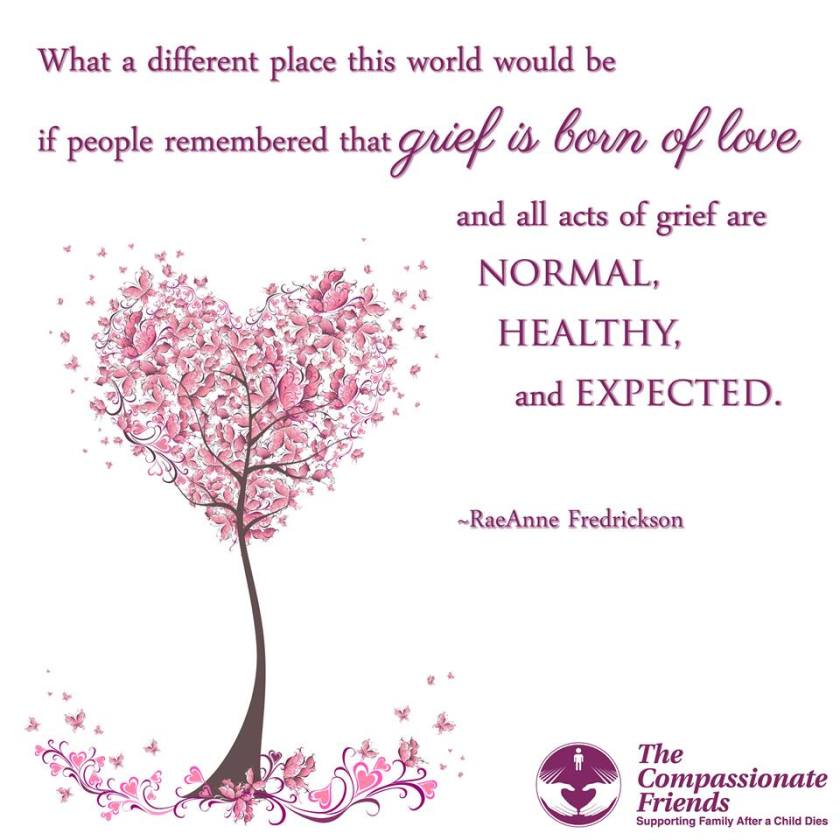
Still crying after a decade? Absolutely normal.
Trouble getting dinner on the table or remembering your child’s school schedule? Yep. That’s normal.
Struggling with crowds, back-peddling on commitments, feeling trapped by phone conversations, shopping when you are least likely to run into someone you know? Perfectly normal.
Our losses range from very recent to decades old and we all acknowledge that our behavior, our feelings, our ability to handle change, nearly every aspect of our lives is impacted by the death of our child.
So if you are wondering if your expression of grief is normal, it is.
Our lives were shattered.
Our hearts were broken.
Picking up the pieces, whatever that looks like, is absolutely, positively normal.


:max_bytes(150000):strip_icc():format(webp)/ptsd-treatment-2797659_FINAL-5c12be374cedfd00010f866a.png)




















 thelifeididntchoose