Bereaved Parents Month 2026: Supporting Surviving Siblings

Grieving parents often face the additional challenge of trying to help their surviving children process the death of a sibling.

While there are many factors that influence how a particular child understands and works through his or her grief, age at time of bereavement plays a significant role.

Children’s grief can look very different than that of the adults around them. And that grief may resurface later on as the child grows and matures, even long after the death of a loved one.

I came across this helpful article that lists common bereavement reactions by age group and have reprinted it in its entirety. It was originally published at KidsHealth New Zealand. http://www.kidshealth.org.nz

Key Points to Remember About Bereavement Reactions:

  • how any child or young person grieves when someone they love has died will depend on many things
  • babies, children and teenagers tend to grieve in bursts, and at other times will look for reassurance and comfort in their normal routines and activities
  • bereaved children and teenagers will need ongoing attention, reassurance and support – it is not unusual for grief to resurface later on, even well after the death

How any child or young person grieves when someone they love has died will depend on many things, such as their:

  • age
  • gender
  • their developmental stage
  • personality
  • ways they usually react to stress and emotion
  • relationship with the person who has died
  • earlier experiences of loss or death
  • family circumstances
  • how others around them are grieving
  • amount of support around them

Babies, children and teenagers may often seem unconcerned, playing or doing their usual activities, so adults can assume they are not properly aware of the death, or affected by it. They are, but in their own ways. Babies, children and teenagers tend to grieve in bursts, and at other times will look for reassurance and comfort in their normal routines and activities.

Bereaved children and teenagers will need ongoing attention, reassurance and support. It is not unusual for grief to resurface later on, even well after the death. This can happen as they move through different life milestones, and develop as individuals.

Babies and Toddlers:

At this young age babies and toddlers don’t have an understanding of death nor the language to say how they are feeling. However, they can definitely experience feelings of loss and separation and are likely to pick up on the anxiety or distress of close adults or others around them.

Common reactions can include:

  • looking for the person who has died
  • being irritable
  • crying more
  • wanting to be held more; being clingy
  • being less active – quiet, less responsive
  • possible weight loss
  • being jumpy, anxious
  • being fretful, distressed

How to help them:

  • keep routines and normal activities going as much as possible
  • hold and cuddle them more
  • speak calmly and gently to them – and be calm around them
  • provide comfort items, such as a cuddly toy, special blanket etc
Preschoolers

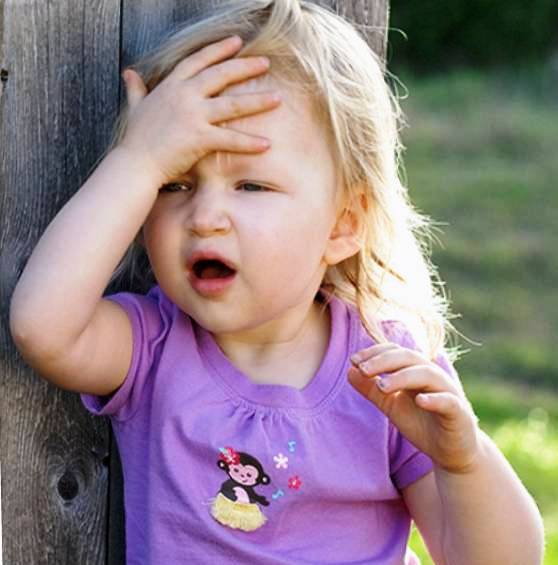
At this age children find it hard to understand that death is permanent. They are also at a stage of magical thinking, for example, thinking someone will come alive again or thinking somehow they made someone die. They understand separation though, and feel insecure and frightened when the familiar things around them change. This age group needs a lot of reassurance that they will be safe and looked after.

Common reactions can include:

  • looking for the person who has died
  • dreams, or sensing the presence of the person who has died
  • fearfulness, anxiety
  • clinginess
  • being fretful, distressed
  • being irritable; having more tantrums
  • withdrawing, being quiet, showing a lack of response
  • changes in eating
  • difficulty in sleeping
  • toileting problems, bed wetting, soiling
  • regressing in progress; for example, returning to crawling, wanting a bottle

How to help them:

  • keep routines and normal activities going as much as possible
  • tell them you know they are sad – start to teach and use words that describe feelings
  • tell them they are safe, and who is looking after them
  • keep separated from them as little as possible
  • comfort them with hugs, cuddles, holding their hand, and by encouraging them
  • speak calmly and gently to them – and be calm around them
  • explain death as part of life, so they come to understand it bit by bit. Using some examples in nature may be helpful, such as watching plants grow, bloom and die or seasons change
  • provide comfort items, such as a cuddly toy, special blanket etc
  • encourage play – children can often use play to help them process what’s happened; for example, sand play, puppets, dolls, writing, drawing, painting and various physical activities

Primary School Children

Primary school children are still learning to understand death and can have some confused thoughts about it. They may think death is temporary, or that the person who has died may still feel things, such as coldness, hunger or loneliness etc. They may ask where the person is now, and have blunt questions to ask about what happened to them and to their body. Explaining death to them is very important.

Common reactions can include:

  • looking for the person who has died
  • having dreams about, or sensing the presence of, the person who has died
  • blaming themselves for the death
  • being easily distracted, forgetful
  • being anxious; having increased fears, such as of the dark, of others’ safety
  • clinginess – wanting to be near you or others more
  • withdrawing, being quiet, showing a lack of response
  • being fretful, distressed, not wanting to go to school
  • feeling embarrassment; feeling different from others; may conceal their loss
  • physical complaints, such as tummy aches, headaches, aching
  • being irritable, having more tantrums, being defiant, or developing antisocial or aggressive behaviour
  • changes in eating or sleeping habits
  • toileting problems, bed wetting, soiling

How to help them:

  • frequently reassure them they are safe, and who is looking after them
  • keep routines and normal activities going as much as possible
  • tell them you know they are sad – start to use words that describe feelings
  • keep separated from them as little as possible
  • allow questions and provide honest answers
  • comfort them with hugs, cuddles, holding their hand, and by encouraging them
  • speak calmly and gently to them – and be calm around them
  • explain death as part of life, so they come to understand it bit by bit. Using some examples in nature may be helpful, such as watching plants grow, bloom and die or seasons change
  • let them help in planning the funeral or something to remember the loss
  • provide comfort items, such as a cuddly toy, special blanket etc
  • encourage play – children often can use play to help them process what’s happened; for example, sand play, puppets, dolls, writing, drawing, painting and various physical activities

Older Children (10-12 years)

Common reactions include:

All of the above relate to this age group, but it’s important to be aware that by this age children know death is final. They are also more aware of how adults and others around them are reacting to death. This group may also:

  • be especially anxious about the safety of family and friends, and themselves
  • try very hard to please adults and not worry them, and so not let themselves grieve
  • feel stronger emotional reactions, such as anger, guilt, sense of rejection
  • want to take on more adult responsibilities, trying very hard to please
  • feel embarrassment; feel different from peers; may conceal their loss
  • become more focused on what’s happened and ask questions, think about it a lot, have dreams about it, and perhaps want to talk about it often to others

How to help them:

They need all of the help in the previous section plus:

  • time to talk with you and other trusted adults, when they need to
  • regular reassurance – spoken, and with encouraging physical touch (such as hugs, pat on the back etc).
  • honesty about events, and feelings
  • to know you understand their grief
  • regular encouragement
  • avoid expectations of adult behaviour – allow them to be the age and stage they are

Teenagers

By adolescence, death is accepted as part of life, but it may not have affected a teenager personally yet. Their reactions may fluctuate between earlier age group reactions and reactions that are more adult.

Teenagers will often want to be more with friends than family as they seek support. They may find the intensity of emotion overwhelming or scary and not be able to find the words or ways to talk about them with others. They may want to feel they’re coping, and be seen to be, but inside be hurting a great deal, or be putting their emotions on a shelf for a later time.

Death can so shake teens that some react with risk taking behaviour – to escape the feelings and reality and as a source of comfort; for example, drinking, drugs, more sexual contact or reckless driving.

Common reactions can include:

  • being easily distracted, forgetful
  • having difficulty concentrating at school
  • being unsettled in class, a change in class performance, not wanting to go to school
  • being overwhelmed by intense reactions, such as anger, guilt, fear
  • having difficulty expressing intensity of emotions, or conflict of emotions
  • blaming themselves for the death
  • anxiety – increased fears about others’ safety, and their own
  • having questions or concerns about death, dying, mortality
  • dreams about, or sensing the presence of, the person who has died
  • wanting to be near family or friends more
  • withdrawing to be alone
  • physical complaints, such as tummy aches, headaches, aching
  • being irritable, defiant, more antisocial or displaying aggressive behaviour
  • risk-taking behaviour to escape, to comfort, or to prove they’re alive and strong; for example, drinking, drugs, more sexual contact or reckless driving
  • changes in eating, sleeping habits
  • bedwetting
  • jokes or humour, masking feelings
  • saying, or acting like, they don’t care
  • wanting to take on more adult responsibilities, trying very hard to please
  • strained relationships with others – fear or awkwardness about being close to others
  • feeling embarrassment; feeling different from peers; may conceal their loss
  • a sense of loneliness – isolation
  • a change in self-image, lower self-esteem
  • possibly suicidal thoughts
  • possibly moving from sadness into depression

How to help them:

  • be honest and let them know what’s happening
  • be willing to listen, and available to talk about whatever they need to talk about
  • acknowledge the emotions they may be feeling—fear, sadness, anger
  • it can be helpful for parents, or other adults, to share their own feelings regarding the loss
  • frequently reassure them they are safe, who is caring for them, and which adults they can trust to ask for further support
  • keep routines and normal activities going as much as possible
  • talk to them about grief – what it is, that it’s normal, that everyone is different
  • avoid expectations of adult behaviour – allow them to be the age and stage they are, encourage them to express their thoughts and feelings – give them ideas of things they could try, such as doing physical activities, writing, singing, listening to music, talking with friends, reading etc
  • allow questions and provide honest answers
  • comfort them with hugs, cuddles, holding their hand, and by encouraging them
  • speak calmly and gently to them – and be calm around them
  • talk about death together; answer any questions they may have
  • let them help in planning the funeral or something to remember the loss

Bereaved children and teenagers will need ongoing attention, reassurance and support. It is not unusual for grief to resurface later on, even well after the death. This can happen as they move through different life milestones, and develop as individuals.

If you are concerned about any extreme reactions, or if you think the young person may have become depressed, contact your doctor or other trained adviser, such as a counsellor, senior staff member from their school, social worker, community or youth worker or a local family support agency.

Originally published on: http://www.kidshealth.org.nz

Mother’s Day 2026: A Letter to My Living Children*

I shared this for the first time eight years ago.

Before my mother’s illness and death, before the frighteningly early arrival of our little Captain and the less-frightening and less early arrival of his brother, LT, before an overseas deployment, a destructive hurricane, Covid19, and the heartbreakingly short earthly life of sweet Holly, along with too many other stressful events to list.

I have watched my kids meet every challenge-sometimes with grace, sometimes with grit, sometimes with both.

They are different people than they would have been if Dominic still walked beside us. They know things their peers can’t even guess.

We all lost so much when we lost Dom. But we still have each other.

And that’s a treasure.

I never thought it possible to love you more than I already did.

But I do.

Your brother’s untimely departure has opened my heart in a whole new way to the glory that is your presence.  It has made me drink you in like water in the desert.

Read the rest here:  A Letter To My Living Children*

Grief Work 2025: Setting Aside Time to Grieve

One of the trickiest parts of life as a bereaved parent is navigating the space between our surviving children and the giant hole left by the one (or more) who have run ahead to Heaven.

There are so many ways I might cling too hard to what’s lost and not lean hard enough into what continues to bring blessing and beauty to everyday life.

I’ve learned it’s best to find quiet moments in which I can journal the feelings that might be unhelpful or downright hurtful to express to others.

 ❤ Melanie

One of the commitments I made out loud and in my heart the day Dominic left us was this:  I was not going to let his death tear my family apart.  

I was not going to let him become the sainted brother that stood apart and above his siblings.  

I was going to continue to give as much of my time, effort, love and presence to each of the three I had left as I had done when there were four on earth beside me.

I’ve been more or less successful in keeping this promise.

I have no doubt that if you asked my living children, they could give you examples when I’ve failed.  Some days are just too much.  Some events are too hard to attend.

Some moments I am overwhelmed

and undone

and there’s no way to hide it.  

But I’ve learned a few things that help me be present, attentive and joyful for the beautiful things that are happening around me.

One of those is to set aside time whenever possible to “pre-grieve” an upcoming celebration or gathering.

hand-coffee-roosevelt

I allow my heart to feel all the things it needs to feel.  I journal the questions and comments and (sometimes) anger that would otherwise overflow and ruin a moment.  I write to Dominic and tell him how much I miss him, how much I wish he were here and how very hard it is to mark another happy occasion without him.

I mentally rehearse walking in, greeting people, making small talk. 

I think ahead to any big moments that might tap emotions I need to hold in check.  I even plan an “escape route” should I need it. Just knowing it exists has always been enough so far. 

Sometimes I find a song that suits my mood.  

I cry.  

And then I choose a token I can wear or slip in my pocket to remind me that I’ve got this.

I can show up and smile (honestly) because I’ve already loosed the dam of grief and let the stored up torrent flow over the spillway.

I’ve learned the hard way that memories are precious.  I don’t want the ones I’m making now to always be tainted by sorrow and loss.  

Dominic is never far from my thoughts and always in my heart.  

I’m not abandoning nor forgetting him.

I honor him by honoring his siblings.  

Love lives.  

happy birthday balloons no words

It’s Important to Model Grief for Our Children and Grandchildren

It’s tempting to try to hide our tears and fears from our living children and grandchildren.  

Who wants to overload a young heart and mind with grown-up problems?

There is definitely a place and time to shelter little people-it’s never appropriate to offload onto small shoulders what we just don’t want to carry ourselves.

But it is neither helpful nor healthy to pretend that sorrow and sadness don’t follow loss.  

Read the rest here: Why It’s So Important to Model Grief For Our Children & Grandchildren

Bereaved Parents Month 2023: Life Grows Around Grief

When days become months and months become years it’s hard to explain to others how grief is both always present but not always in focus.

I’ve struggled to help those outside the loss community understand that the absolute weight of the burden is precisely the same as when it fell on me without warning that dark morning.

Dominic’s absence, if anything, has seeped into more places, changed more relationships and influences more choices than it did seven years ago when I was only just beginning to comprehend what a world without him would look like.

Read the rest here: Life Grows Around Grief

Holidays Are Often Hard-What To Do About Mother’s Day?

This will be the tenth Mother’s Day since Dominic ran ahead to Heaven.

Every year has been different because families continue to grow and change and the world turns and life marches on.

Every year presents unique challenges and particular paths that must be navigated anew. It’s always an emotional roller coaster.

Read the rest here: Holidays Can Be Hard-What To Do About Mother’s Day

Holidays Can Be Hard-What To Do About Mother’s Day

This will be the [twelfth] Mother’s Day since Dominic ran ahead to Heaven.

Every year has been different because families continue to grow and change and the world turns and life marches on.

Every year presents unique challenges and particular paths that must be navigated anew. It’s always an emotional roller coaster.

The Captain, March 2019

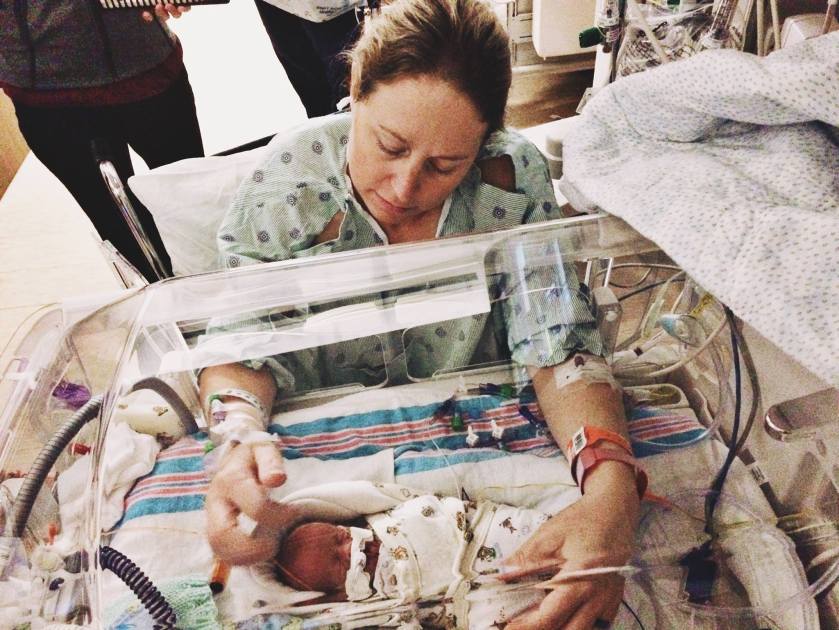
{Six} years ago our family welcomed a first grandchild. His frightening entrance into the world made his life all the more precious and Mother’s Day gave us a chance to celebrate him, his mama and the fact that his story has a happy ending.

The Captain, April 2020.

March, 2022 we welcomed his brother-also a bit early but not nearly as perilous! Once again we give thanks that things have turned out well.

Coming home!! Big brother is so excited.

This year I’ll be a motherless child when the sun rises tomorrow. For the [sixth] time in my life, I won’t be able to see or telephone my own mother. Another light and life lost from sight.

Dominic and Mama in Heaven together.

Julian, Dominic, Mama, James Michael & Fiona

Every year my living children work hard to celebrate me even when they are unable to make it home.

I always feel loved.

This image has an empty alt attribute; its file name is fiona-and-brandon-wedding-boys-and-fiona.jpg

So what’s a mama to do when her heart is torn between the very great and beautiful blessings of her living children and grandchildren and the very great and devastating sorrow of missing her child in Heaven?

Since discovering there is an International Bereaved Mother’s Day my heart has taken advantage of having a day to think about and honor Dominic and then another day to think about and honor my living children.

I also rise early enough on Mother’s Day to have time alone with my thoughts and feelings.

I walk my heart through the upcoming hours and “pre-grieve” moments where I’ll be looking for Dom among the faces at the table or around the room. I remember the gift of his life and place it in context of the gift of each of my children.

I thank God for my family.

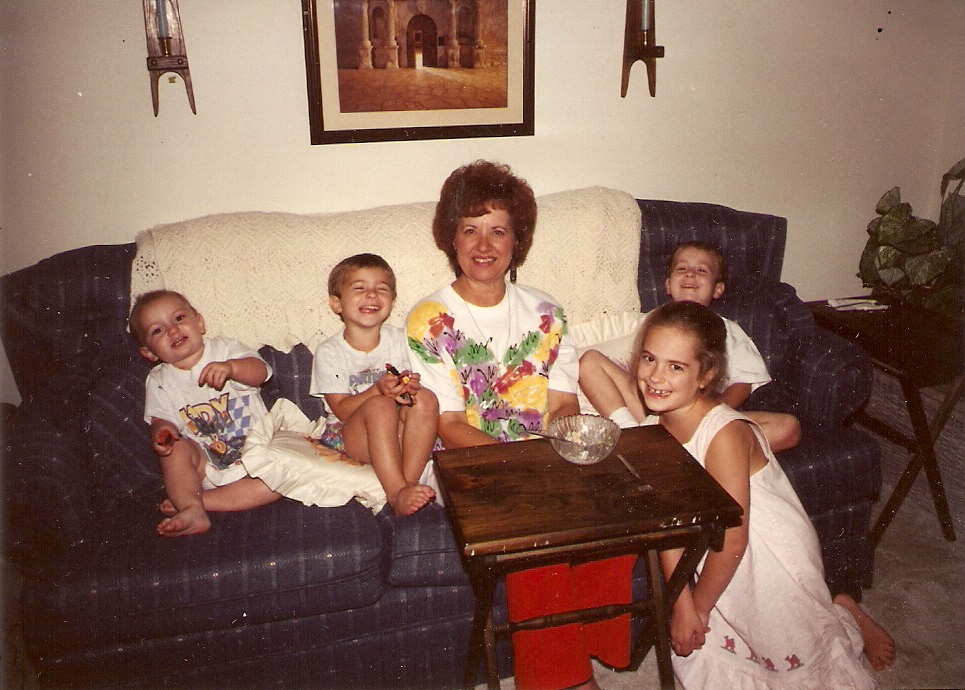
Thanksgiving years ago, when we were all younger and all here on earth. One of my favorites. 

And then I get up, get dressed and open my heart to the love I have in front of me.

I never, ever want my living children to think that their brother’s ABSENCE is more important or more precious to me than their PRESENCE.

My mama’s heart has room for all of them as it always has.

And as it always will.

The Gift of Celebration

If you’ve just joined this awful “club” the thought of celebrating anything may make your heart shrink and your eyes fill with tears.

I understand!

That’s precisely the way I felt for a very long time. Not because I didn’t think there were still oh, so many things and people worth celebrating, but because I couldn’t remember what joy felt like much less experience it.

My heart was filled to the brim with pain, sorrow, longing and fear-there just wasn’t room for anything else.

Still, I kept up the discipline of celebration even when I wasn’t feeling like celebrating.

Slowly, slowly, slowly, as I picked my way through memories and feelings and did the  work grief required, I made space in that broken heart for other things.

And now I can testify that celebration is once again a gift!

I not only mark the big things-like birthdays and holidays-but also the little things-like making muffins with my grandson.

Any and every excuse for a photo or a cupcake!

Today is my oldest son’s birthday and his dad and I are here to celebrate it with him for the first time in I don’t honestly know how many years. I am happy to make him a yummy meal (or take him to a favorite restaurant) and buy a special treat to mark the day he said “hello” to the world.

And I’m more than happy to spend time with him and watch as he pours into his own son some of the love and life we’ve poured into him.

So if you aren’t “feeling it” try faking it or at least showing up.

Eventually there will be a moment when your heart once again embraces joy.

Then hold on with both hands! ❤

Holidays: Every Year is Different

I admire those families that have holiday plans pinned down for next year by the time they box up this year’s Christmas decorations.

Somehow we’ve never perfected the art of predictable patterns and unchanging life circumstances that make such a thing even possible.

So while we try to observe some of the same traditions from year to year, they tend to be expressed a little differently each time.

Of course, the year Dominic left us EVERYTHING changed.

“Changed” isn’t even really the right word. It was more like everything just stopped. Holidays were out of place in a world where all the color had faded to gray. What heart can make merry when all it feels is sorrow and despair?

Even still, the calendar beckoned and we muddled through the first Thanksgiving and Christmas as best we could.

This will be the eighth (!) holiday season since Dominic ran ahead to Heaven.

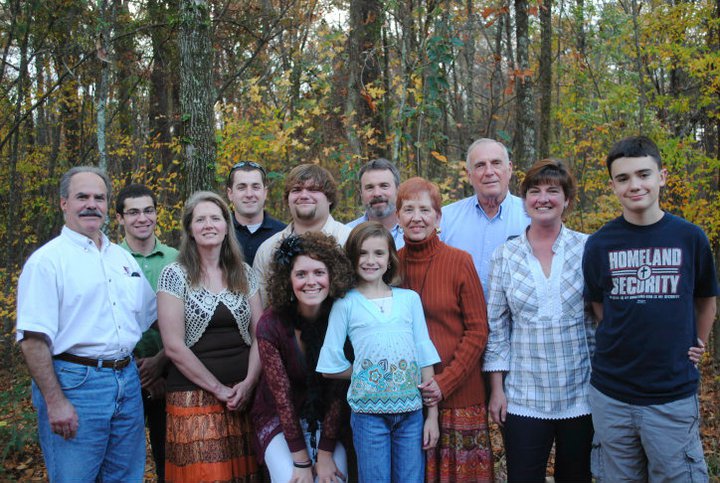
My children are all adults with established careers living away from home. We’ve added to the family circle through marriage and childbirth and we’ve had to say “see you later” to my mama who joined Dom with Jesus in 2019. Of course, like so many others, Covid interrupted last year’s celebration.

The past two years have been filled with travel (some planned, some unexpected) including a trip this week out to Texas to spend time with my son’s family.

So I find myself only days away from Thanksgiving without a concrete plan for when we will actually get together around the table and what, exactly, might be on it when we do.

(Please don’t ask me about Christmas yet!)

It’s more than a little uncomfortable for this gal who loves lists and planning and decorating to choose flexibility and flying by the seat of my pants. And it’s very uncomfortable to be the point of contact for various family members who are used to me having answers instead of more questions when they call to find out when they should show up and what they should bring.

But if there’s one thing I’m learning in this life after loss it’s this: Control is an illusion. All the planning in the world can’t account for random and unexpected.

I’m going to make some phone calls today to try to figure it out.

I’m pretty sure we will have plenty to eat, plenty to say and plenty of room for whoever shows up.

Hugs all around!

And pie for dessert.

Grief Doesn’t Stay The Same

The first time I shared this post was two years ago-before my mother’s death.

It had been five long years since Dominic left us and I was beginning to notice reliable, positive changes in the heaviness and quality of grief.

Our grandson was born very premature but his story has a happy, happy ending! He’s growing even more and is such a delight.

There have been other changes too-Covid19, social isolation and my husband’s retirement-all impacted daily life and how I experience Dom’s absence.

I want to offer this bit of hope for those who are just beginning the awful journey of child loss-the pain softens, I’ve grown stronger and better able to carry it, and life, in all its varied forms keeps going.

There ARE some beautiful things ahead.

Hold on.

❤ Melanie

This life is not all sadness and sorrow, death and darkness.  

It was.  For a very, very long time all I could see was distant flickers of light.  

They were just enough to keep me going but not enough to lift the utter blackness that surrounded me.  

Read the rest here: Grief Changes