Grief Brain: It’s a Real Thing! PART TWO: Coping Strategies

So now that you know you aren’t going crazy, what to do?

Give yourself grace-understand that the old you is not the new you.

griefbrain

You will not be able to overcome these very real changes by sheer force of will. No matter how talented or together you used to be, it’s unlikely you can operate on that high plane right now. If you try, you will only exhaust the resources you have left.  

So slow down and make room for how grief has impacted your mind.

talk-to-yourself-as-someone-you-love-brene-brown

There are some basic self-care techniques that bear fruit in every area, not only mental acuity:

  • Eat balanced meals or snacks-It doesn’t matter if you WANT to eat.  Consider that you are fueling your body so that it can feed your mind.  Find a protein bar you like or eat easy-to-make salads or sandwiches.  When blood sugar levels are stable, your mind works better.
  • Get as much quality sleep/rest as possible-This is very hard, I know, when the setting sun brings memories and thoughts that make sleep almost impossible.  But research “sleep hygiene” and apply the techniques that might work for you.  Herbal supplements and teas can help as well as prescription medications.
  • Drink enough water-hydration is so very important and easy to ignore.
  • Limit alcohol and/or other stimulants/depressants -any of which can interfere with your ability to think and remember. (Do NOT stop medication unless you do so in concert with your doctor)
  • Exercise-There’s no need to run a 5K. Just a walk around the block or even around your house can get your blood pumping and providing more oxygen to your brain.
  • Get a physical exam to rule out hypothyrodism, diabetes, heart disease, or any other physical cause for your symptoms.  If prescribed treatment, follow the protocol.

brain-cogs-and-light-bulb

Develop work arounds:

  • I simply admit to people I’m meeting for the first time that I will not remember their name unless and until I use it multiple times, and even then I might forget.  It takes the pressure off so I don’t have to pretend when I see them again.
  • I write down EVERYTHING.  If I put something “someplace safe” I jot down the location in my calendar.  If I make an appointment or need to make a phone call, I write it where I can see it.  If I commit to bring something to a potluck meal, I put down what I promised and when it needs to be there.
  • I ask for help.  Like I said before, if I make lunch plans with friends, I ask that they text me the day before to remind me.  If I need extra time to fill out a form, I speak out-I’ve never had anyone refuse.  If I can’t remember something important, I admit it and look it up.  I have given my family permission to tell me when I’m repeating myself.
  • I maintain routines and habits.  Keys-same place,always. I have a carabiner on my purse to attach them when I leave my truck.  Glasses-same place, always.  Medicines in those little seven-day sorted containers.
  • I use the Internet, mail and telephone calls to expedite things and minimize stressful interactions with people.  If I am going out to a restaurant, I look up the menu online so I’m not forced to make a decision on the spot.  I look up and print directions even though my phone can navigate on the fly.  I call ahead to learn how long a repair will take, if items are available and if my prescriptions are actually ready.  I send letters and cards instead of visiting when I’m feeling overwhelmed.

take-control-of-your-life

Lifestyle choices:

  • I aim for balance:  Harder tasks with easier ones; stressful outings with quiet moments; reading with sewing; outside and inside; work and play.  Switching up seems to help keep me sharper somehow.
  • I don’t overcommit.  When someone asks me to do something, unless it is truly an emergency requiring an immediate answer, I consult my calendar.  If I already have a couple commitments for a week, I beg off or reschedule for another time.  I realize that those working outside the home have far less control over these things but perhaps you might ask your boss for some leeway.
  • I group similar tasks and do one thing at a time.  I find that doing things that require the same skillset on a single day increases my ability to do them well.  Shopping, writing notes, cleaning house are things I schedule for one day at a time.  I am absolutely NO GOOD at multitasking anymore.
  • I’m realistic about what I can and can’t do.  It is humbling to admit that I’m no longer tolerant of small children and large crowds.  I used to be able to handle both.  But I just can’t do it, so I limit my exposure.  I won’t serve in the nursery at church and I don’t attend concerts.  That’s just the way it is now.
  • I plan for laughter.  If it doesn’t happen organically, I seek something uplifting and funny to tickle me into laughing out loud at least once a day.  Laughter helps me cope and releases all kinds of feel-good hormones.  With the world of memes at your fingertips, this is an easy thing to do.
  • I refuse to apologize.  Yes, I might say, “I’m sorry” when I forget someone’s name, but I don’t make it a habit to make excuses for my inability to live up to others’ expectations.  I learned early on that anyone who has not walked this Valley can’t really understand anyway.  It frustrates me, adds to stress and does no good.  So I let my “yes” be “yes” and my “no” be “no”.  I’m beyond being embarrassed.

I do the best I can as long as I can.

And when I reach my limit, I admit it without being shamed.


shame-is-the-intensely-painful-feeling-we-are-unloveable-brene-brown


My Choices Reflect My Focus

My daughter is a quote collector like her mama.  

Here’s the one she has taped to her dashboard:  

choices-reflect-rainbow

That is challenging for me.

When the one thing happens you think will never happen, well, that opens a whole chest full of fears you thought you’d locked inside.

But when I wake up I get to choose:  will I give in or fight back?

I’m learning that while I can’t stop the thoughts that fly around in my brain I can choose which ones I invite to make a nest there.

When fear threatens to undo me, I resist.  

I refuse to react to what MAY happen.  I choose to hold onto what IS happening, right now.

Truth is, either way, I have no control over the future.

I will not lose today because of what tomorrow might bring.

corrie-ten-boom-empties-today-of-strength


Repost: HALTing a Grief Spiral

I have to remind myself often of these tips.  So in case you do too, here’s the original post:  

If you’ve ever been in any kind of counseling or recovery group , you have probably seen or heard this acronym and advice: HALT  before you speak.

It’s a great reminder that I should take a moment to consider my frame of mind before I blurt out something that might damage a relationship or wound someone else’s heart.

I had never thought about it until recently, but it is also a great reminder to us who grieve that what we interpret solely as grief (which we cannot control) might be compounded greatly by other things  (some of which we can control).

Read the rest here:  HALTing a Grief Spiral

Can’t Fake It Forever

There’s a common bit of advice in grief circles:  Fake it until you make it.

It’s not bad as far as it goes and can be pretty useful-especially just after the initial loss and activity surrounding it.

Like when I met the acquaintance in the grocery store a month after burying Dominic and she grabbed me with a giant smile on her face, “How ARE you?!!! It’s SO good to see you out!!!”

I just smiled and stood there as if I appreciated her interest, a deer caught in headlights, silently praying she’d live up to her talkative past and soon move on to another target.

Faked it.

Boom!

BUT there comes a time when faking it is not helpful.  In fact, it’s downright dangerous.

Because if I fake it long enough and get good enough at it, I can convince myself that I have done the work grief requires.

Grief will not be ignored forever.

It bubbles up in physical symptoms and sleepless nights. It boils over in anger and impatience and anxiety and nervous habits.

There is no way through but through.  It has to be faced head on.

Life circumstances kept me distracted and busy for the first four or five months after Dominic ran ahead to heaven.

IMG_1790

I cried, screamed and was heartbroken-I definitely had my moments. But for the most part I functioned at a pretty high level.

It wasn’t until things slowed down that I had my come apart. And it caught me by surprise.

I was forced to sit in silence and face the feelings.  I was compelled to hear my heart shatter-over and over again.

I’ve now had 33 months of this burden of sorrow.  Almost three years to think about, work on and pray through the pain.  

I’m learning to pay attention to my own heartbeat, to my body, to my triggers, to my joy-bringers, my joy-stealers and my limitations.  I’m beginning to accept the bellycrawl progress through this tunnel of darkness by focusing on the bright light at the end.  

I still fake it sometimes-it’s not worth it to me to get into a long conversation with that person I only see every year or so.  Too much time, too much energy and too little reward.

But I’m learning to be more genuine with the people that matter most.  I’m learning to be honest about how I feel, what I need and how much I can do.

And I refuse to allow busyness to creep up on me so that I don’t have the time and energy to continue doing the work grief requires.  

not-required-set-yourself-on-fire-life-daily-quotes-sayings-pictures


Healthy Boundaries in Grief

As a people-pleasing first born who hates conflict, giving in has always been  easy for me. It’s only later that I wish I hadn’t.  

So for most of my life, setting personal boundaries has been challenging.

But in the aftermath of child loss, healthy boundaries are no longer optional, they are necessary for survival.  

So what are healthy boundaries?

  • Saying “no” without guilt
  • Asking for what you want or need
  • Taking care of yourself
  • Saying “yes” because you want to, not out of obligation or to please others
  • Behaving according to your own values and beliefs
  • Feeling safe to express difficult emotions and to have disagreements
  • Feeling supported to pursue your  own goals
  • Being treated as an equal
  • Taking responsibilty for your own emotions
  • Not feeling responsible for someone else’s emotions
  • Being in tune with your own feelings
  • Knowing who you are, what you believe, what you like

~sharonmartincounseling.com

What does this look like in real life?

  • Not being “guilted” into engaging in social/family/church activities before I am ready
  • Letting family and friends know when I need encouragement, companionship, solitude, help or space
  • Keeping or making doctor’s appointments and staying on top of my physical well-being by sleeping/eating/taking medication/exercising as best I can
  • Participating in what is helpful and life-giving to me when I want to and not because I feel like I have to.  
  • Giving myself space and time to figure out how losing a child impacts my beliefs, my sense of self, my understanding of the world-being honest about questions and about struggles.  If I have to take a break from church for awhile, that’s OK.
  • Expecting support from friends and family to do the work grief requires.  If some in my circle can’t do this, then I’ll put those relationships on hold until I feel stronger. I am not required to live up to other people’s standards.
  • Embracing and acknowledging my own emotions.  Not expecting someone else to “make me better”.  No one can take away the sorrow and pain of child loss.  It is excruciating.  There is no way through but THROUGH.  Face the feelings.  Get help from a counselor if necessary.  Join a support group.  Find safe friends.  But I will not be able to distract myself or ignore the heartache forever.
  • Understand that though I share the loss with others-a spouse, my surviving children, my child’s grandparents, etc-I am not responsible for how they are dealing with loss. I may offer help, may arrange counseling (especially for children), should strive toward an environment where feelings can be expressed-but I can’t work through their loss experience for them.  
  • Pay attention to my own feelings and what triggers grief attacks.  When I can, plan around the triggers.  When I can’t, accept the feelings and go with them.  If I need to leave a venue, leave.

What it doesn’t look like:  

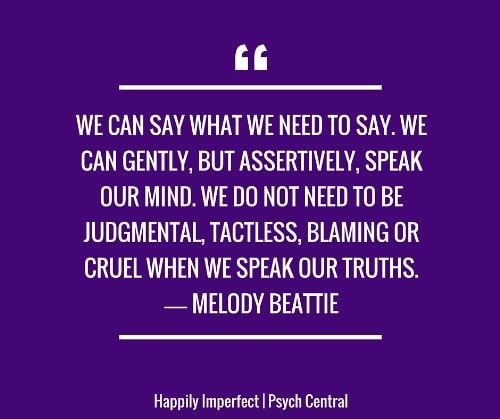
Healthy personal boundaries are not an excuse for bad behavior.  They are not to be used as blunt instruments to bully others into submission or to advance my own agenda against theirs.

My boundaries don’t give me the right to be hateful, hurtful or unkind.  They are not permission to pitch fits, make public displays or belittle others.  

say-what-we-need-to-say-gently

And they are absolutely NOT a reason to plaster hate speech across social media.  If I have a personal relationship issue then it needs to be handled personally and privately not publicly. Vague Facebook statuses that suggest I’ve been offended by half my friend list are off limits.

Establishing healthy personal boundaries is work.  

Already exhausted from grief, the last thing I want is more work.

But if I don’t defend the space and time I need to do the work grief requires I cannot make progress toward healing.

If I don’t limit my interaction with those who are unhelpful or downright hurtful, I will be dragged down further in the mire of sorrow and sadness.

If I don’t purposely pursue physical, emotional and psychological health, grief will kill me.