I Don’t Cry Every Day Anymore

I’ve never really been much for lots of tears.  

Most of my crying before Dominic ran ahead to heaven consisted of silent tears slipping down my cheeks and onto my chin. Every now and then I would have a good, old-fashioned sob.

But between April 12,2014 and that October or November, I cried every day.  I cried so much I thought surely I would run out of tears.  I cried so much I needed to drink more water to remain hydrated.  

Then it stopped.  

The ache settled deeper into my bones and tears no longer came as an easy outlet for the pain I was feeling.

I still cried a few times a week, but not as long or as loud as those first months.  I could tell (most of the time) what had triggered the tears-a photo, a song, an item his hands had touched, a memory or even a whiff of someone who wore the same cologne walking past in a crowd.

Then THAT stopped.

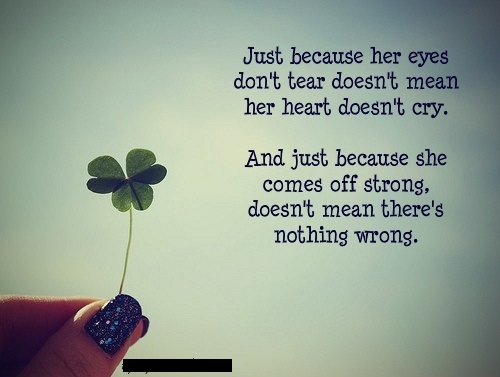
just because no tears doesnt mean heart doesnt hurt

I got so good at stuffing the immediate emotional response I hardly ever cried anymore.

Except that sometimes-random moments-the heavy lid I keep screwed down tight on all those feelings comes undone.  And I am helpless as the sorrow, missing and horror of child loss creeps up my spine, raises my heart rate and settles as a silent scream at the back of my throat.  

A sob escapes.  The tears flow.  Usually I’m done for that day-left a quivering mass of emotional jello, unable to pack it all up and get on with things.

And that’s OK.

I don’t cry every day anymore, but when I do, it’s a necessary and important part of the healing process.  

I won’t apologize for my tears.  

grief-is-loves-souvenir


Stuck or Unstuck in Grief? Who Gets to Decide?

“Stuck in grief”-it’s a theme of blog posts, psychology papers and magazine articles.  The author usually lists either a variety of “symptoms” or relates anecdotes of people who do truly odd things after a loved one dies.  “Complicated grief” is a legitimate psychiatric diagnosis.

But who gets to decide?  

What objective criteria can be applied to every situation, every person, every death to determine whether someone is truly stuck in grief?  How do you take into account the circumstances of a death, the relationship of the bereaved to the deceased, trauma surrounding the event or any of a dozen other things that influence how long and how deeply one grieves a loss?

Obviously there are certain signs that someone needs professional help, medication or intervention.  If a person is abusing drugs or alcohol, acting out in ways that harm or threaten harm to themselves or others, or is experiencing depression or uncontrollable anxiety then please, please, PLEASE get them to a doctor who can diagnose and treat them.

But for the rest of us, “normal” grief covers a wide variety of behaviors, feelings, attitudes and timelines:

Posting photos or videos of our missing child is normal.  It’s the last visual link we have to someone we can no longer see.

Mentioning my son in conversation is normal.  I mention my other children and his life is still intertwined with ours.

Crying-even years or decades after the loss-is NORMAL  Grief waves can hit with tsunami force from out of nowhere and slam me to the ground. The only thing I can do then is let them wash over and around me until they pass.

Keeping space for my son in my home, at my table, in my heart and on holidays is normal.  Some parents do this with a special candle, photo or ritual. Some do it with a stuffed animal or other item that represents their child. Some do it with words or deeds of kindness done in honor of the missing one.  No one has sat in Dominic’s space at my table in these three years.  It’s my silent witness to his ongoing influence and irreplaceable presence in our family circle.

Keeping a room exactly as it was is normal.  Boxing everything up is also normal.  Every heart is different and every heart has to decide what helps it heal.

Sleeplessness is normal.  Some parents never return to pre-loss sleep patterns.  I wake every morning at about the time the deputy came to our door.  Every now and then, if I am extremely tired, I may fall back asleep for an hour or two.  Sleeping the day away is normal, too.  Sleep may be a welcome relief to a weary heart and some parents find that when they can, they sleep a lot.  (Note:  if this continues for days or weeks, please check with your doctor about the possibility of depression.)

Anxiety is, sadly, VERY normal.  The worst has actually happened and that makes the possibility that it could happen again oh, so real.  Anxiety may well spread to things that seem to have no relationship to loss.  It’s also normal to have a “devil may care” attitude. The worst has actually happened, so what could be worse?  Might as well live life to the full.

Withdrawal is normal.  So is over-scheduling and staying busy.  Both are ways someone may try to deal with heartbreak.

You don’t have to be “stuck” in grief to still feel the pain and have it continue to affect your life.

I am and have been highly functional since the morning the deputy arrived with the news of my son’s fatal motorcycle accident.

But I am a very different “me” than I was before that doorbell rang.

Some things I can’t do anymore. Some things I do differently and some things are brand new and I have only done them since he left us.

Labels are rarely helpful when applied to people.

Every person is unique, every relationship unique and every situation unique.

And every grief journey will be unique as well.

roller coaster 2 better image


Fifth Sunday Singings and a Mama’s Broken Heart

Fifth Sunday Singings are a tradition down South.

We gather in the evening or afternoon every time there is a fifth Sunday in a month and sing, sing, sing.

Sometimes there are featured groups but often it’s just the faithful few who enjoy picking favorite hymns that might not get much air time on Sunday mornings.

Inevitably the hymns that are chosen most often include a verse or two about “when the roll is called up yonder” or “the streets of gold” or “amazing grace”.  Because almost all of us have a hymn etched on our hearts during a time of trial or sorrow or deep suffering.

And it’s the promise that God is faithful, His word is true and this life is not all there is that gets us through.

But for this mama’s broken heart, a few choruses in and I’m in tears.  

While I am thankful, thankful, thankful that I know I will see my son again, these hymns remind me that a lifetime may lie between here and there.

The waiting is hard.  

waiting with hope water


Repost: Grief is NOT Sin

Grief is not sin.  

It wasn’t until another grieving mom asked the question that I realized there are some (many?) in the community of believers that think grief is sin.

Not at first, mind you-everyone is “allowed” a certain amount of time to get over the loss of a dream, the loss of a job, the loss of health or the loss of a loved one.

But carry that sadness and wounded heart too publicly for too long and you better be ready for someone to question your faith.

Read the rest here:  Grief is Not Sin

The Missing Never Fades

This popped up in my Facebook memories today:

dom looking up with camera

That face!

What I wouldn’t give to see it again, to feel his beard against my cheek when I hugged his neck, hear him laugh, know he was only a phone call away!

I’ve learned to carry the sorrow because I know it will be redeemed.

But the missing?

The missing never fades.

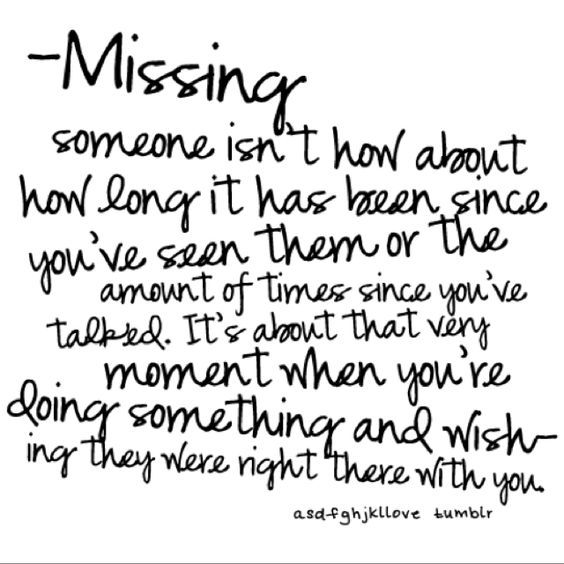
missing-someone

Dispelling Marriage Myths Surrounding Child Loss

Today my husband and I celebrate 33 years of marriage.  

Our thirtieth anniversary was a mere two months after we buried our son.

Here’s the last “before” anniversary photo (2013)-unfeigned smiles, genuine joy, excitement to have made it that far:

hector and me 29 anniversary

This is us on our thirtieth anniversary, at our oldest son’s wedding -holding one another up as best we could:

IMG_2151

This is us last Christmas:  

beach hector and me and boys in sand

We are definitely the worse for wear, but we are still here.

Together.

There are a lot of myths floating around about what happens to a marriage on the other side of child loss.  The one tossed out most often cites a “study” reporting 90 percent of marriages fail after the death of a child.  

It’s just not true.

But the danger is that if you believe it is true, you may stop trying.  You may stop reaching out across the painful abyss that threatens to keep you apart forever.  You may decide that living alone with your broken heart is better than living alongside someone who may be broken in very different ways than you are.

It can become a self-fulfilling prophecy. 

The truth is that child loss is no more likely to destroy a marriage than a list of other terrible life events-even though child loss is the most terrible.

A child’s death shakes a marriage to its foundations and reveals the weak spots. And EVERY marriage has weak spots.

So the challenge in this season of marriage-like every season of marriage-is to turn toward one another instead of away.  Choose to do the work necessary to make it:

  • Do the best you can to take care of your own emotional, physical, psychological and spiritual health so that you can come together stronger and better able to help one another.
  • Assume the best and not the worst about your spouse.
  • Allow for different grieving styles and different ways of honoring your missing child.
  • Get help from others.
  • Don’t expect your spouse to carry your load of grief as well as his or her own.

It takes energy and commitment right when we don’t have any to spare. But at least in this, we have a choice.

I have already lost so much over which I had no control.  

I will fight for what I CAN hold onto as hard as I know how.

wedding rings


Stages of Grief ? Nope.

Ever since Elizabeth Kubler Ross published her best-sellling book, “On Death and Dying” both professionals and laypersons have embraced her explanation of the “five stages of grief”.  

The model has been used as a faulty standard to measure grievers’ “progress” for decades.

Trouble is, she got it wrong.  

And it is especially wrong for bereaved parents or anyone who suffers traumatic or sudden death.

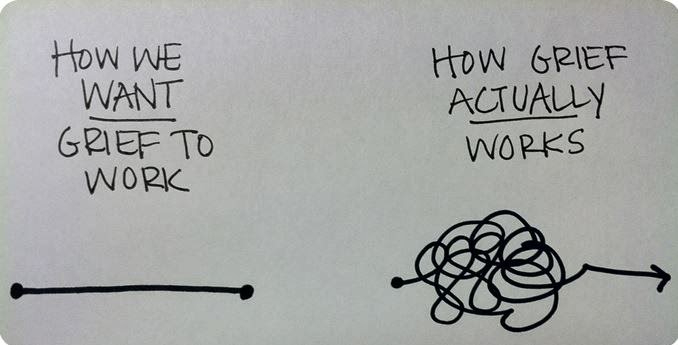
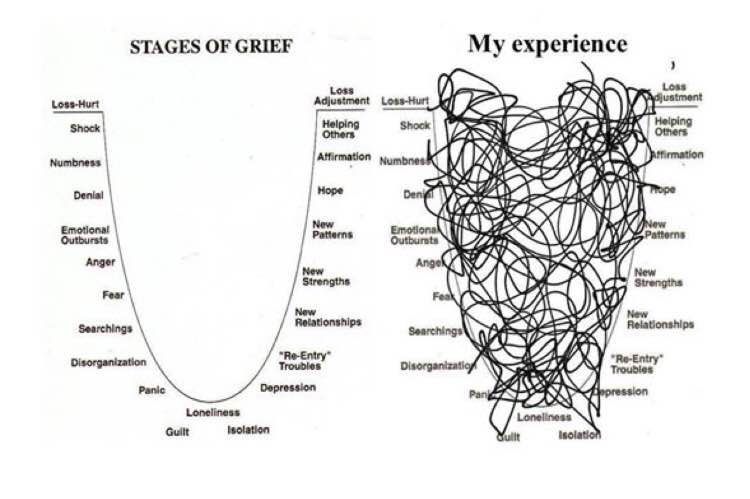
Grief does NOT look like this:

Kubler-Ross

It looks like this:  


mixed stages of grief


Closed For Repairs

Oh how I wish I could hang a sign for just a single day, “Closed for Repairs”!

I keep thinking that tomorrow or next week will be the little bit of respite I need to catch my breath and to do a few things I really must do for my own mental wellness.

But life has conspired to make that impossible.  

So here I am, hanging on by a thread again.  

Just barely managing to get by.  

Just barely managing to not scream in the middle of the grocery store when I can’t lift the case of Powerade bottles into the cart.  Just barely able to contain my panic when I reach for my checkbook and can’t find it in the bottom of my purse.  Just barely able to keep from crying when the bag rips putting it into the truck.

If the people around me knew how close I am to falling apart or breaking down, they would run away in fear of what might happen if I blow.  

Yes, it’s been three years.

But Dominic walked with me on this earth for nearly 24 years. Three years isn’t long enough to adjust to his absence.

I need a day off.

Or a week.  

Or a year.  


Missing Milestones

Another friend has a new grandchild.  

It makes my heart so happy to see families grow and prosper.  I love the fresh sweetness of newborn wrinkles and chubby fists.

If I’m honest I have to admit that for every smile that spreads wide across my face in response to posted pictures, there is a tear that slips down from the corner of my eye.

I wish I could feel unadulterated joy like I used to.

But I can’t. 

It is impossible for there to be any progeny bearing his smile, his laughter, his brown eyes and overgrown eyebrows.  The rhythm that filled his head and tapped, tapped, tapped down the bannister is buried underground.

And that is hard to bear.  

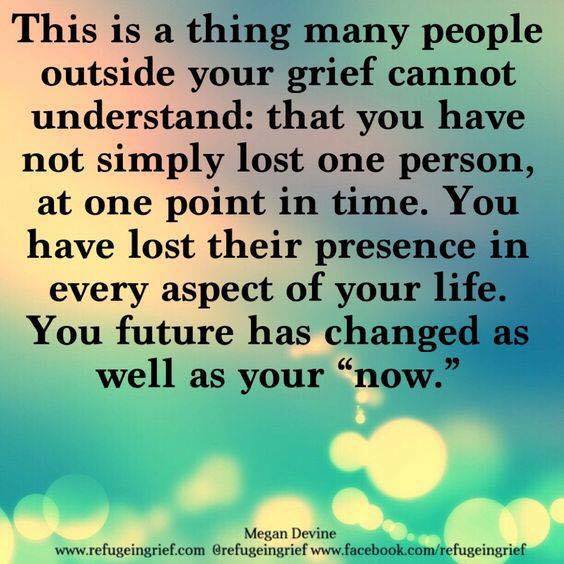
Losing a child is not a single event. 

It happens over and over and over.

future has changed


Repost: How to Respond When Someone Shares Their Pain

We’ve all been there-we ask a routine question and someone refuses to play the social game.  

We say, “How are you?” and they answer honestly instead of with the obligatory, “I’m fine.  You?”

Suddenly the encounter has taken an unexpected turn.

“Oh, no!  I don’t know what to say,” you think.

Read the rest here:  How To Respond When Someone Shares Their Pain