On The Struggle Bus

I weigh more today than I’ve weighed in ten years.  

Just before Dominic graduated high school in 2008, I decided that being “fluffy” was not good for my health, not good for my joints and for the first time in my married life I had the extra energy, time and attention to work on losing weight.  

I lost over fifty pounds.  

Still not skinny, but definitely a much smaller version of me than had existed since I started having children.

IMG_0744 (1)
June 2013

But after Dom left us,  a series of choices and out-of-my-control health issues combined to make it harder and harder to maintain the weight loss I had (fairly) effortlessly maintained for six years.

I’m scheduled to see my GP tomorrow and you know what makes me more nervous than all the bloodwork they will have to do?  Stepping on the scales!

Why is it more deplorable to be fat than to be mean?

Why is it considered a greater moral failure to lug around extra pounds than to lug around a hateful heart?

I feel more like a failure because I’ve allowed pounds to creep back up on my backside than for so many other things that are so much more important.  

Menopause, middle age and many sleepless nights which increase my cortisol levels have conspired to make it harder this time than last time to rid my body of excess weight.

family fionas grad (2)

I’m active, eat well and in limited amounts (no Twinkies or high fructose corn syrup!) but my hips refuse to get smaller.

I try hard not to blame everything on child loss. 

But I’m pretty sure a significant portion of responsibility sits squarely on the fact that my heart is broken.  I am exercising so much self-control every. single. day. that I don’t have any left over.

I rarely cry any more in public. 

Goodness!  I rarely cry any more in private.  

I can return a cheery, “Have a nice day!” to any and everyone I meet.  

But that means I am constantly running a tape in my head that goes something like this:  “Don’t take it out on her.  She has no idea. Keep smiling.  People don’t know that you were about to cry just a minute ago. Don’t let that person’s ugly attitude unleash the beast inside you.”  

Can I be honest here?  

I’m tired.  

I’m tired of everything being hard.  

please be aware i am trying

I don’t know if or when I’ll lose weight (please don’t inbox me with your latest, greatest sales pitch).

I’m trying most days.  

But sometimes I just don’t have it in me to try.  Sometimes I just want to be normal-whatever THAT is.  Sometimes I just want to have one corner of life where things are easy and don’t require constant vigilance or extreme restraint.  Sometimes I want to eat ALL the things and not give a hoot if it adds inches to my waist.

the struggle bus

I won’t do it.  

Because I know it’s not what’s best.  

But I want to.  

eat whatever you want

Things I CAN Control

When I opened the door to that deputy and received the news, my world suddenly spiraled out of control.

Over the next days, weeks months I would have to do things I never imagined I might do and certainly things I did not WANT to do.  So, so much I couldn’t change.  So many ways I lost the right to choose.  

And I hated it!  

Wasn’t long and that sense of helplessness permeated every corner.  Even when it didn’t belong there.  I began to feel as if I couldn’t control anything.

So in many ways I stopped trying.  

But then one day I woke from the fog of despair.  I remembered that there WERE some areas of life where I could still make choices.

And it was empowering!  

So here’s a list that I pray gives hope to other hurting hearts.

THINGS I CAN CONTROL

  • My attitude (how I react to what others say or do)
  • My thoughts (with great difficulty sometimes)
  • My perspective (when I’m careful to fill my mind, heart and eyes with truth)
  • If I’m honest (about ALL things-including my feelings)
  • Who my friends are (from my end-can’t stop people from walking away)
  • What books I read (I am choosy and only read things that feed my soul)
  • What media I consume (stay away from toxic people, topics and television)
  • What type of food I eat (healthy, appropriate amounts)
  • How often I exercise (a walk, gentle yoga, online video routines)
  • How many risks I take (not just physical ones, but also emotional and relational risks)
  • How kind I am to others (being wounded does not give me the right to wound)
  • How I interpret situations (do I assume the best or the worst?)
  • How kind I am to myself (extending the same grace to ME that I extend to others)
  • How often and to whom I say, “I love you”
  • How often and to whom I say, “Thank you”
  • How I express my feelings (I can learn healthy ways to speak my truth)
  • Whether or not I ask for help (no one gets “points” for playing the martyr)
  • How many times I smile in a day (smiling, by itself, lifts mood-even a “fake” smile)
  • The amount of effort I choose to put forth
  • How I spend my money
  • How much time I spend worrying (or praying or complaining)
  • How often I spend moments blaming myself or others for past actions
  • Whether or not I judge other people
  • Whether or not I try again when I suffer a setback or disappointment (success is getting up one more time than I fall down)
  • How much I appreciate the people and things in my life

Exercising control over the parts of my life where I CAN exercise control helps me deal more effectively with the many parts over which I have no control

It does not undo the sorrow and pain of child loss, but it does work to balance the emotional scales. 

It makes it easier to face a new day.  

It helps me hold onto hope.  

And that is a good thing.  ❤

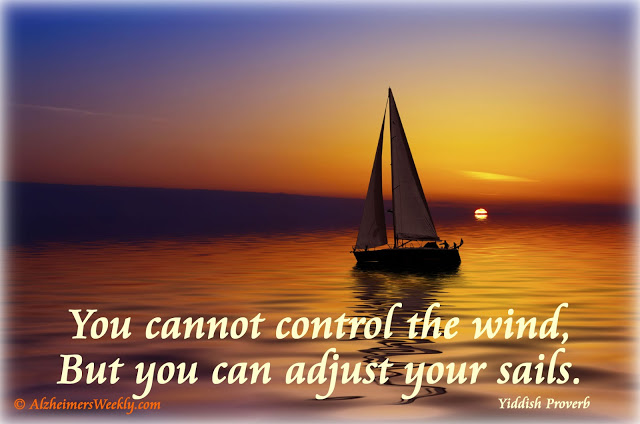
whenyoucan27tcontrolthewindadjustyoursails


Child Loss and Secondary Losses

While I certainly had no real idea in the first hours or even weeks what losing a child entailed, I understood plainly that it meant I would not have Dominic to see, hold or talk to.

I wouldn’t be able to hug his neck or telephone him.  

He wouldn’t be sitting at my table any more.

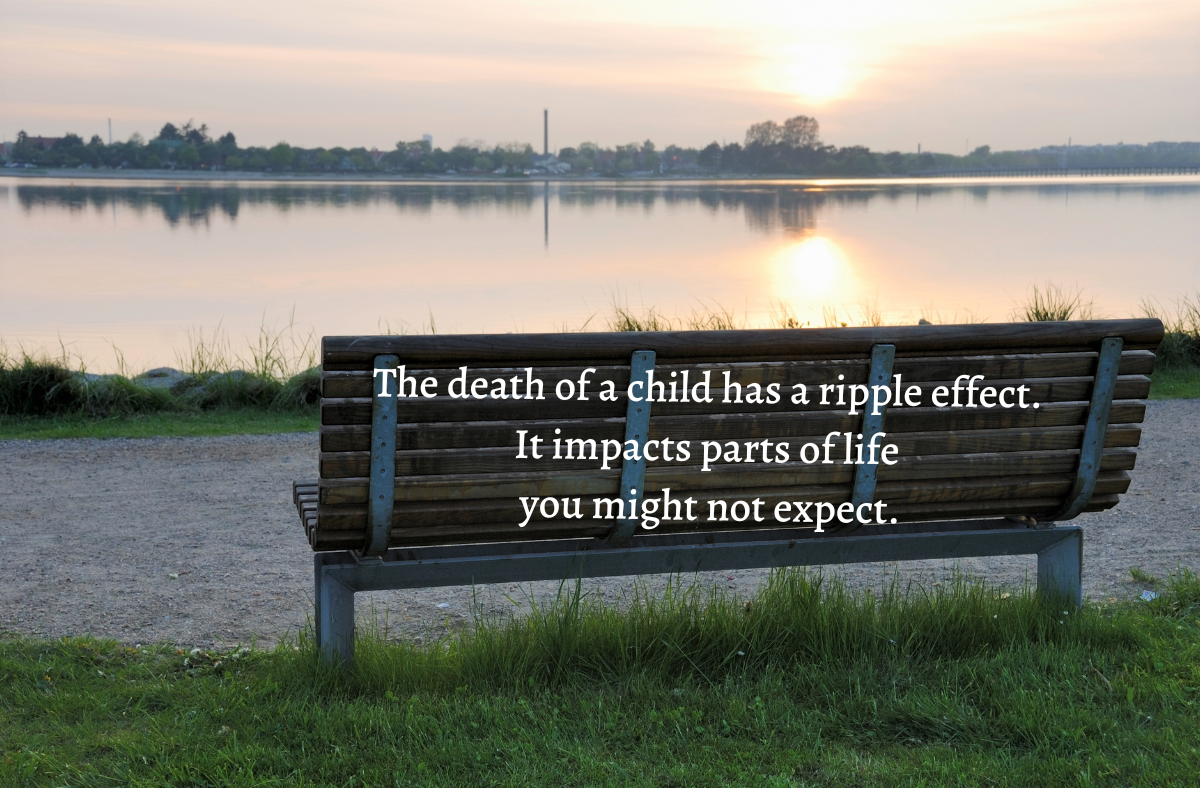
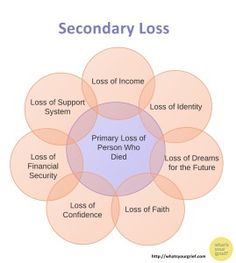
But the death of a child or other loved one has a ripple effect.  It impacts parts of life you might not expect.  As time went on, I was introduced to a whole list of losses commonly called “secondary losses”.
secondary losses

Here are just a few:

Loss of a large chunk of “self”.  Dominic possessed part of my heart and part of my life.  It was violently ripped away when he died.  There is part of me that was uniquely reflected from him-like a specialty mirror.  I can never access that part of me again.

Loss of identity.  Before Dominic died I was one kind of mother.  I was a mother of four living children who were making their way in the world as successful adults.  I was a mother looking forward with happy anticipation to the next years.  Now I am still a mother of four children but one whose heart has been changed by tragedy and sorrow. Tomorrow is still bright, but there’s a shadow just behind it.
desimones uab family

Loss of self-confidence.  I used to enter a room without a thought to how I’d be received or perceived.  That’s definitely not the case now.  I’m self-conscious-constantly wondering if I’m saying or doing the right thing.  I never know if a grief trigger will (at best) pull my attention away from conversation or (at worst) send me scurrying for the bathroom.

Loss of sense of security.  I think every parent has moments of fear over his or her child.  When they first go off someplace without us, when they get a driver’s license, travel abroad, go to college.  But all the awful things I imagined didn’t hold a candle to the reality of waking one morning to a knock on my door and the news that Dominic had been killed.  The bottom fell out of my (relatively) safe world.  Bad things, random things can and do happen.  Once it happened to ME, it changed how I processed everything.  The passing years have softened some of the anxiety but I will never be able to assume safety again.

Anxiety

Loss of faith.  I did not “lose” my faith.  I never once doubted that God was still working, was still loving and was still in control.  But I most certainly had to drag out every single thing I thought I knew about how I thought He worked, loved and superintended the world and examine it in light of my experience of burying my son.  It took a long time to work through all the pat answers I had been offered and myself doled out to others for years that didn’t fit with my new reality.  I am learning that doubt is not denial and that I have to live with unanswered questions.

Loss of family structure.  I’ve written before that a family is more than the arithmetic total of the number of members.  There were six of us.  But we were so much more than six when we were all together!  Our talents, personalities and energy were amplified in community.  When Dominic’s large presence was suddenly whisked away, every relationship got skewed.  We’ve fought our way back to a semblance of “whole” but still miss him terribly.  We can function, but we will never be the same.

empty chair

Loss of my past.  Memories are funny things.  They are plastic and subject to change.  And my recall of an event is limited to my own perspective.  For a memory to be rich and full, I need input from others who were there as well.  One vessel of family memories is no longer available to add his unique contribution.  Every time I pull out a photo or dig down deep in my heart to draw up a treasured moment, I realize I’ve lost something I can not recover.  The joke, the glance, the odd detail are all gone.

Loss of the future I anticipated.  I’m a planner by nature.  Not a detailed, OCD, got-everything-in-order kind of planner, but a “big picture” kind of planner.  When Dominic left us in 2014, things were going (pretty much) according to plan.  Each child was well on his or her way to the career path they had chosen.  I was easing into an empty nest and exploring options for life after homeschooling.  My husband was entering his last few years of a lengthy career.  It’s hard to explain to anyone who hasn’t experienced it, but when your world is shaken by child loss, everything gets scrambled.  You can’t just pick up where you left off and keep going with the pieces that remain. 

There’s a prolonged period of confusion and everyone is impacted differently and in ways you could never imagine.  All of us have changed dramatically in the years since Dominic left us.  He is not the only thing missing from the rest of our lives.  Holidays are altered.  Birthdays are different.  We have to plan special events around uncomfortable milestone dates that roll around every year whether we want them to or not.  It’s a constant readjustment to life as it IS instead of life as I thought it WOULD be.

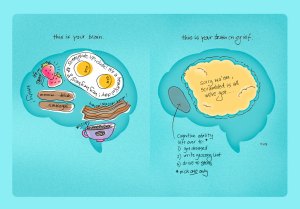
Loss of ability to focus and function.  Oh, how this surprised me!  I was in some kind of zone for the first month after Dominic left.  My other children were home, we had to make it through planning his funeral, two graduations and cleaning out his apartment.  I also had to handle paperwork for my husband to take short-term disability due to grief.  I cried a lot, wrote down dozens of notes but managed to do what I had to do.  Then I crashed. I couldn’t remember a thing.  I couldn’t read more than a couple sentences at a time.  I hated the telephone.  I could barely stand to hear the television.  I had to make a list of the most basic things like brushing my teeth, feeding my animals, turning off all the lights before bed.  It was awful!  And it didn’t really get better for well over a year.

I still suffer from a very short attention span, low tolerance for noise and an inability to accommodate last minute changes.  I don’t schedule anything back to back.  I live in a rural area and sometimes shop in the nearby town.  I will start the day with a long list and shorten it repeatedly as I go along because driving in traffic, crowds and random sounds ramp up my anxiety and make me want to go home with or without what I came for.  I have changed the way I do so many things.  My pre-loss memory has never returned.  
griefbrain1

Loss of patience.  I am at once impatient and long-suffering.  I have zero patience for petty grievances, whining and complaining.  Yet I have compassion for other people living hard and unhappy stories.  I berate myself for not being “better” and, at the same time, extend grace to others who aren’t “better” either.  I want to shake people who bowl over weak, hurting, desperate souls.   I don’t have time for moaning about rain when you were planning a picnic but will listen for hours to a mama tell me about her missing child.

Loss of health.  I had a number of chronic health conditions before Dominic ran ahead.  Within the first year of his departure, I was hospitalized twice.  My experience is not unique.  Some parents suffer immediate health effects (heart attack, blood sugar spikes, anxiety/depression) and some see a slow decline over time.  In part because child loss, like any stressor, will negatively impact health and also because sometimes bereaved parents stop doing the things that help them stay healthy.  At almost five years, I’ve learned how to manage the stress better although some of my health issues continue to get worse.  It’s hard to tease apart what is age, what is disease and what is grief.

When your child leaves this life before you do, it changes everything.  

Not only things you might expect, but many you’d never imagine.  

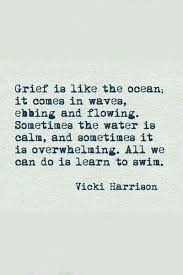
It’s a constant balancing act, readjusting every day to new challenges.  

Struggling to keep my head above the waves.  
grief like the ocean learn to swim


Repost: No Way to “Fix” Child Loss

This was shared in a bereaved parents’ group to which I belong and I really like it.

It’s a great reminder to those of us traveling this road that it is a lifelong journey.

It’s also a good explanation of why there is a gap between our experience and those who have never experienced child loss.

Read the rest here:  No Way to “Fix” Child Loss

NO Substitute For Rest

Some of us just don’t like sitting down.

That would be me.

I’ve always got the next thing to do written on a slip of paper somewhere and even if I can’t find that list, it’s hardwired into my brain.

Decades of guiding a busy household have worn ruts in my routine so that after my morning coffee I am compelled to get up and get going. 

melanie feet crocs and driveway step

Writing here has given me a little cushion since some mornings words pour out of me and I have to get them down before they escape my memory.  But even so, I might only extend my sitting time by an hour or so.

When the sun gets up good in the sky, that’s my cue to get up too.  Animals need feeding and even though there’s only me to feed at home I’m usually cooking for some event or someone else.

So I find it hard to rest-even when I need to and even when it is the difference between getting well and getting worse.

But this past week I’ve had to dial it back-a lot.  Some nasty cold took up residence in my chest and traveled to my ears.  It was the earache that sent me to the doctor even though the cough sounded like it was coming from my toes and just wouldn’t stop.

Thankfully a wise practitioner gave me the right mix of medicines and sent me home to let them work their magic.

I expected the antibiotics and steroid to kick in and kick that rotten bug right out.  But they didn’t.  In fact, although the earache dissipated by the next morning, I woke up feeling WORSE than when I had dragged myself to the clinic.

The prescription was clear:  Rest was what I needed. 

My family very sweetly kept reminding me of that when I forgot (at least once per hour!). But I stubbornly refused to rest as much or as often as I should have.

So it has taken longer than necessary for me to feel better.  

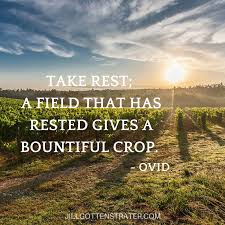
And once again I am learning the absolute necessity of REST to aid a body-or a heart-toward healing.  There is simply NO substitute for giving your body or emotions or spirit the space and time and leisure it needs to do the work that only it can do for itself.

When our schedules are piled high (even with good things!) and we don’t make a place for rest in our daily and weekly lives, we predispose (maybe guarantee?) ourselves toward crisis.  It might be a health crisis due to a weakened immune system or an emotional crisis because we just don’t have the energy or margin left to deal with people’s words or attitudes.

margin

For those of us already carrying the burden of child loss into this extra busy season, we have to find time to rest. 

We have to make space for solitude. 

We must declare some portion of our day or week a “drama free” zone.  

If we don’t, we’ll find ourselves exactly where we don’t want to be.  

Our bodies, minds and hearts will demand it-one way or the other.  

rest field

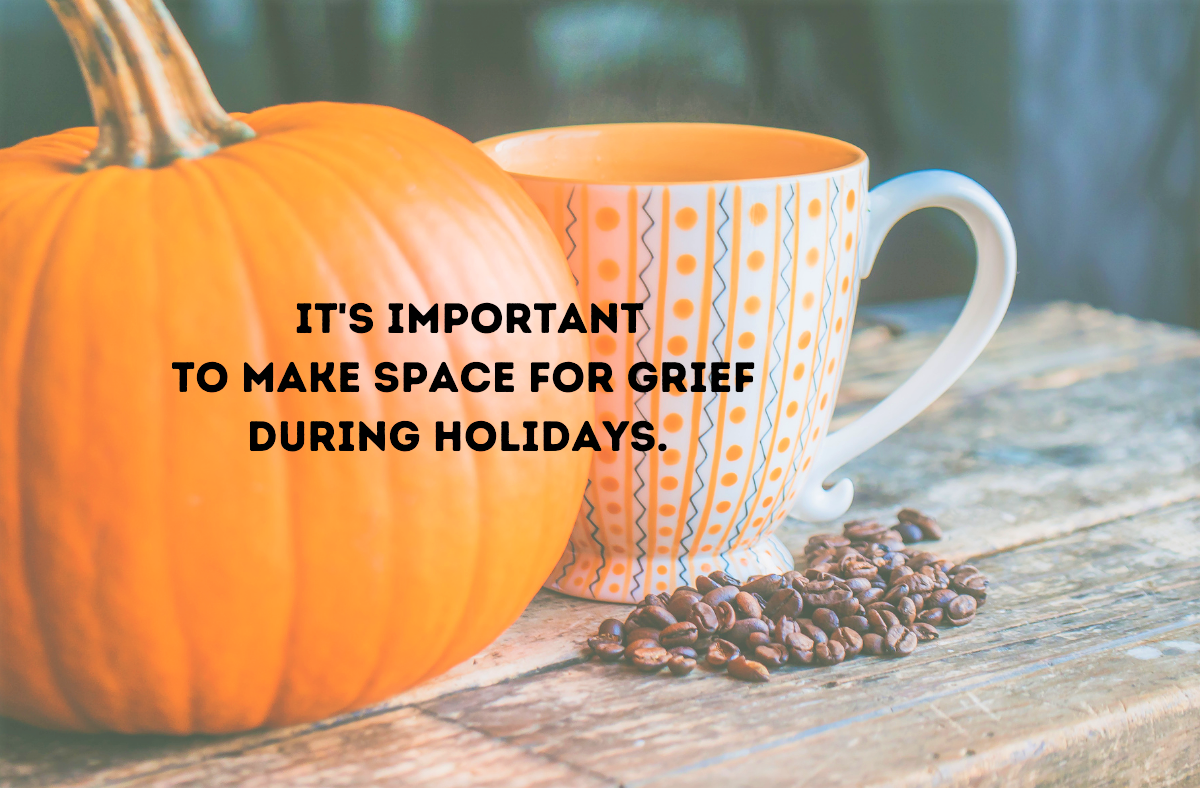
The Importance of Making Space for Grief During Holidays

We are days away from plunging headfirst into the rough and tumble holiday season.  

Thanksgiving is drawing near and I don’t know about you, but it seems that once I eat the turkey and dressing, the clock moves faster and the days crowd one another in a race to Christmas and the end of the year.

So I want to take a minute to think about how important it is to make and maintain space for grief during this busy season.

You have to do it.  

I know, I know-where to fit it in between family gatherings, social engagements, mandatory office parties and children’s pageants?

If you don’t, though, the grief will out itself one way or another.  

So may I offer the following practical suggestions for this upcoming holiday season?

  • Start each day (whenever possible) with a few minutes of alone time.  Let those moments be the buffer between you and the day ahead.  Don’t allow your mind to wander to your “to do” list.  Sit.  Sip the hot beverage of your choice and let silence soothe your soul.
  • Don’t overschedule your days (or nights!).  Exercise the option of saying, “no” to things that are not really important or necessary.  Just because you have done it every other year doesn’t obligate you to do it this year.  Exhaustion always magnifies despair.  
  • Try to balance busy days with not so busy days.  The surest path to meltdown is traveling in the fast lane.
  • Let other people take on responsibilities-especially if they offer- and even if they don’t.  Asking for help when you need it is a sign of maturity, not a sign of weakness.
  • Keep a pad and pen on your nightstand and jot down any random thoughts that you don’t want to forget before bedtime.  There is no sense worrying about something you can’t address until morning and writing it down means you won’t forget it.
  • Make use of online everything.  Have gifts sent directly to recipients.  Order groceries for pick up.  There are many ways to make life less hectic and more enjoyable.  If you don’t know what’s available in your area, ask friends and family.
  • Plan for at least one recovery day for every large gathering/party/meal you have to attend.  Some of us need two.
  • Don’t sweat the small stuff.  If you are used to having matching everything, perfect centerpieces and gourmet meals it may be hard to lower your standards.  But if there is one thing I have learned since Dominic ran ahead to heaven, it’s that the companionship of those we love trumps anything else.  People rarely remember how you set your table but they will remember who sat around your table.
  • And if your heart is too tender to do anything but hold on and hope this month passes quickly, then do that.  You don’t have to live up to anyone else’s expectations.  Sometimes that’t the best we can do and that is OK.

Grief requires so. much. energy.

And you can’t spend the same energy twice.

So make space for grief in your holiday plans.  

bereaved parents have one job during the holidays to survive

Letting Go of Extra Responsibilities

I’ve always been quick to volunteer.  

Often the “yes” flies out of my lips before my brain has engaged.

That lands me in all kinds of trouble.

But I’m trying to learn to bite my tongue until I can take stock of just how taking on another responsibility may push me over the edge.

I’m walking on a razor thin rim around the pit of despair-especially this time of year and it doesn’t take much for me to fall in.

depair

I know that other people think, “Well it’s been nearly five years!”  And I understand that to them, it seems like plenty of time to get my act together, to figure out how to live with child loss, to grow strong enough to shoulder whatever burden they think I have left and just get on with life.

But what they don’t understand is that this journey requires constant adjustments, has unending and new challenges and truly is uphill all the way. 

There’s no coasting-it’s ALL hard.  

walking-up-a-hill

Think for a minute how overwhelmed you are with all the activity, demands for baked goods, invitations, shopping, cooking, visiting, managing family responsibilities, hectic schedules and every thing else that the holidays entail.

Now multiply that times one hundred or a thousand. 

That’s what it feels like for me and other wounded hearts trying to juggle ongoing pain and the holidays.

I want to participate.  I want to be the old me that could say “yes” to every request.  But I’m not that person anymore.

I will do what I can do.  

I will say “no” to what I can’t do.  

And I won’t feel guilty for preserving my energy and my sanity.  

When coping with difficult disappointment or stress, it’s wise to let go of what you really, truly don’t need. Give some of your responsibilities, if you can, to someone else. Delegate what someone else can do. Say ‘no’ to new assignments or projects that aren’t absolutely necessary, and again, don’t feel bad about it. Don’t only accept help, ask for it — and be specific.

After all, when the storm has passed and you’re feeling stronger, you’ll be able to pick up those responsibilities again.

~Steven Earp, Storms of Life

Repost: Zero Points for Pretending-You Can’t Hide Your Heart

Oh, sometimes I think I’m clever enough to do it.

I edit my words, costume my body and fix my face so  I can act the part.  But truth is, I never manage to fool anyone who looks closer than my plastic smile.

I can’t hide my heart.

And I don’t know why I try-I don’t get points for pretending.

There’s no prize at the end of this long road for the one who makes it with fewest tears.

Read the rest here:  Zero Points for Pretending: You Can’t Hide Your Heart

Repost: Anger or Sadness? Or Both?

We live in an angry society.

Social media is full of rants about this and that.  Television blares raised voices shouting over one another in what passes for news coverage.  T-shirts are emblazoned with one-liners intended to provoke others.

We tolerate and even embrace anger as a legitimate emotion.

Yet we rarely make room for mourning.  We hide our tears.  We shame those who don’t hide theirs as “weak” and “soft” and “cowardly” or worse.

Read the rest here:  Anger or Sadness? Or Both?


Repost: Healthy Boundaries in Grief

As a people-pleasing first born who hates conflict, giving in has always been  easy for me. It’s only later that I wish I hadn’t.  

So for most of my life, setting personal boundaries has been challenging.

But in the aftermath of child loss, healthy boundaries are no longer optionalthey are necessary for survival.  

So what are healthy boundaries?

Read the rest here:  Healthy Boundaries in Grief