Repost: Grief Brain: It’s a Real Thing!

You are not going crazy because you can’t remember your best friend’s name.

You haven’t lost your mind because you can’t find your car keys, or the purse you put them in, or get lost in a store.

It’s grief brain.

And it’s a real thing….

Read the rest here:  Grief Brain: It’s a Real Thing!

Bluebirds and Hard Work

So, what keeps my heart tied to this weary world when what it really wants is to go Home and be free of pain and sorrow?  What anchors me to the sod when my soul longs to float away?  What compels me to stay?

Last week it was bluebirds and hard work.

Washing up dishes from a morning cooking frenzy, I raised my eyes to look out the window and there-looking down the chimney of our smoker-was a bluebird.

bluebird

Unconcerned with me he rested for some minutes where I could drink in the vibrant hue of his feathers. There’s just nothing like that blue anywhere but on the back of those beautiful birds-no matter how long I look at one, I always feel it’s not long enough.  Then off he flew to join another on a branch.

It was a gift.

And I tucked it in my heart to pull out later when I needed a reminder that there is still beauty and life in a world that also includes pain and death.

About an hour later I joined my youngest son at his house just a few miles from the farm. It’s an older home on main street in our little town and needs some work before he moves in.

It was carpet day.

So for the next few hours we worked together and by the end of the day we had done it! Carpet laid.  No major mistakes.

carpet-installers

Success was sweet!

I was really just a go-fer and cheerleader but it felt oh, so good to have something work out just as planned.

It felt absolutely victorious!

We sat in the finished room and drank it in.

Someone else may have just moved on to the next task in the long list of tasks needed to finish the house.  But when life has gone terribly wrong, you learn to relish those moments when it goes right.

THIS is what I hold on to.

These slices of beauty and victory are treasures I tuck inside.

collect beautiful moments


Yes, I AM a Cat Lady

I confess:  I AM a cat lady.

Not the one with the dozens living in the house and stinking up the place but the one who relies on her furry pal to get her through hard days.

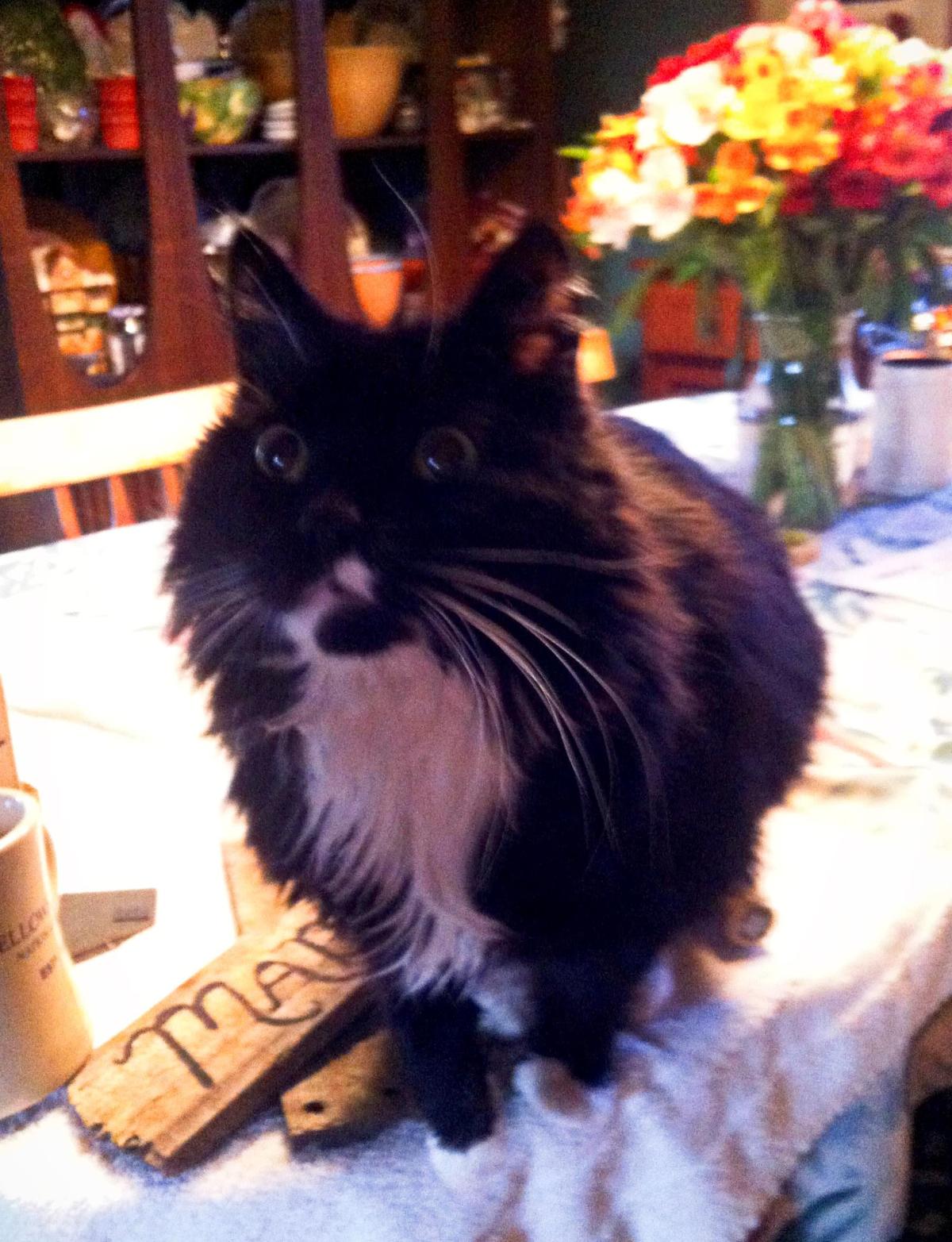
I raised Roosevelt from the day he was born.  

His mom was a sickly outdoor cat that had never made it through a successful pregnancy and was not a candidate for being spayed because she wouldn’t have survived the anesthesia.

So the day I heard a tiny “mew” outside my window I hardly expected the sight I beheld. Here was mama kitty utterly amazed that she had birthed a baby, walking off the edge of the porch with a tiny black something still attached by the umbilical cord.

She could have cared less.

I grabbed scissors and a towel and rescued the little darling without much hope of his surviving.

But he did.

That was seven hospitalizations, two surgeries and one giant heartache ago.

He has become my comfort companion, my purring pal, the one who knows before I do that my RA is flaring, my heart breaking.

I am thankful for this oasis of comfort in a desert of hurt.

I am thankful that the God Who made me also made animals to bring healing in the midst of heartache.  Oh, so thankful for a husband that puts up with my crazy “save everything that breathes” personality and doesn’t mind if a cat sneaks up the side of the bed in the middle of the night to get cozy in the covers..

When Dominic died, I remember sitting in my chair as the parade of sweet friends and family came over to cry with us.  Roosevelt sat with me the entire time.  His warm body reminded me that I was still here even when my limbs seemed to float away into the ether and my mind wasn’t entirely certain that what I saw or heard was real.

I have learned to count my blessings.

And while the majority of them walk on two legs, at least one has four.

IMG_1012


Limping Along

Those of you who follow the blog regularly know I have rheumatoid arthritis.

It’s something I’ve been living with three times as long as the years I’ve lived without Dominic and I find strange parallels in the twin journey of chronic disease and chronic heartache.

Both are crippling in their own way, both force me to work around the pain.  Both have changed me in ways I could not have imagined and certainly wouldn’t have wished on myself or my family.

Both have taught me to endure.

Both have taught me many other things as well:  

I have learned to be more compassionate.  With pain as my constant companion, it reminds me this life is hard and that it’s hard for others too.

I have learned not to take a good day for granted.  I never know when I will wake to an RA flare, I am constantly surprised by random heavy grief days and I can’t tell when I go to bed at night what tomorrow will bring.  So when a day is good, I grab hold of every moment.  I laugh, I move, I do things that make my heart sing.  And I store the memory for days that aren’t so good.

I have learned to be gentle to myself.  I can only do what I can do.  And what I can’t do today will just have to wait for tomorrow-or maybe wait for forever-and that’s OK.

I have learned to say, “no” graciously, without making excuses.  I try very hard to live up to commitments so I am selective in taking on new ones.  I know that if I take on too many, I’m sure to have to let someone down in the end.  I can’t make others outside my disease or my grief understand so I’m learning to not try.  Their disappointment or disapproval is something they have to carry, not me. (I wrote more about this here:  No. It’s a Complete Sentence.)

I have learned to create “work arounds” for the things that I have to do but are very hard to do. For my RA that means unloading the dishwasher two plates at a time instead of lifting the whole stack at once.  For my grieving heart that means spreading out the hard things over a week instead of a few hours.  It means not feeling compelled to answer every message, phone call or text right away if my mind is unclear or my heart too heavy.

I’ve learned to wear what’s comfortable.  Whether that is shoes that accommodate my crooked toes or refusing to put on a “happy face” mask in public-I am who I am.  I certainly don’t mope around or try to draw attention to myself.  But I’m just not responsible for making other people feel comfortable with my disease or my grief.

I have learned to plan “rest stops” on my daily journey.  It may be a moment to sit down or a moment to do something creative or a moment to watch a funny video-but each thing is designed to help me recharge for the next few hours.  If I try to soldier on I end up too tired and emotionally spent to do anything.  One day of that and I may lose a whole week.  So I pace myself.

I have learned that appropriate medical intervention and treatment is not a crutch, it’s a pathway to a more productive life.  I resisted taking medication for my RA for a long time-the potential side effects are frightening.  But when the swelling, pain and joint deformity became too much to bear, I gave in.  I shouldn’t have waited so long.  It was foolish. I will never be free of the disease, but my life can be better with appropriate intervention.  It’s the same with grief.  Anti-depressants and anxiety medicine do not remove the pain of grief but they can make space in a heart and mind to do the work grief requires.  There is NO SHAME in using whatever tools are available to make it through.

I have learned to ask for help. There are a number of things I just can’t do alone.  I used to be able to do them.  But not anymore.  Asking for help is not defeat.  I have to remind myself of that.  At the end of the day what matters is that what matters gets done-I don’t get “extra credit” for struggling through alone.

I have learned to speak my truth.  (This is one I’m still working on!)  If I am having a bad pain day or a bad grief day, I don’t try to hide it.  I just tell those who ask and those closest to me the truth. The energy I have to expend to keep it covered up means less energy to work on the underlying factors contributing to the bad day.  It’s just NOT worth it.  And I’m not good at hiding it anyway.

I have learned that walking (literally or figuratively) with a limp is not a defect.  It’s simply my life.  I won’t apologize for it.  If someone asks, I’ll share.  But if not, I just go limping along, making my way forward.  I might be slow, but I’m moving.

And that’s what counts in the end.

I will walk with an emotional limp for the rest of my life … But I don’t want it to just remind me of the struggle and the pain; I want it to remind me of a place of surrender, a place where God met me and blessed me. Otherwise, it is just wasted pain.

~Nancy Guthrie, The One Year Book of Hope, p. 332

Step By Step

I’m gonna just tell you right now:  If you let your mind wander to the days, months and possibly years ahead you will drown in sorrow.

The only way to make this journey is step by step.  

This one moment, this one breath, this one memory bringing tears to my eyes.  I don’t receive the strength for another moment until I live through this one.

But each moment bravely faced speaks courage to my heart for the next.

Some days I feel empty of hope.  Some days it takes every ounce of will to get out of bed. Sometimes I lie there and think, “Can’t I skip today?”

It’s a genuine temptation.  

And then a still, small Voice speaks to my heart and says, “I’m here.  You don’t have to figure it all out, just make the first step.”

So I do.

track record for bad days is 100


Refuse Shame

I remember the night of Dominic’s visitation-a few of us, including our pastor were there early and prayed together for strength and for God’s Presence.

In that circle of loving friends and family I was overcome with the need to kneel. My body had to acknowledge the fact that my heart was humbled as it never had been before.  I was in the dust and ashes were my food.  

What could be worse?

But in the days and weeks and months that followed, as the fog of disbelief lifted and the reality of pain, sorrow and missing became undeniable, it did get worse. Part of the “worse” was a sense of shame.

A sense that I should have been able to protect my son, keep him safe, make sure he lived-but I couldn’t.

The pain of child loss is often accompanied by shame:

Shame that I couldn’t save my child.  Shame of suicide, addiction, being in the wrong place, with the wrong people at the wrong time.  Texting while driving. Not wearing a seat belt. The shame of missing something. The shame of waiting to intervene.  The shame of pushing too hard.

The shame of just not being there when it happened.

The list is endless…

Often that shame keeps bereaved parents from reaching out, imprisons them in their own minds and sometimes in their own homes.

owning-our-story-and-loving-ourselves-through-the-process

But it shouldn’t be that way.

Child loss is a tragedy, not punishment.

It highlights the fact that I am not in control-and neither are you.  It happens even when a parent or a child does “everything right”.  And some kids survive to old age even when they have done “everything wrong”.  

Shame tells me that I am unworthy of love and unworthy of belonging.

And that is a lie.

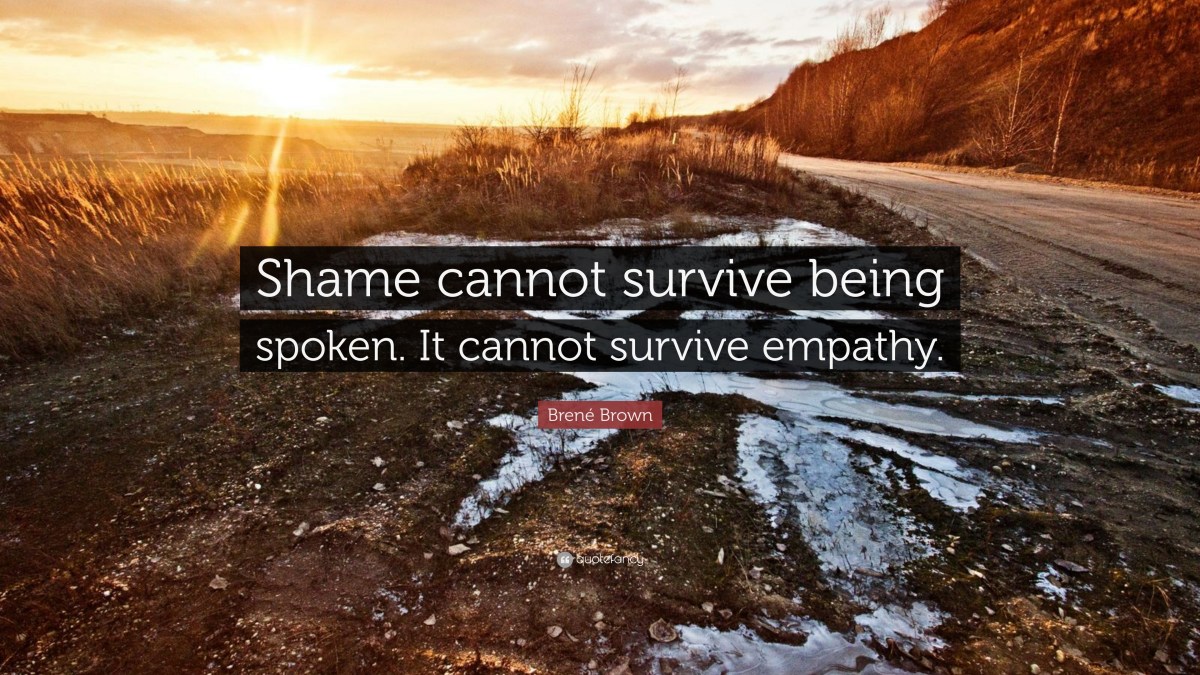
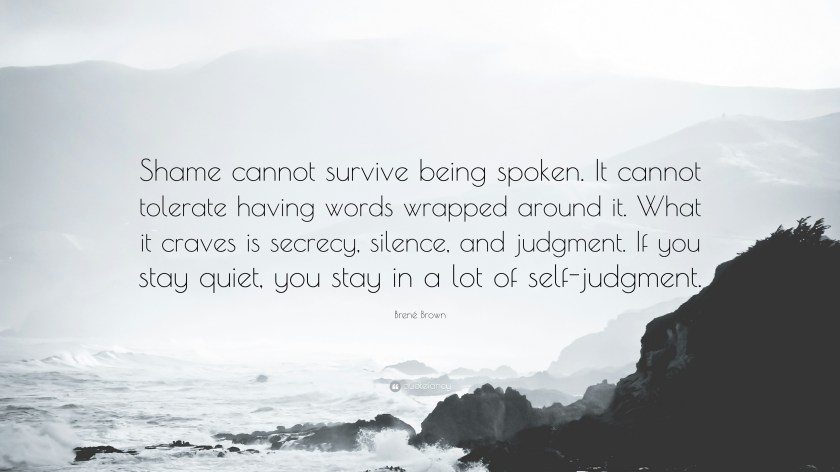
It “erodes our courage and fuels disengagement” (Brene Brown) If I allow shame to overwhelm my heart it drives me away from the very help I need to make it through this awful Valley.

I have to shake it off.

I have to refuse it’s cold creep into my soul, toss it out and bar the door so that it can’t come back inside.   I will name it and drag it from hiding for others to see.  

It cannot survive the light of day.  

shame-cannot-survive-being-spoken

There is NO shame in burying a child. 

Grief Brain: It’s a Real Thing! PART TWO: Coping Strategies

So now that you know you aren’t going crazy, what to do?

Give yourself grace-understand that the old you is not the new you.

griefbrain

You will not be able to overcome these very real changes by sheer force of will. No matter how talented or together you used to be, it’s unlikely you can operate on that high plane right now. If you try, you will only exhaust the resources you have left.  

So slow down and make room for how grief has impacted your mind.

talk-to-yourself-as-someone-you-love-brene-brown

There are some basic self-care techniques that bear fruit in every area, not only mental acuity:

  • Eat balanced meals or snacks-It doesn’t matter if you WANT to eat.  Consider that you are fueling your body so that it can feed your mind.  Find a protein bar you like or eat easy-to-make salads or sandwiches.  When blood sugar levels are stable, your mind works better.
  • Get as much quality sleep/rest as possible-This is very hard, I know, when the setting sun brings memories and thoughts that make sleep almost impossible.  But research “sleep hygiene” and apply the techniques that might work for you.  Herbal supplements and teas can help as well as prescription medications.
  • Drink enough water-hydration is so very important and easy to ignore.
  • Limit alcohol and/or other stimulants/depressants -any of which can interfere with your ability to think and remember. (Do NOT stop medication unless you do so in concert with your doctor)
  • Exercise-There’s no need to run a 5K. Just a walk around the block or even around your house can get your blood pumping and providing more oxygen to your brain.
  • Get a physical exam to rule out hypothyrodism, diabetes, heart disease, or any other physical cause for your symptoms.  If prescribed treatment, follow the protocol.

brain-cogs-and-light-bulb

Develop work arounds:

  • I simply admit to people I’m meeting for the first time that I will not remember their name unless and until I use it multiple times, and even then I might forget.  It takes the pressure off so I don’t have to pretend when I see them again.
  • I write down EVERYTHING.  If I put something “someplace safe” I jot down the location in my calendar.  If I make an appointment or need to make a phone call, I write it where I can see it.  If I commit to bring something to a potluck meal, I put down what I promised and when it needs to be there.
  • I ask for help.  Like I said before, if I make lunch plans with friends, I ask that they text me the day before to remind me.  If I need extra time to fill out a form, I speak out-I’ve never had anyone refuse.  If I can’t remember something important, I admit it and look it up.  I have given my family permission to tell me when I’m repeating myself.
  • I maintain routines and habits.  Keys-same place,always. I have a carabiner on my purse to attach them when I leave my truck.  Glasses-same place, always.  Medicines in those little seven-day sorted containers.
  • I use the Internet, mail and telephone calls to expedite things and minimize stressful interactions with people.  If I am going out to a restaurant, I look up the menu online so I’m not forced to make a decision on the spot.  I look up and print directions even though my phone can navigate on the fly.  I call ahead to learn how long a repair will take, if items are available and if my prescriptions are actually ready.  I send letters and cards instead of visiting when I’m feeling overwhelmed.

take-control-of-your-life

Lifestyle choices:

  • I aim for balance:  Harder tasks with easier ones; stressful outings with quiet moments; reading with sewing; outside and inside; work and play.  Switching up seems to help keep me sharper somehow.
  • I don’t overcommit.  When someone asks me to do something, unless it is truly an emergency requiring an immediate answer, I consult my calendar.  If I already have a couple commitments for a week, I beg off or reschedule for another time.  I realize that those working outside the home have far less control over these things but perhaps you might ask your boss for some leeway.
  • I group similar tasks and do one thing at a time.  I find that doing things that require the same skillset on a single day increases my ability to do them well.  Shopping, writing notes, cleaning house are things I schedule for one day at a time.  I am absolutely NO GOOD at multitasking anymore.
  • I’m realistic about what I can and can’t do.  It is humbling to admit that I’m no longer tolerant of small children and large crowds.  I used to be able to handle both.  But I just can’t do it, so I limit my exposure.  I won’t serve in the nursery at church and I don’t attend concerts.  That’s just the way it is now.
  • I plan for laughter.  If it doesn’t happen organically, I seek something uplifting and funny to tickle me into laughing out loud at least once a day.  Laughter helps me cope and releases all kinds of feel-good hormones.  With the world of memes at your fingertips, this is an easy thing to do.
  • I refuse to apologize.  Yes, I might say, “I’m sorry” when I forget someone’s name, but I don’t make it a habit to make excuses for my inability to live up to others’ expectations.  I learned early on that anyone who has not walked this Valley can’t really understand anyway.  It frustrates me, adds to stress and does no good.  So I let my “yes” be “yes” and my “no” be “no”.  I’m beyond being embarrassed.

I do the best I can as long as I can.

And when I reach my limit, I admit it without being shamed.


shame-is-the-intensely-painful-feeling-we-are-unloveable-brene-brown


Grief Brain: It’s a Real Thing!

I’m looking right at her.

I know her.  In fact, I’ve known her for years.  But please don’t ask me her name.

I have no idea.

It happens to all of us-meet someone in the store or at the Post Office and you just know you know them, but cannot-for the life of you-remember a name.

file-cabinet

Chatting on, you search mental files desperately trying to make a connection you can hold onto.  Five minutes after she walks away it pops up-oh, yes!  That’s so-and-so from such-and-such.

Imagine if instead of searching mental files without success you can’t even find the file cabinet and start to wonder if one ever existed.

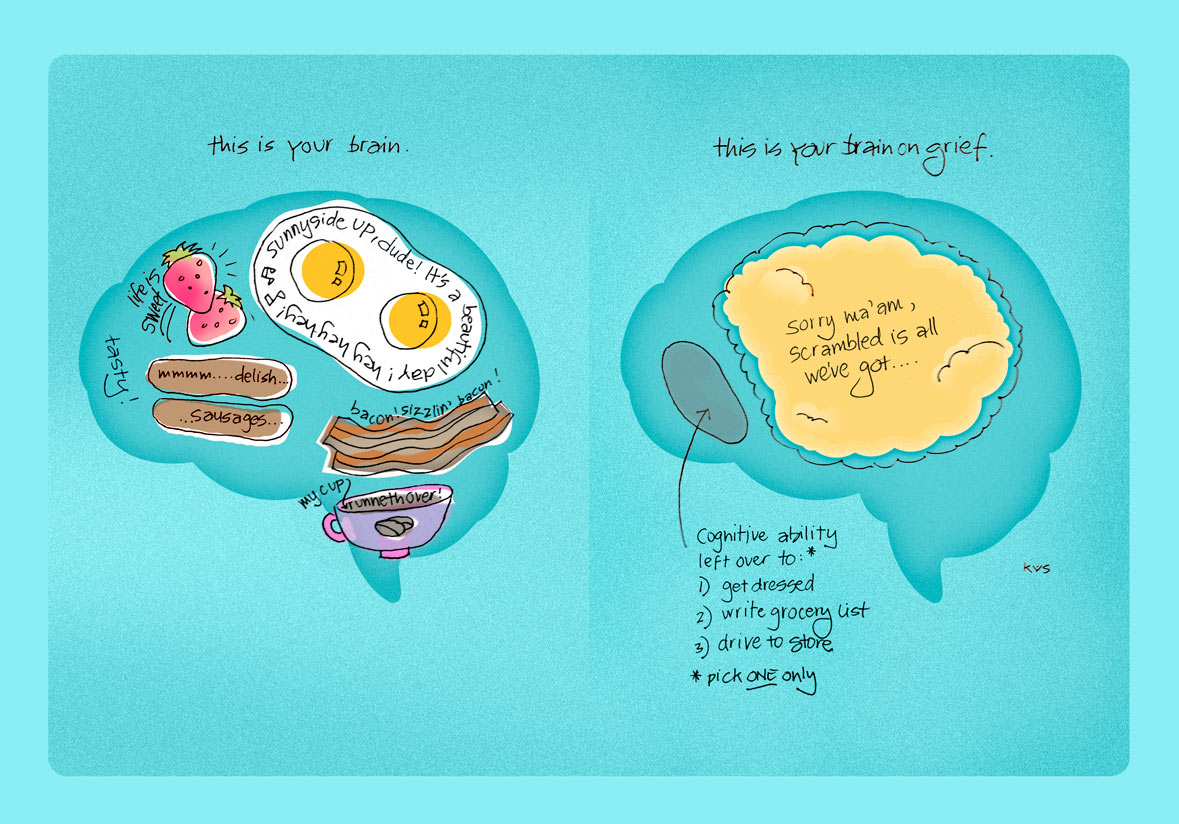
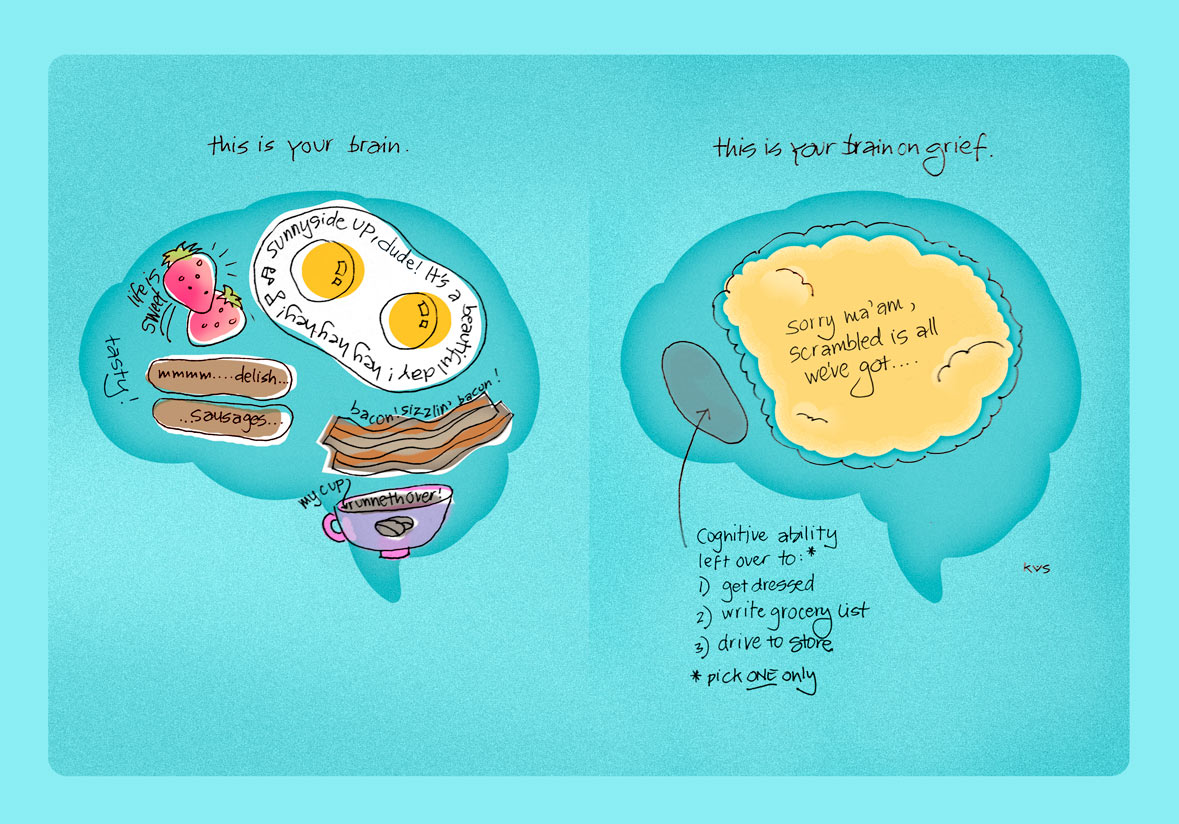
That’s what “grief brain” does to you.

Here are a few more examples of things that actually happened:  

  • Someone would say something to me and I hear them as if it’s another language-I have absolutely NO IDEA what they just said.
  • I had to write a list each morning of the most basic things to do (like eat) so that I didn’t forget to do them. I had to tape the list to the kitchen cabinet because otherwise I lost it.
  • I could no longer walk away from the stove when it’s turned on-I burned more than one pot of peas.
  • There are times I couldn’t remember my phone number or street address when asked.
  • I answered the phone, heard a familiar voice only to be confused about exactly who was on the other end of the line.
  • I became momentarily “lost” on familiar streets or in familiar stores.
  • Sometimes I literally couldn’t remember what day it was.
  • I forgot appointments, meetings and what time church starts on Wednesday night.

confused-huffpo

I began to wonder if I was losing my mind.  

And, in a way, I was.  

At least the mind I had BEFORE my son was killed.

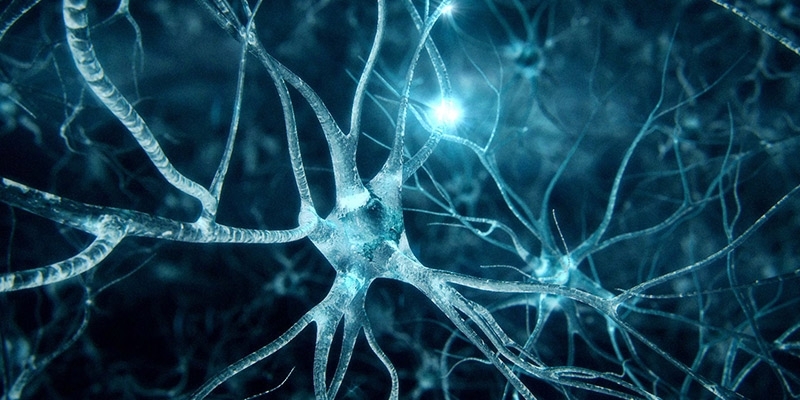
The initial shock was only a beginning.  Ongoing stress and related hormones as well as increased blood pressure, poor sleep, anxiety, profound sadness and being forced to acknowledge my own lack of control bombarded my mind for months.  Pathways I’d relied on for most of my life were changed or destroyed.

If you think of the brain as an interconnected web of associations, functions and activity, it’s easy to see that rerouting or destroying some of the connections makes it harder to access information and do tasks.

neurons

“[W]hen brain imaging studies are done on people who are grieving, increased activity is seen along a broad network of neurons. These link areas associated not only with mood but also with memory, perception, conceptualization, and even the regulation of the heart, the digestive system, and other organs.”  Prevention Magazine

It’s no wonder that I found it difficult to think and do the most routine tasks after child loss!  

My mind was fundamentally altered.

It’s not as bad now as it was in the beginning.

But I still struggle to remember things that used to come easily.  I still hear words that I don’t always understand.  I depend much more on paper and pencil to keep track of important dates, appointments and phone numbers than I used to.  And I never walk away from the stove.

If I make a lunch date with a friend, I ask that she message me the day before to remind me.  If I don’t comprehend what someone is saying, I request that they repeat it.  I keep a paper copy of important information in my purse and an electronic copy on my phone.

It’s frustrating sometimes, but it is not a moral failure that my brain isn’t as sharp as it once was.

What was embarrassing at first is now something I openly acknowledge. 

I ask for help and I don’t apologize.

It’s really OK.

grief-brain-quote-from-cf

Featured image via: bedraggled & kicking

My Choices Reflect My Focus

My daughter is a quote collector like her mama.  

Here’s the one she has taped to her dashboard:  

choices-reflect-rainbow

That is challenging for me.

When the one thing happens you think will never happen, well, that opens a whole chest full of fears you thought you’d locked inside.

But when I wake up I get to choose:  will I give in or fight back?

I’m learning that while I can’t stop the thoughts that fly around in my brain I can choose which ones I invite to make a nest there.

When fear threatens to undo me, I resist.  

I refuse to react to what MAY happen.  I choose to hold onto what IS happening, right now.

Truth is, either way, I have no control over the future.

I will not lose today because of what tomorrow might bring.

corrie-ten-boom-empties-today-of-strength


What To Do With All These Feelings???

Feelings, feelings and more feelings!

I’m overwhelmed with them. All. The. Time.

brene-brown-on-empathy-image

Sadness.  Longing.  Regret.  Hopelessness.

But also happiness, excitement and joy.

They bounce around in my head and heart doing battle like caged animals.

What to do? How do I keep my life in some sort of forward motion when if I give in to each and every feeling I’d be going in circles and heading nowhere?

One thing I can’t do is ignore them.

I’ve tried.

Stuffing pain down deep where I think it’ll never escape doesn’t work.

hungry

It just sneaks through whatever crack I haven’t managed to seal tight and shows up at the most inopportune moments.  And the release is often explosive-hurting me and those around me.

Journaling is the best method I’ve found to let my feelings out in a more controlled fashion.

I can say whatever I want to on paper without worrying it will harm another’s heart.  I can write things I would never be brave enough to speak aloud.  I can mark my page with anything I want to-it’s for my eyes only.

I find that letting go of the feelings I’ve been holding in for so long often results in great freedom and release even when my circumstances haven’t changed at all.

This pouring thoughts out on paper has relieved me. I feel better and full of confidence and resolution.

~Diet Eman, Things We Couldn’t Say

And writing them down, I am often better able to discern the reason behind the feelings, better able to think of what I might do to help myselfeven if no one else can help me. Seeing it in black and white I can find patterns and pinpoint unhealthy habits that are leading me down deadend alleys.

Successful journals break the deadlock of introspective obsession

~Alexandra Johnson, Leaving a Trace: On Keeping a Journal

I might start a journal entry with a thought bouncing around in  my mind, or a quote or a Scripture verse.  I may ask a question-of myself or of God-write a memory or whisper a fear.

However it begins the page soon fills with things I wasn’t even aware were inside me.  And almost always ends in a better place than where it started.  

Not one outward circumstance altered.

Not one problem “solved”.

Not a single aspect of life “fixed”.

Journal writing is a voyage to the interior. ~Christina Baldwin

But my ability to understand my own heart and to respond to the unchanging circumstances around me has been enlarged and strengthened.

My journal is the safest space to explore the nooks and crannies of how grief is changing me from the inside out.

Writing is the only way I have to explain my own life to myself.

~ Pat Conroy, My Reading Life

i-write-because-i-dont-know