I don’t know about you but I’ve never thought of hopelessness as something I wanted on my resume.
Hopelessness is typically tossed into the pile of “negative” feelings we all acknowledge but don’t want to experience and if we do, we try to minimize, rationalize or disguise them.
If I admit to it at all, I tend to look downward, whisper quickly and pray that no one takes much notice because it feels shameful.
But maybe hopelessness is the first step to truly celebrating Christmas.
I don’t know about you but I’ve never thought of hopelessness as something I wanted on my resume.
Hopelessness is typically tossed into the pile of “negative” feelings we all acknowledge but don’t want to experience and if we do, we try to minimize, rationalize or disguise them.
If I admit to it at all, I tend to look downward, whisper quickly and pray that no one takes much notice because it feels shameful.
But maybe hopelessness is the first step to truly celebrating Christmas.
Once the stone was rolled in front of the tomb there was no more denying the fact that whatever the disciples thought Jesus was going to do was not at all what He did.
None of them thought the story was going to end like this and yet here they were having buried their Master and their dreams.
Most of us can relate to a time when we thought our dreams were God’s dreams and we were on the path to victory only to round the next bend and head straight to defeat-or worse.
It is tempting to forget that there were three long days and nights between the crucifixion and the resurrection beause the way we observe this season rushes us past the pain to embrace the promise.
But it’s not hard for me to imagine how the disciples felt when they saw Jesus was dead. It was neither what they expected nor what they prayed for.
There were many points in the story when things could have gone a different way:
When taken by the religious leaders-surely, they thought, He will explain Himself, they will let Him go.
When taken before Pilate-Rome will refuse to get involved with our spiritual squabbles, Pilate won’t authorize His death.
When presented to the crowd-no Jew would rather have a wicked murderer released instead of a humble, healing Rabbi.
At every turn, every expectation they had for a “happy ending” was dashed to the ground.
I don’t know about you but I’ve never thought of hopelessness as something I wanted on my resume.
Hopelessness is typically tossed into the pile of “negative” feelings we all acknowledge but don’t want to experience and if we do, we try to minimize, rationalize or disguise them.
If I admit to it at all, I tend to look downward, whisper quickly and pray that no one takes much notice because it feels shameful.
But maybe hopelessness is the first step to truly celebrating Christmas.
It’s tempting to line up our friends and acquaintances in columns under headings of “perfect family”, “good christian”, “struggling addict” or “hopeless case”.
When I label someone I justify my response-good or bad-and let myself off the hook for sharing the extravagant, unrestrained love God has shown to me.
The longer I live, the more people I meet, the more certain I am that the neat little categories we like to use are not very helpful.
If I decide they are “doing well” then they don’t need my help.
And if I decide they are “beyond hope” then why waste my time or effort?
Either way, I’m wrong.
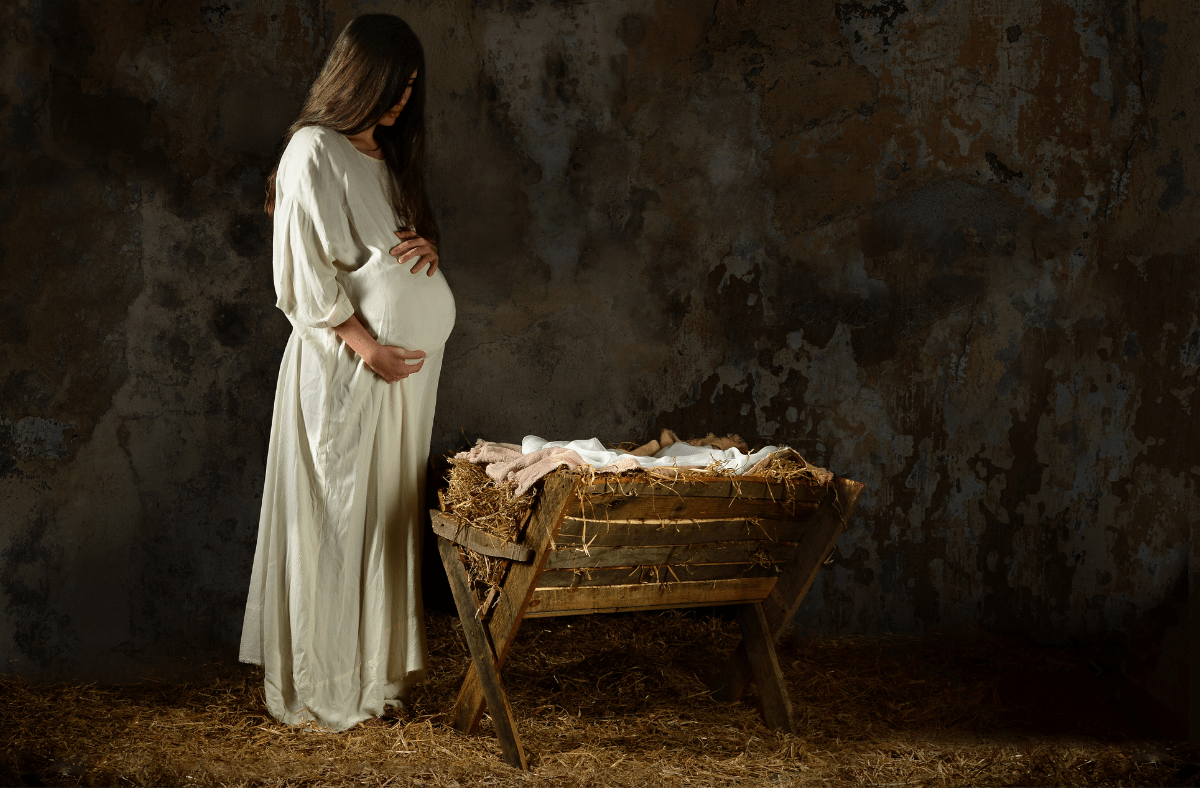
Christmas is the story of God come down-Emmanuel-of Love reaching down into a dark and lonely world. It was hardly tidy, it was a Messy Christmas
I don’t know about you but I’ve never thought of hopelessness as something I wanted on my resume.
Hopelessness is typically tossed into the pile of “negative” feelings we all acknowledge but don’t want to experience and if we do, we try to minimize, rationalize or disguise them.
If I admit to it at all, I tend to look downward, whisper quickly and pray that no one takes much notice because it feels shameful.
But maybe hopelessness is the first step to truly celebrating Christmas.
Not always, or even often, because it makes me feel better.
Rather, like poetry, music distills deep emotions into few words that resonate in my soul.
This isn’t a new song and I have heard it many times. But just the other day someone posted it in a group where we were praying desperately for a baby with profound health issues. Barring a touch from the Father’s hand, there was little hope.
The precious little warrior went home to rest, healed and whole, in the arms of Jesus.
So I listened again. And I realized how unbearably true the lyrics are.
Two months is too little
They let him go
They had no sudden healing
To think that providence would
Take a child from his mother while she prays
Is appalling
Who told us we’d be rescued?
What has changed and why should we be saved from nightmares?
We’re asking why this happens
To us who have died to live?
It’s unfair
Natalie Grant, This is What it Means to be Held
Appalling, unfair, why did this happen?
Oh, how those questions still rattle around in my heart and mind on some days. When Dominic first left for Heaven they were my constant companion.
“Who told us we’d be rescued?”
Who indeed.
Certainly not Jesus.
He said we’d have trouble in this world. He never sugar coated how hard life could be.
But He left us with the promise that He would be with us no matter what. We would never be alone in the flood or the fire or the deep, deep pit of child loss.
This is what it means to be held
How it feels when the sacred is torn from your life
And you survive
This is what it is to be loved
And to know that the promise was
When everything fell we’d be held
Natalie Grant
Child loss shattered everything-my heart, my world and my understanding of how God works in it. The sacred was most certainly “torn from my life”.
My struggle with the God I thought I knew was as painful as the devastation of burying my son.
This hand is bitterness We want to taste it, let the hatred numb our sorrow The wise hands opens slowly to lilies of the valley and tomorrow
Natalie Grant
It’s so tempting to swallow bitterness when unending despair seems like the only alternative.
But it doesn’t numb the sorrow. Bitterness turns a heart so hard it can’t feel anything-not even love.
The wise hand does open slowly-oh, so slowly-to the beauty and promise of tomorrow.
This is what it means to be held How it feels when the sacred is torn from your life And you survive This is what it is to be loved And to know that the promise was When everything fell we’d be held
Natalie Grant
When we received the news that Dominic left us that early, still-dark morning, I looked over to a sculpture of upturned hands on my living room table and said, “I can’t open my hands to receive blessings if I don’t also leave them open for the bruisings.”
It’s true.
God is holding me still. He is blessing me still.
I will, undoubtedly, be bruised again in some way.





 thelifeididntchoose