Here Are Some Practical Ideas for Dealing with Holidays after Child Loss

It cannot be overstated:  holidays are extremely hard after loss.  Every family gathering highlights the hole where my son SHOULD be, but ISN’T.

There is no “right way” or “wrong way” to handle the holidays after losing a child.

For many, there is only survival-especially the very first year.

So here are some ideas from other parents that can help.

Read the rest here: Practical Ideas for Dealing with the Holidays after Child Loss

Holidays 2020: What The Bereaved Need From Friends And Family

I wrote this four years ago when I realized how hard it was for wounded hearts to tell friends and family what they needed around the holidays.

It’s been shared more than 130,000 times which might reflect that it hits the mark for at least a few folks. My prayer is it makes a difficult season a little less so.

If it speaks for you, feel free to share and let the ones you love know how they can make a hard season slightly easier on your heart. ❤


“I know it is hard.
  I know you don’t truly understand how I feel.  You can’t.  It wasn’t your child.

I know I may look and act like I’m “better”.  I know that you would love for things to be like they were:  BEFORE.  But they aren’t.

I know my grief interferes with your plans.  I know it is uncomfortable to make changes in traditions we have observed for years.  But I can’t help it I didn’t ask for this to be my life.

Read the rest here: Grief and Holidays:What the Bereaved Need From Friends and Family

What About The Holidays?

I know it’s still rather warm in many parts of the United States but like it or not the holidays are coming.

And this year promises to be more difficult for everyone.

Now it’s not only the bereaved trying to avoid the mines of tradition set amidst the fields of fall and winter celebrations.

We are all going to have to manage different expectations, needs, comfort zones, fears and anxieties.

Christmas is coming - Home | Facebook

So, in hopes of helping families have the hard discussions sooner rather than later, I’m going to share a series of posts I wrote several years ago.

We’ll start with this one-helpful hints on how to have those conversations. ❤

You don’t have to bury a child to know that changing long-standing family traditions around holidays is a hard, hard thing.

Just ask a parent trying to work out Thanksgiving and Christmas for the first time after an adult child marries.  Suddenly the way things have “always been” are no longer the way things are.

Holidays typically involve so many more people and family members than everyday get-togethers and each person brings expectations, emotions and personal history to the table.”

Read the rest here: Grief, Holidays and Hard Conversations

It Takes A Bit of Brave To Say What’s Important

Last year around this time I was hunkered down with my daughter-in-law, my grandson and her mama at my parents’ farm waiting on Hurricane Dorian to make landfall.

It was eight days with a full house, some craziness and lots and lots of sweet memories that I now treasure more than I could have ever imagined while we were making them.

My mama joined Dominic in Heaven just a few short weeks later.

Hurricanes and random shootings and sudden death can make a heart remember that relationships are really what matters.

One hard, hard lesson I’ve learned from waking up one morning to a never-coming-home son is this: You may not have another chance to make amends, say “I love you“, kiss a face or hug a neck.

I’m here to tell you:  don’t drown your important relationships in unsaid words, unshared feelings, unacknowledged wounds.  

All that does is guarantee distance grows between your hearts.  

If you let the distance become too vast, or the pile of unsaid truth get too high, you might just find you can’t reach that far or that high to reconnect.

It takes a bit of brave to say what’s important and uncomfortable. 

Read the rest here: Speaking Truth

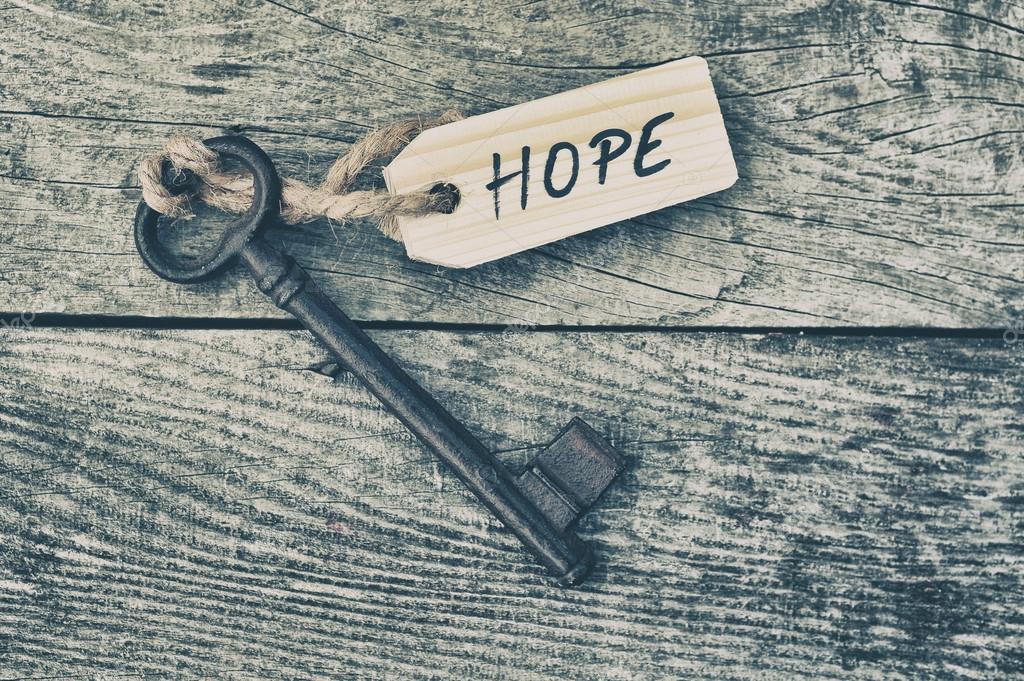
There’s Hope in Every Scar

Sometimes people ask, “How can you cling to Jesus when He could have saved your son, but didn’t?”

I give the same answer Peter gave, “Lord, to whom would we go? You have the words of eternal life.”

He is light and life in the Valley and on the hilltop, in the fire and in the flood.

He will redeem every tear and restore every thing the enemy has stolen.

My scars tell a story: Yes, I’m wounded but I’m still walking. I’ve been hurt but I’m healing.

There’s hope in every scar.

Suffering is but a moment.

This is not forever.

Jesus is.

Hallelujah!

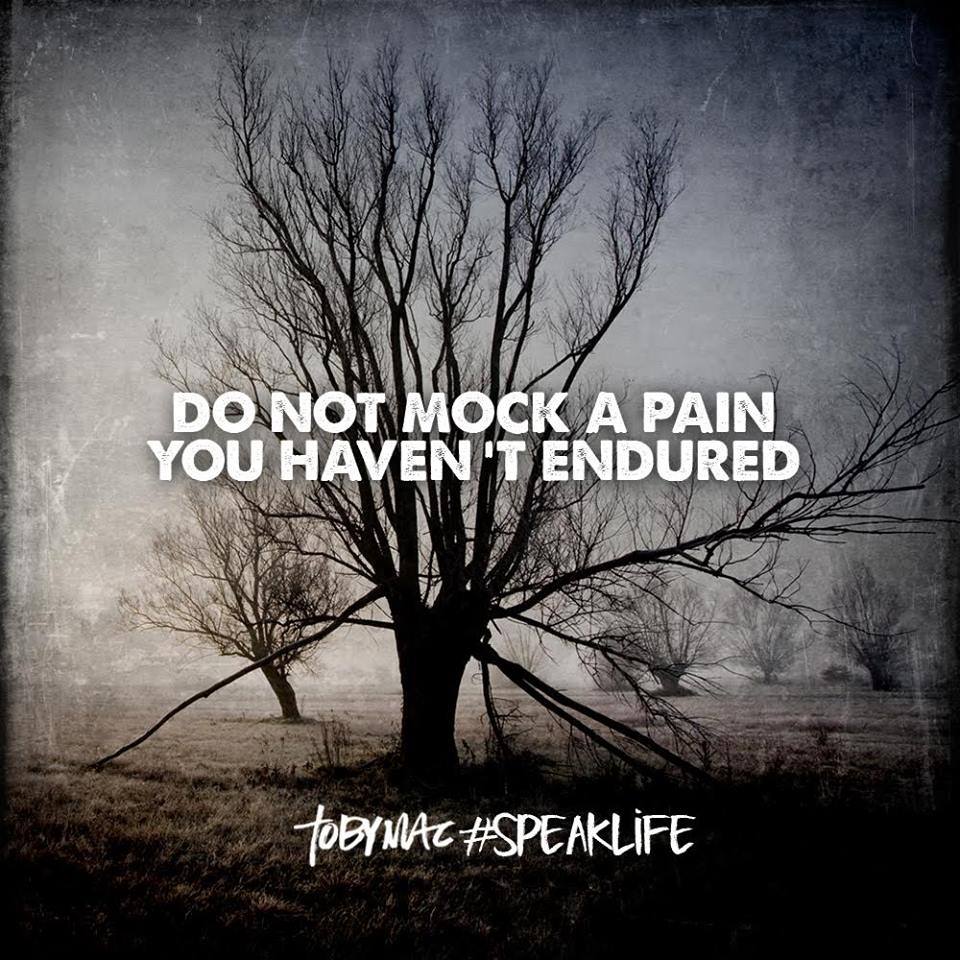
Don’t Mock A Pain You Haven’t Endured

Hey- I love a joke as much as anyone.

But there’s a difference between a genuine joke and a mocking comment made at the expense of another.

So often we laugh off things other people endure because we are afraid-afraid of the pain and the broken heart bearing it.

Stop laughing. Start loving. ❤

A Walking Nerve

It’s hard to explain to anyone who hasn’t walked this path.

Deep pain and unfathomable sorrow stripped me of any reserve, any defense, any padding between the wider world and my oh-so-fragile heart.

I was a walking nerve.

Every awkward and less-than-thoughtful word or deed by friends, family and acquaintances rubbed me raw. I was utterly incapable of extending grace even as I knew I should and understood that most often their intentions were kind.

I had suffered a grievous wound and spent most of my energy just trying to protect what was left of my heart.

All I wanted to do was retreat to the safe cocoon of my own home. I unfollowed people on social media, I screened telephone calls, I rarely ventured out for anything but the most necessary supplies. It was the only way I could provide the space and time needed for my heart to heal enough to bear even the slightest brush with folks who might say or do the wrong thing.

It helped.

Eventually I found the strength to venture beyond the safety of home, family and the few friends with whom I felt comfortable and secure.

I could scroll through Facebook once again without reacting to every single post.

I went back to church and even showed up for covered dish socials where I couldn’t be certain which way the conversation would flow or who might get me blocked into a corner and ply me with questions.

I attended a few large gatherings: graduations, weddings and a Stephen Curtis Chapman concert.

So if you are in the early days of this hard, hard journey, do what you have to and find the safe circle that gives you time, space and grace to help your heart toward healing.

It may take longer than you’d like, but resting from the constant pressure of trying to protect yourself from the hustle and bustle in a world where child loss is misunderstood and frequently ignored will make a difference.

And one day, like me, you might well wake up and realize that what once felt like personal attacks are simply folks saying and doing foolish things because they haven’t been forced to learn the wisdom of compassion through unfathomable loss.

I’m still more sensitive than I used to be.

There are times I just can’t take crowds, unpredictable settings, offhand comments about death, dying, grief and heartache.

But I’m finally able to walk in the world without feeling I have to protect my heart at every turn.

It’s liberating and I’m thankful.

Prisoner Of Hope

When Jesus claimed me as His child, I was liberated from darkness and made a prisoner of hope.

No matter how black the night, there is a pinhole of light. No matter how crushing the despair, there is a sliver of strength. When I want to stay under the covers, He beckons me to come out and I cannot resist.

I am a slave to the promise of Heaven.

I am bound by hope to the One who makes the rain, the One who spoke the mountains, the One who breathed the stars, the One who gives and takes.

And in that hope I find perfect freedom.

Glory.

My fears were drowned in perfect love

You rescued me

And I will stand and sing

I am a child of God

No Longer Slaves by Joel Case / Jonathan David Helser / Brian Mark Johnson

The music reminds me of the Glory to come, and I know Dominic would approve.

Music was his passion.

I like to think of him surrounded by songs and sounds of unimaginable beauty. So I count the days, and I count it joy that I will see him again.

I can hear him saying, “Do you really believe, Mom?”

Yes, sweet boy.

I do.

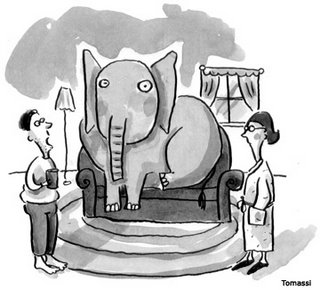
Grief Is The Elephant In The Room

I’ve often been the person who refused to go along with some group’s plan to ignore a real issue and try to talk around it.  

I usually begin like this, “I know it’s hard to talk about, but let’s be honest and…”

I’m even more inclined in that direction now. If my son’s instant and untimely death has taught me anything, it’s taught me that there’s no use pretending.

So I’m not going to pretend:  Western society doesn’t do grief well.

Read the rest here: The Elephant in the Room

Grief’s Physical Toll

I don’t know about you but my face and my body tell the tale.

It’s a story of stress and strife and it’s not pretty.

I look at photos before and after and see grief written all over the pictures taken since Dominic ran ahead to Heaven.

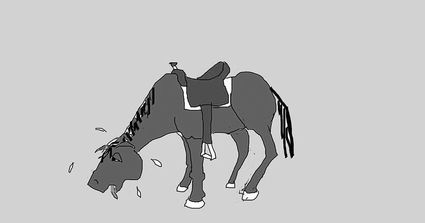
There’s an old saying in the South when you see someone who looks exhausted and unwell: “She’s been rode hard and put up wet.” My horse loving friends will get it right away.

For the rest of you this is what it means: When a horse is ridden hard or worked long, it sweats. The kind and appropriate thing to do is to walk the animal until it dries off and then stable it. Doing so means the horse’s muscles have time to recover from the exertion and helps prevent injury or lameness. If a horse is repeatedly “rode hard and put up wet” it begins to show in her performance, resilience and ultimately, in longevity.

Living with child loss is definitely a hard slog through difficult terrain.

While my burden is not nearly as hard to carry TODAY as it was in the beginning (six years ago) it still adds significant resistance and requires more effort when doing everyday tasks or facing new challenges.

And I rarely have the ability or capacity to treat myself to a “cool down” period because my to do list is long and the days seem short. Life just doesn’t let up.

It has taken a physical toll.

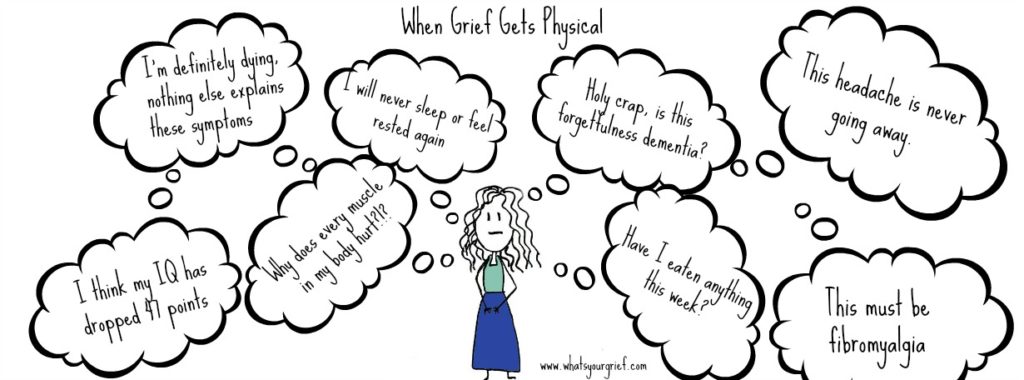
I tire more easily-physically, emotionally and mentally. I am less resistant to illness. My chronic disease has progressed more in these six years despite aggressive treatment than the decade previous to Dom’s leaving. I don’t handle change well. I am more prone to call it quits, give up and give in when things get tough instead of powering through. I have a drastically shortened attention span. It’s hard to remember details and words-I write things down so I won’t forget. The lines in my face have deepened and multiplied. Sometimes getting out of bed is the bravest thing I do all day.

I could list at least a dozen more ways grief impacts my body but you get the idea.

Dealing With Physical Grief Symptoms Whats your Grief

Grief isn’t *just* an emotional response to loss.

It’s physical too.

So if you are noticing your body doesn’t act like it used to, you’re not alone.