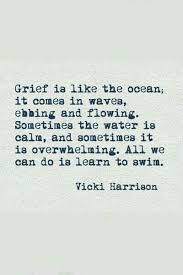
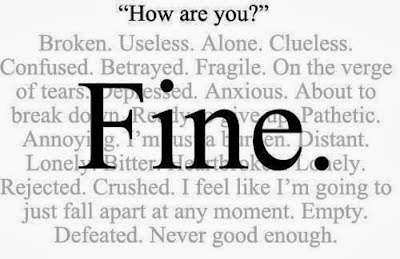
It didn’t take long after Dominic’s leaving for life to ramp up and obligations to pour in. We had two graduations and a wedding within two months of his funeral.
Then there were thank-you notes to write, dishes to return and every day chores necessary to manage a home and family.
No escaping what must be done.
It took me a little while to realize that if I was going to survive this lifelong journey I had to make some changes in how and when I responded to requests to do something, be somewhere or participate in outside events. Because no matter how worthy the request, there was only so much of me to go around and I was forced to spend nearly all my energy and time and effort on figuring out how this great wound was impacting me and my family.
I cannot overemphasize how much strength and energy is needed to do the work grief requires.
At first, turning down a request or asking someone to reschedule was relatively easy-the loss was fresh in their minds and they were gracious and understanding. As the weeks and months and now YEARS have passed, it is harder. Not always because they don’t understand but because I sometimes hold myself to an untenable standard that says I should be better by now. I should be able to do all that I could once do. I shouldn’t be so sensitive to the date on the calendar or the place we might meet for lunch or the rainy weather that brings my mood down.
But I’m not able to ignore all those things and sometimes I just can’t do what someone else would like me to be able to do.
So I keep repeating the mantra, “grace and space” to myself.
I need grace-from my own heart FOR my own heart– I must cut myself the slack I would be happy to extend to others.
I need grace from friends and family. I cannot help you understand exactly what it’s like to be me. You can never know all the ways I ache for the life I had before Dominic ran ahead to heaven. You could never imagine all the daily pinpricks my soul must suffer as I walk in this world and am reminded of what I’ve lost.
So you will have to take it on faith when I say, “I just can’t do that”.
I need space.
I need space between me and the noise of the world and the shouting urgency of “to do” lists and project deadlines. So much of the work I must do is silent, solitary work. It takes hours and hours of thinking, talking to God, reading Scripture, journaling and just being alone to sort this all out.
I’m not rejecting YOU-I’m trying to preserve ME.
It isn’t selfishness, it’s love for my family. I refuse to add to their burden by running myself into the ground. I won’t choose to make life harder for them by creating an unecessary crisis.
I don’t know when I might (or IF I might) return to the busy bee I once was. Right now I can’t even imagine it.
I think I will need grace and space for a very, very long time.
Grieving parents often face the additional challenge of trying to help their surviving children process the death of a sibling.
While there are many factors that influence how a particular child understands and works through his or her grief, age at time of bereavement plays a significant role.
Children’s grief can look very different than that of the adults around them. And that grief may resurface later on as the child grows and matures, even long after the death of a loved one.
I came across this helpful article that lists common bereavement reactions by age group and have reprinted it in its entirety. It was originally published at KidsHealth New Zealand. http://www.kidshealth.org.nz
Key Points to Remember About Bereavement Reactions:
how any child or young person grieves when someone they love has died will depend on many things
babies, children and teenagers tend to grieve in bursts, and at other times will look for reassurance and comfort in their normal routines and activities
bereaved children and teenagers will need ongoing attention, reassurance and support – it is not unusual for grief to resurface later on, even well after the death
How any child or young person grieves when someone they love has died will depend on many things, such as their:
age
gender
their developmental stage
personality
ways they usually react to stress and emotion
relationship with the person who has died
earlier experiences of loss or death
family circumstances
how others around them are grieving
amount of support around them
Babies, children and teenagers may often seem unconcerned, playing or doing their usual activities, so adults can assume they are not properly aware of the death, or affected by it. They are, but in their own ways. Babies, children and teenagers tend to grieve in bursts, and at other times will look for reassurance and comfort in their normal routines and activities.
Bereaved children and teenagers will need ongoing attention, reassurance and support.It is not unusual for grief to resurface later on, even well after the death. This can happen as they move through different life milestones, and develop as individuals.
Babies and Toddlers:
At this young age babies and toddlers don’t have an understanding of death nor the language to say how they are feeling. However, they can definitely experience feelings of loss and separation and are likely to pick up on the anxiety or distress of close adults or others around them.
Common reactions can include:
looking for the person who has died
being irritable
crying more
wanting to be held more; being clingy
being less active – quiet, less responsive
possible weight loss
being jumpy, anxious
being fretful, distressed
How to help them:
keep routines and normal activities going as much as possible
hold and cuddle them more
speak calmly and gently to them – and be calm around them
provide comfort items, such as a cuddly toy, special blanket etc
Preschoolers
At this age children find it hard to understand that death is permanent. They are also at a stage of magical thinking, for example, thinking someone will come alive again or thinking somehow they made someone die. They understand separation though, and feel insecure and frightened when the familiar things around them change. This age group needs a lot of reassurance that they will be safe and looked after.
Common reactions can include:
looking for the person who has died
dreams, or sensing the presence of the person who has died
fearfulness, anxiety
clinginess
being fretful, distressed
being irritable; having more tantrums
withdrawing, being quiet, showing a lack of response
changes in eating
difficulty in sleeping
toileting problems, bed wetting, soiling
regressing in progress; for example, returning to crawling, wanting a bottle
How to help them:
keep routines and normal activities going as much as possible
tell them you know they are sad – start to teach and use words that describe feelings
tell them they are safe, and who is looking after them
keep separated from them as little as possible
comfort them with hugs, cuddles, holding their hand, and by encouraging them
speak calmly and gently to them – and be calm around them
explain death as part of life, so they come to understand it bit by bit. Using some examples in nature may be helpful, such as watching plants grow, bloom and die or seasons change
provide comfort items, such as a cuddly toy, special blanket etc
encourage play – children can often use play to help them process what’s happened; for example, sand play, puppets, dolls, writing, drawing, painting and various physical activities
Primary School Children
Primary school children are still learning to understand death and can have some confused thoughts about it. They may think death is temporary, or that the person who has died may still feel things, such as coldness, hunger or loneliness etc. They may ask where the person is now, and have blunt questions to ask about what happened to them and to their body. Explaining death to them is very important.
Common reactions can include:
looking for the person who has died
having dreams about, or sensing the presence of, the person who has died
blaming themselves for the death
being easily distracted, forgetful
being anxious; having increased fears, such as of the dark, of others’ safety
clinginess – wanting to be near you or others more
withdrawing, being quiet, showing a lack of response
being fretful, distressed, not wanting to go to school
feeling embarrassment; feeling different from others; may conceal their loss
physical complaints, such as tummy aches, headaches, aching
being irritable, having more tantrums, being defiant, or developing antisocial or aggressive behaviour
changes in eating or sleeping habits
toileting problems, bed wetting, soiling
How to help them:
frequently reassure them they are safe, and who is looking after them
keep routines and normal activities going as much as possible
tell them you know they are sad – start to use words that describe feelings
keep separated from them as little as possible
allow questions and provide honest answers
comfort them with hugs, cuddles, holding their hand, and by encouraging them
speak calmly and gently to them – and be calm around them
explain death as part of life, so they come to understand it bit by bit. Using some examples in nature may be helpful, such as watching plants grow, bloom and die or seasons change
let them help in planning the funeral or something to remember the loss
provide comfort items, such as a cuddly toy, special blanket etc
encourage play – children often can use play to help them process what’s happened; for example, sand play, puppets, dolls, writing, drawing, painting and various physical activities
Older Children (10-12 years)
Common reactions include:
All of the above relate to this age group, but it’s important to be aware that by this age children know death is final. They are also more aware of how adults and others around them are reacting to death. This group may also:
be especially anxious about the safety of family and friends, and themselves
try very hard to please adults and not worry them, and so not let themselves grieve
feel stronger emotional reactions, such as anger, guilt, sense of rejection
want to take on more adult responsibilities, trying very hard to please
feel embarrassment; feel different from peers; may conceal their loss
become more focused on what’s happened and ask questions, think about it a lot, have dreams about it, and perhaps want to talk about it often to others
How to help them:
They need all of the help in the previous section plus:
time to talk with you and other trusted adults, when they need to
regular reassurance – spoken, and with encouraging physical touch (such as hugs, pat on the back etc).
honesty about events, and feelings
to know you understand their grief
regular encouragement
avoid expectations of adult behaviour – allow them to be the age and stage they are
Teenagers
By adolescence, death is accepted as part of life, but it may not have affected a teenager personally yet. Their reactions may fluctuate between earlier age group reactions and reactions that are more adult.
Teenagers will often want to be more with friends than family as they seek support. They may find the intensity of emotion overwhelming or scary and not be able to find the words or ways to talk about them with others. They may want to feel they’re coping, and be seen to be, but inside be hurting a great deal, or be putting their emotions on a shelf for a later time.
Death can so shake teens that some react with risk taking behaviour – to escape the feelings and reality and as a source of comfort; for example, drinking, drugs, more sexual contact or reckless driving.
Common reactions can include:
being easily distracted, forgetful
having difficulty concentrating at school
being unsettled in class, a change in class performance, not wanting to go to school
being overwhelmed by intense reactions, such as anger, guilt, fear
having difficulty expressing intensity of emotions, or conflict of emotions
blaming themselves for the death
anxiety – increased fears about others’ safety, and their own
having questions or concerns about death, dying, mortality
dreams about, or sensing the presence of, the person who has died
wanting to be near family or friends more
withdrawing to be alone
physical complaints, such as tummy aches, headaches, aching
being irritable, defiant, more antisocial or displaying aggressive behaviour
risk-taking behaviour to escape, to comfort, or to prove they’re alive and strong; for example, drinking, drugs, more sexual contact or reckless driving
changes in eating, sleeping habits
bedwetting
jokes or humour, masking feelings
saying, or acting like, they don’t care
wanting to take on more adult responsibilities, trying very hard to please
strained relationships with others – fear or awkwardness about being close to others
feeling embarrassment; feeling different from peers; may conceal their loss
a sense of loneliness – isolation
a change in self-image, lower self-esteem
possibly suicidal thoughts
possibly moving from sadness into depression
How to help them:
be honest and let them know what’s happening
be willing to listen, and available to talk about whatever they need to talk about
acknowledge the emotions they may be feeling—fear, sadness, anger
it can be helpful for parents, or other adults, to share their own feelings regarding the loss
frequently reassure them they are safe, who is caring for them, and which adults they can trust to ask for further support
keep routines and normal activities going as much as possible
talk to them about grief – what it is, that it’s normal, that everyone is different
avoid expectations of adult behaviour – allow them to be the age and stage they are, encourage them to express their thoughts and feelings – give them ideas of things they could try, such as doing physical activities, writing, singing, listening to music, talking with friends, reading etc
allow questions and provide honest answers
comfort them with hugs, cuddles, holding their hand, and by encouraging them
speak calmly and gently to them – and be calm around them
talk about death together; answer any questions they may have
let them help in planning the funeral or something to remember the loss
Bereaved children and teenagers will need ongoing attention, reassurance and support. It is not unusual for grief to resurface later on, even well after the death. This can happen as they move through different life milestones, and develop as individuals.
If you are concerned about any extreme reactions, or if you think the young person may have become depressed, contact your doctor or other trained adviser, such as a counsellor, senior staff member from their school, social worker, community or youth worker or a local family support agency.
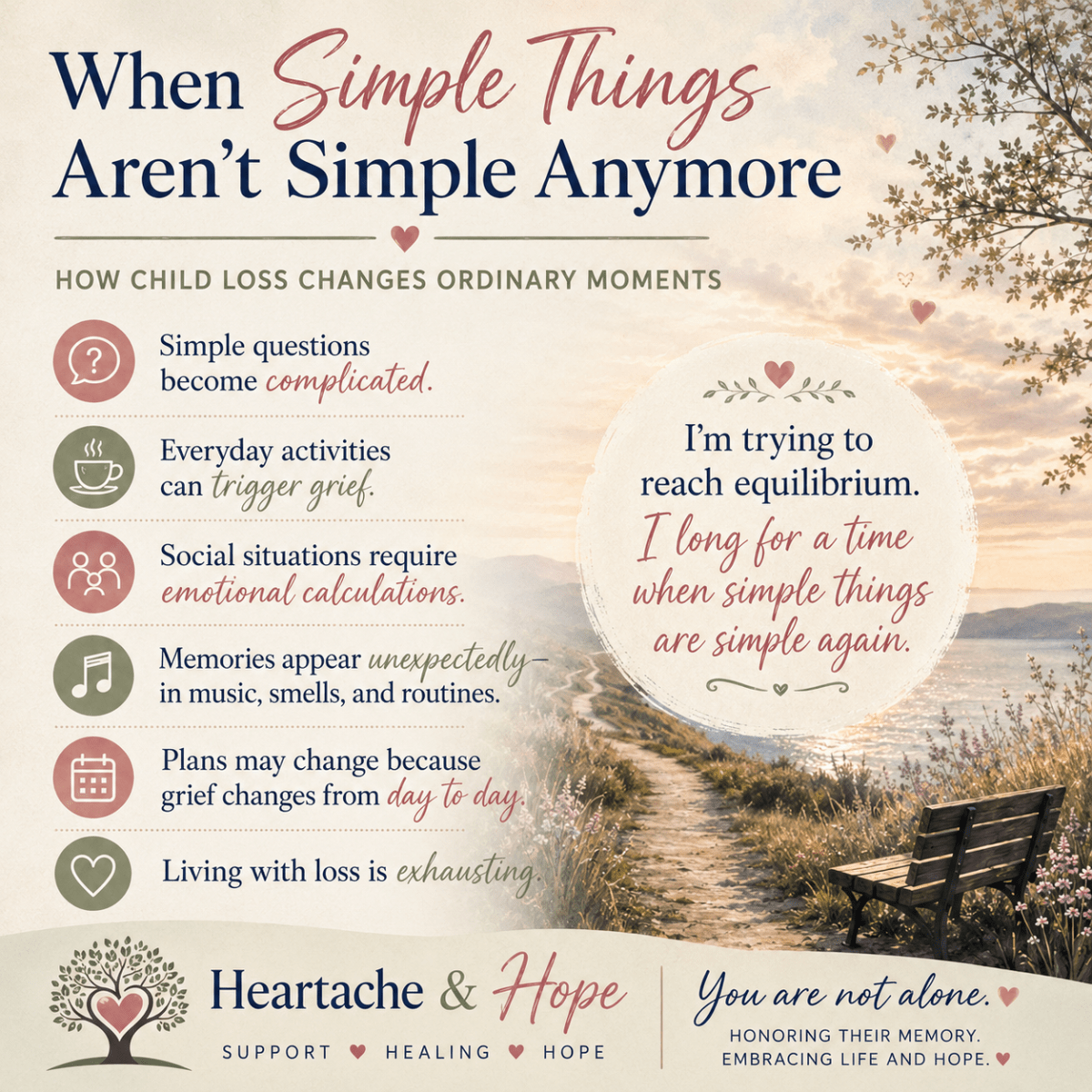
One of the things I’ve been forced to embrace in the wake of child loss is that there are very few questions, experiences or feelings that are simple anymore.
“How many children do you have?”
A common, get-to-know-you question lobbed across tables, down pews and in the check-out line at the grocery store. But for many bereaved parents, it can be a complex question that gets a different answer depending on who is asking and where we are.
I decided from the beginning that I would say, “four” in answer to that query.
But that doesn’t always get me off the hook. A follow-up of, “Oh, what do they do?” means that I have to make a decision: do I go down the line, including Dominic in any kind of detail or do I gloss over the fact that one of my children now lives in heaven?
I try to gauge whether or not the person is deeply interested or just being polite. No sense making them feel uncomfortable if they are really only making chitchat.
All of these calculations flash through my mind in an instant but they are distracting and draining.
“Want to go to a movie?”
Maybe.
First I have to look up the plot (something I never did before because I didn’t want to ruin it). I can’t be stuck in a dark theater in the middle of a row full of people with no way out if larger-than-life there will be anything that sends me back to Dominic’s accident.
Same standards for television shows or books-but it’s easier to turn those off or set them down.
Sitting in church can be excruciating.
A hymn or chorus, a Bible text, a random statement from the pulpit-any or all of those things can lead my thoughts down a path that takes me to a dark place where sorrow is overwhelming.
No matter how much I long to listen and participate, I find myself literally biting my tongue so that I don’t burst into loud sobs.
It doesn’t happen every Sunday, but I never know when it might.
Social media is an emotional minefield.
I confess that in the first days after Dominic left us, I had to limit the posts that showed up in my Facebook newsfeed. It was too difficult to see complaints about children growing up or graduating and how hard it was to “let them go”. I could not take whiny status updates that included having to wait in line for the new iPhone.
It’s easier now that my grief isn’t so raw but there are days…
Making a meal, I reach for his favorite ingredient or leave something out because “Dominic doesn’t like it that way” and then I remember he won’t be here to eat it.
Music can transport me to a moment of joy or pain with a single note.
Sometimes I walk in a store and smell coffee-he loved coffee-and I have to turn around and leave. Other times the fragrance draws my mind to sweet memories of shared Starbucks runs for a caffeine infusion.
If you ask me to do something next week or next month, I might say, “yes” and then find on that day I just. can’t. go.
I used to be a woman who lived by her calendar and commitments, but now I’m someone who never knows what a day will bring.
Learning to live with this changed me is an ongoing process and exhausting at times.
So much energy is used up negotiating what used to be simple things that there’s not enough left for pursuing new interests or delving deeper into old ones.
I’m trying to reach equilibrium.
I long for a time when simple things are simple again.
For some of us life’s twists and turns include unfathomable pain, sorrow and loss. Broken hearts beating side by side in the dark often find it difficult to reach out across a chasm of grief.
Marriage is hard work under the best of circumstances. Child loss makes it harder.
But there are ways to create space for one another and to extend grace even in this Valley.
❤ Melanie
It’s no secret that men and women are different.
It’s the subject of everything from romantic comedies tohundreds of books.
“Men are from Mars, women are from Venus” and all that.
So it shouldn’t surprise those of us walking this Valley that our spouse may be grieving very differently than we do. But it often does. Because everything is amplified when it echoes off the high mountains on either side.
And just when we need it most-for ourselves and for extending to others-grace is often in short supply.
So differences become offenses and offenses stack like bricks to build a wall between us and the one person as intimately connected to our missing child as we are.
Instead of holding each other up, we sometimes tear each other down. Instead of leaning in, we pull away. Instead of talking, we tune out.
Instead of crying together, we cry alone.
Even when we open up and try to address these differences it often ends in disagreement or is met with silence.
That’s discouraging.
I firmly believe that grief doesn’t really change the fundamentals in a relationship but it magnifies them. We all have cracks in our marriages. Two imperfect people do not make a perfect couple regardless of how lovely the photos might be.
Child loss makes the cracks more evident. What might be ignored otherwise, becomes unavoidable. Add gender differences to the load of grief and it’s no wonder many of us struggle.
So how can a marriage survive?
Here are a few pointers:
Admit that you and your spouse are different people. Your life experiences, gender and personality affect how each of you grieve. Different isn’t better or worse, it’s just different.
Purpose to assume the best and not the worst of your spouse. When he or she makes a comment or shoots you a “look” don’t immediately ascribe dark motives. It may be she’s having an especially bad day or he is tired or distracted.
Look for common ground. When you are both in a neutral environment and rested, ask your spouse what they need from you. Then listen without being defensive. It could be that seeing you cry upsets him so that’s why he tries to shut you down. She might long to hear him say their child’s name aloud. Even if nothing changes, sometimes being heard makes a difference.
Consider couples’ counseling. Having someone outside your immediate grief circle listen to and guide you through feelings, concerns and problems is almost always helpful. It might only take a few sessions to give you both the tools necessary to walk yourselves through the rough patches.
Talk TO your spouse instead of ABOUT him or her. This can be a hard one! I think we all need a safe friend or two who will let us vent. That’s healthy. But it’s not healthy to talk about our spouse to others in what amounts to a bid for support of our own opinions and prejudices. Gathering wood for the fire of offense is easy. Putting out the blaze (even if you want to) is hard.
Remember that when feelings fluctuate, commitment carries you through. Grief isn’t just one emotion, it’s a tangled ball of emotions. On a given day you might feel sad, disoriented, angry, anxious and despondent. All that emotional weight is added to whatever else you may be feeling about your spouse. Sometimes it’s just too much to bear and running away seems like the most logical answer. But it’s not. We can never run far enough or fast enough to get away.
There’s no magic to marriage before or after child loss.
It’s mostly work.
We can choose to do that work together in spite of our differences.
We can choose to grow stronger instead of growing apart.
Still standing.
****FULL DISCLOSURE****
My husband and I do not do this perfectly or even close to perfectly. But we are still trying. At different points in this long (almost) six years, we’ve been better or worse at all of it. So don’t think if you are struggling it means you can’t hang on. Sometimes it’s by the tips of your fingernails, but if you refuse to let go, you can make it.
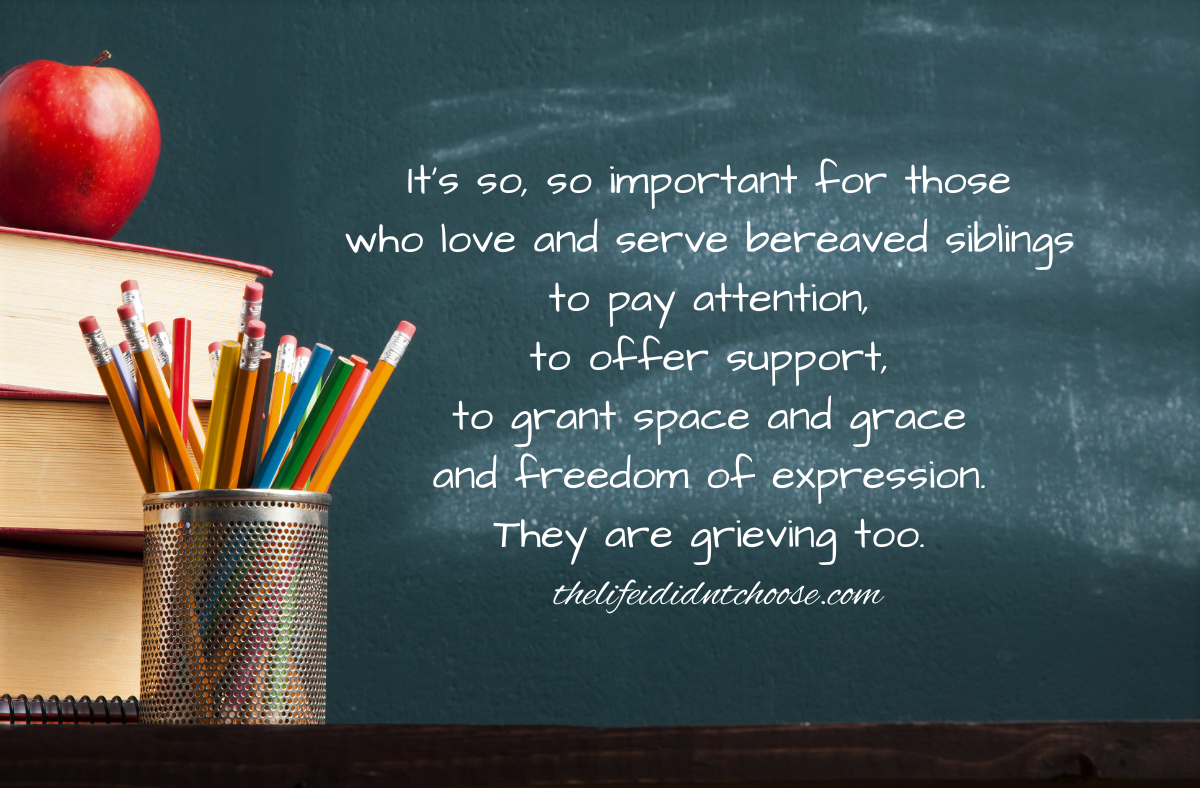
In addition to their own heartache, bereaved parents carry the heartache of their surviving children.
The family everyone once knew is now a family no one recognizes. Hurting hearts huddle together-or run and hide-and it is so, so hard to find a way to talk about that pain.
There is definitely a time and place for professional counseling. Many, many families benefit from having a trained individual, outside the immediate grief circle, guide them in exploring feelings, developing coping strategies and learning to live life this side of loss.
But there is also something to be said for arranging casual open-ended activities with surviving siblings, parents and even grandparents where space and a more relaxed atmosphere often leads to honest sharing.
This graphic has lots of excellent suggestions for how to craft such a space.
Not all will be suitable for every family, but every family should be able to find a few that fit.
I’ll add these guidelines that may help your family make the best choice for YOU:
Don’t force it. If you make an offer of an activity and it drops with a thud to the ground, let it go. You might be able to do it another time.
Don’t make it (what my kids like to say!) a “mandatory option”. There must be no guilt or coercion invading this space. If one or more of your family members consistently refuse to join in, consider asking a close family friend to take that individual out alone and see what might be going on.
If you choose a movie or other story-themed activity, LOOK UP THE PLOT! I can’t tell you how many times we were sideswiped by a death scene or some other heavy emotional plot twist. There may be a time when your family is prepared to experience those things together (we can now) but it may not be yet.
Mix and matchmore structured activities with open-ended ones like walks outside, watching the sunset, sitting on the beach, hanging at the pool, playing a game (not too competitive-that will sometimes bring out hidden anger).
If you have a family with a broad range of ages you might have to do some things with the littles and some with the older kids. You can always add one or two activities a month or quarter where everyone (or as many as are available) gets together.
If your children, spouse, parent or other close griever begins to talk-let them. If tears flow-that’s progress! If ugly feelings are expressed, listen. Try not to be defensive. Try to hear the hurt behind the words. It’s OK to set ground rules like using “I” statements and not blaming. But don’t shut them out or shut them down.
These are just ideas.
Google is your friend and your phone is probably already in your hand or pocket-use it.
There are so many competing causes it’s a wonder anyone can keep up with them.
But when one or more of them become near and dear to your heart, it’s easy.
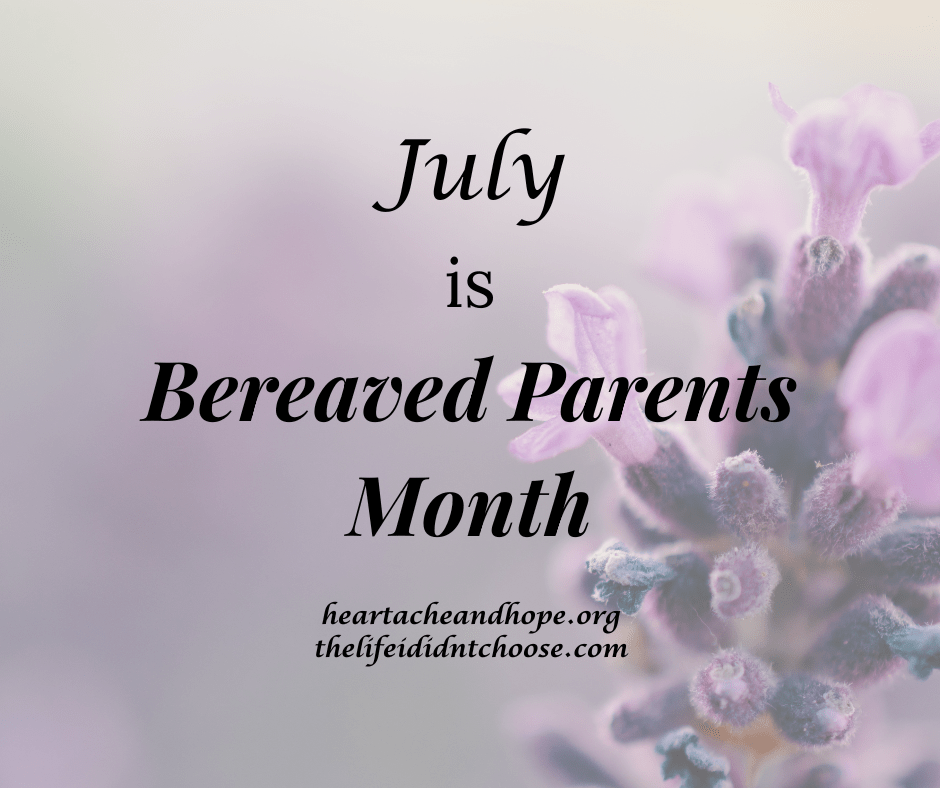
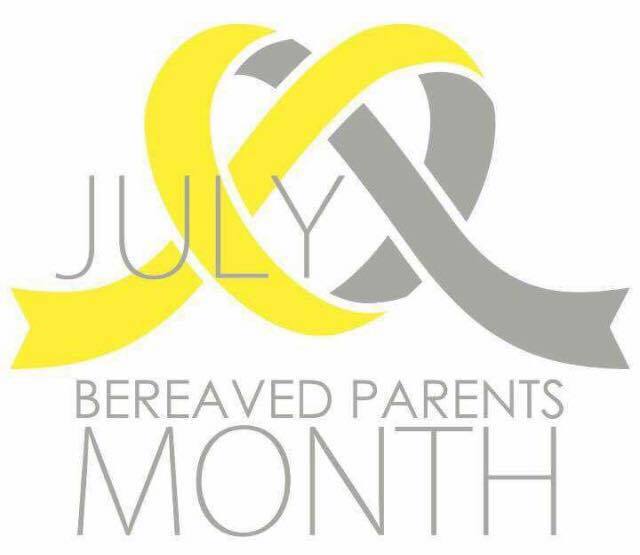
July is Bereaved Parents Month. A designation I knew nothing about until several years into my own journey as a bereaved parent.
And while I’m unsure about the necessity for declarations like National Trivia Day or National Bubble Wrap Appreciation Day I am absolutely convinced of the need for Bereaved Parents Month.
This is why:Child loss is unlike any other loss a person may experience. It is out-of-order death, unnatural, unexpected and unfathomable.
Every day, bereaved parents are walking in the world, going to work , doing all that life requires and often caring for their other children while carrying a very heavy burden that mostly goes unnoticed.
Many parents desperately want to speak about their missing child but feel constrained by fear others will think they are vying for sympathy or attention. Sometimes they don’t say anything because they’ve been shamed or shushed by negative comments on their social media posts. Still others are longing to find a community where their uniquely painful experience is understood.
Bereaved Parents Month is an opportunity for these parents to share their child with the world without fear or condemnation.
It’s a chance to post articles, information and personal experience that can help those outside the circle of child loss understand the ongoing struggle of walking this path.
Hopefully it is also a season where newly bereaved parents can find resources so their own hearts feel heard, understood and encouraged.
So if you ARE a bereaved parent, please take advantage of this month set aside to raise awareness of our journey.
If youLOVEa bereaved parent, please acknowledge and affirm your friend or family member who may choose to share in person or online a little more freely this month.
Hearts hold on best when they are free to tell their story.
Bereaved Parents Month is set aside for us to tell ours.
No matter how a child leaves this earth, it’s traumatic.
And trauma rewires our brains.
The “fight or flight” response that had previously been reserved for truly life-threatening situations gets woven in with memories and feelings and our bodies remain on high alert.
So before we know it, all kinds of ordinary, daily, and definitely not life-threatening situations evoke rapid heartbeat, shortness of breath, anxiety and fear. And the absolutely reasonable response is to get away from those things that make us feel that way.
So we do (or try to!).
We find ourselves running away from people who love us, who want to help us but who just might not understand why we’re running. We cocoon in our homes, in our own bodies and try to find that one safe space where fear and anxiety can’t find us.
But there is no such absolutely safe space.
Trauma rewires our brains, it’s true.
They can be rewired again.
So many good therapies are available for those of us who suffer in silence. Many are based on using physical cues to help a brain learn to distinguish between truly dangerous and only the memory of dangerous.
It is possible to venture out in the world again, to reach for and sustain connection, to lean into company instead of shying away.
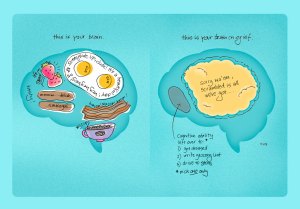
Forgetting things and people’s names, misplacing important documents, sometimes even getting lost in familiar surroundings while driving-all common experiences following loss.
It feels like you’re losing your mind but for most of us, it gets better over time.
I’ve developed lots of habits and tricks that help me navigate my still-less-than-perfect memory and much slower processing ability since Dominic ran ahead to Heaven.
I’m looking right at her.
I know her. In fact, I’ve known her for years. But please don’t ask me her name.
I have no idea.
It happens to all of us-meet someone in the store or at the Post Office and you just know you know them, but cannot-for the life of you-remember a name.
Chatting on, you search mental files desperately trying to make a connection you can hold onto. Five minutes after she walks away it pops up-oh, yes! That’s so-and-so from such-and-such.
Imagine if instead of searching mental files without success you can’t even find the file cabinet and start to wonder if one ever existed.
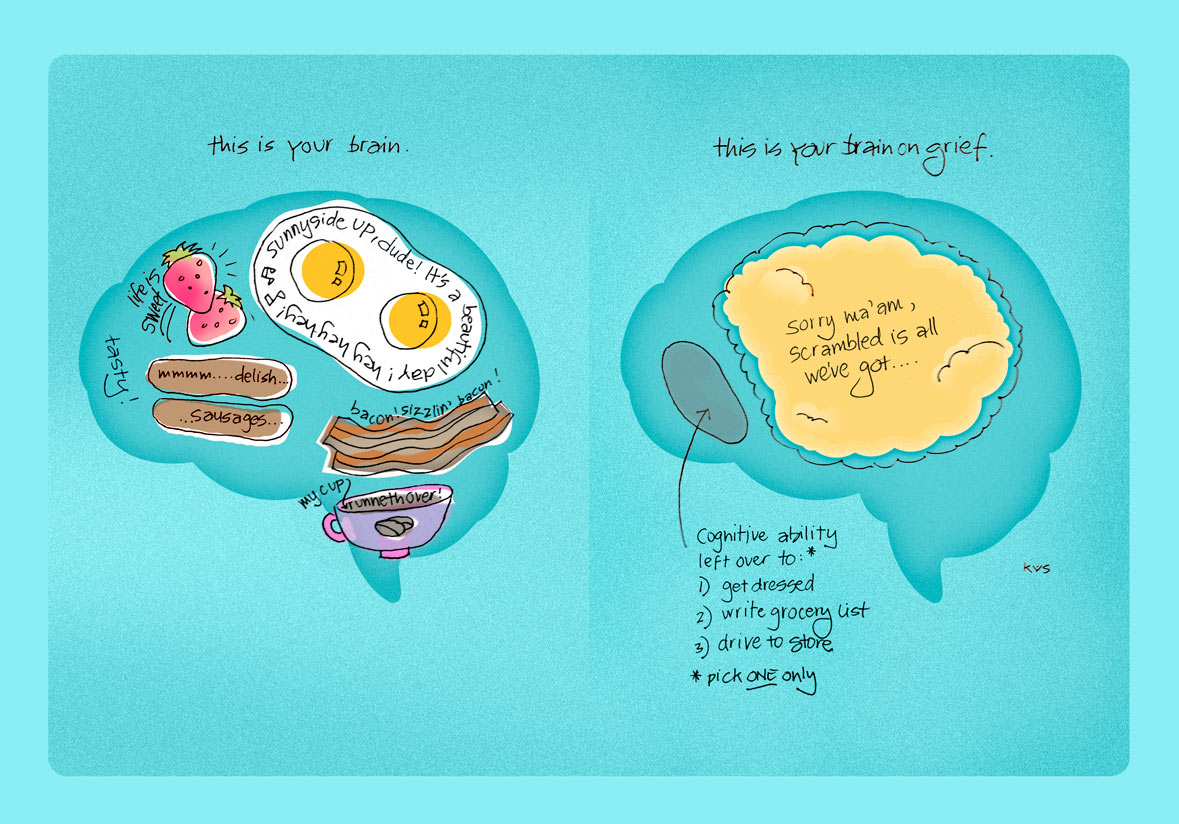
That’s what “grief brain” does to you.
Here are a few more examples of things that actually happened:
Someone would say something to me and I hear them as if it’s another language-I have absolutely NO IDEA what they just said.
I had to write a list each morning of the most basic things to do (like eat) so that I didn’t forget to do them. I had to tape the list to the kitchen cabinet because otherwise I lost it.
I could no longer walk away from the stove when it’s turned on-I burned more than one pot of peas.
There are times I couldn’t remember my phone number or street address when asked.
I answered the phone, heard a familiar voice only to be confused about exactly who was on the other end of the line.
I became momentarily “lost” on familiar streets or in familiar stores.
Sometimes I literally couldn’t remember what day it was.
I forgot appointments, meetings and what time church starts on Wednesday night.
I began to wonder if I was losing my mind.
And, in a way, I was.
At least the mind I had BEFORE my son was killed.
The initial shock was only a beginning. Ongoing stress and related hormones as well as increased blood pressure, poor sleep, anxiety, profound sadness and being forced to acknowledge my own lack of control bombarded my mind for months. Pathways I’d relied on for most of my life were changed or destroyed.
If you think of the brain as an interconnected web of associations, functions and activity, it’s easy to see that rerouting or destroying some of the connections makes it harder to access information and do tasks.
“[W]hen brain imaging studies are done on people who are grieving, increased activity is seen along a broad network of neurons. These link areas associated not only with mood but also with memory, perception, conceptualization, and even the regulation of the heart, the digestive system, and other organs.” Prevention Magazine
It’s no wonder that I found it difficult to think and do the most routine tasks after child loss!
My mind was fundamentally altered.
It’s not as bad now as it was in the beginning.
But I still struggle to remember things that used to come easily. I still hear words that I don’t always understand. I depend much more on paper and pencil to keep track of important dates, appointments and phone numbers than I used to. And I never walk away from the stove.
If I make a lunch date with a friend, I ask that she message me the day before to remind me. If I don’t comprehend what someone is saying, I request that they repeat it. I keep a paper copy of important information in my purse and an electronic copy on my phone.
It’s frustrating sometimes, but it is not a moral failure that my brain isn’t as sharp as it once was.
What was embarrassing at first is now something I openly acknowledge.
While I certainly had no real idea in the first hours or even weeks what losing a child entailed, I understood plainly that it meant I would not have Dominic to see, hold or talk to.
I wouldn’t be able to hug his neck or telephone him.
He wouldn’t be sitting at my table any more.
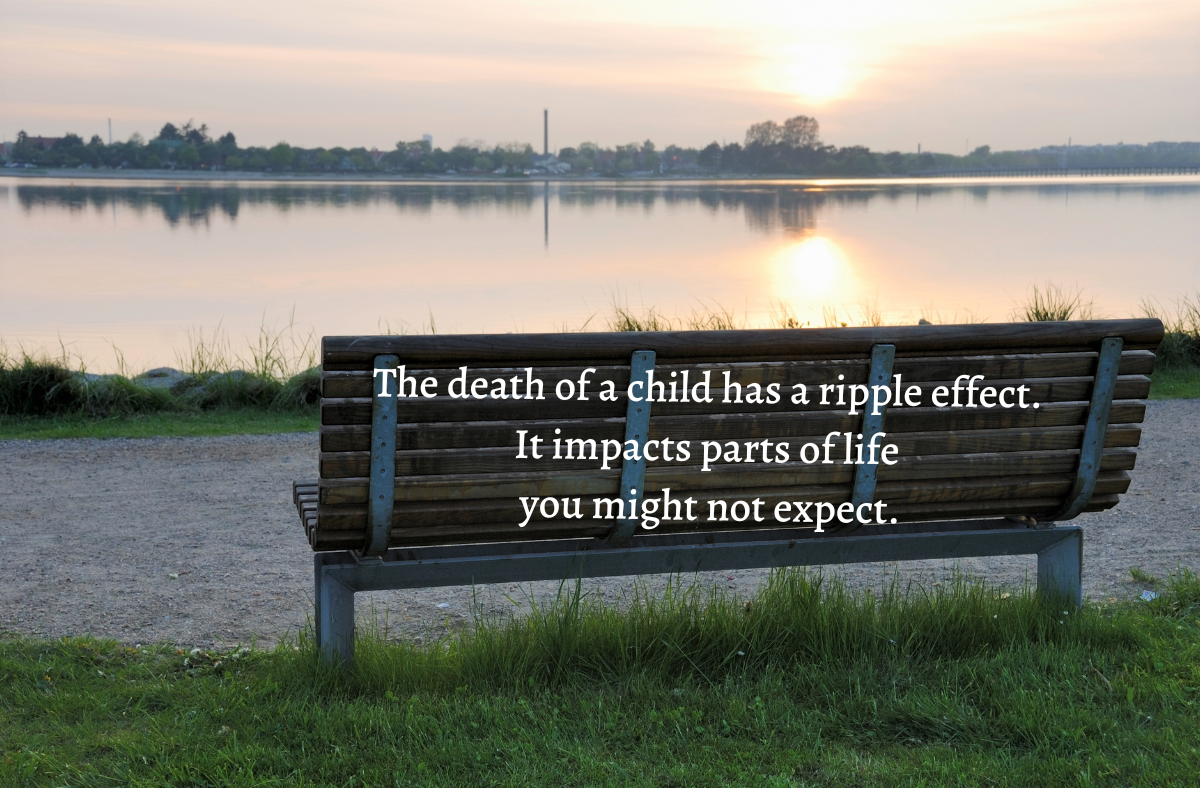
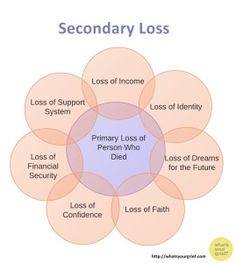
But the death of a child or other loved one has a ripple effect. It impacts parts of life you might not expect. As time went on, I was introduced to a whole list of losses commonly called “secondary losses”.
Here are just a few:
Loss of a large chunk of “self”. Dominic possessed part of my heart and part of my life. It was violently ripped away when he died. There is part of me that was uniquely reflected from him-like a specialty mirror. I can never access that part of me again.
Loss of identity. Before Dominic died I was one kind of mother. I was a mother of four living children who were making their way in the world as successful adults. I was a mother looking forward with happy anticipation to the next years. Now I am still a mother of four children but one whose heart has been changed by tragedy and sorrow. Tomorrow is still bright, but there’s a shadow just behind it.
Loss of self-confidence. I used to enter a room without a thought to how I’d be received or perceived. That’s definitely not the case now. I’m self-conscious-constantly wondering if I’m saying or doing the right thing. I never know if a grief trigger will (at best) pull my attention away from conversation or (at worst) send me scurrying for the bathroom.
Loss of sense of security. I think every parent has moments of fear over his or her child. When they first go off someplace without us, when they get a driver’s license, travel abroad, go to college. But all the awful things I imagined didn’t hold a candle to the reality of waking one morning to a knock on my door and the news that Dominic had been killed. The bottom fell out of my (relatively) safe world. Bad things, random things can and do happen. Once it happened to ME, it changed how I processed everything. The passing years have softened some of the anxiety but I will never be able to assume safety again.
Loss of faith. I did not “lose” my faith. I never once doubted that God was still working, was still loving and was still in control. But I most certainly had to drag out every single thing I thought I knew about how I thought He worked, loved and superintended the world and examine it in light of my experience of burying my son. It took a long time to work through all the pat answers I had been offered and myself doled out to others for years that didn’t fit with my new reality. I am learning that doubt is not denial and that I have to live with unanswered questions.
Loss of family structure. I’ve written before that a family is more than the arithmetic total of the number of members. There were six of us. But we were so much more than six when we were all together! Our talents, personalities and energy were amplified in community. When Dominic’s large presence was suddenly whisked away, every relationship got skewed. We’ve fought our way back to a semblance of “whole” but still miss him terribly. We can function, but we will never be the same.
Loss of my past. Memories are funny things. They are plastic and subject to change. And my recall of an event is limited to my own perspective. For a memory to be rich and full, I need input from others who were there as well. One vessel of family memories is no longer available to add his unique contribution. Every time I pull out a photo or dig down deep in my heart to draw up a treasured moment, I realize I’ve lost something I can not recover. The joke, the glance, the odd detail are all gone.
Loss of the future I anticipated. I’m a planner by nature. Not a detailed, OCD, got-everything-in-order kind of planner, but a “big picture” kind of planner. When Dominic left us in 2014, things were going (pretty much) according to plan. Each child was well on his or her way to the career path they had chosen. I was easing into an empty nest and exploring options for life after homeschooling. My husband was entering his last few years of a lengthy career. It’s hard to explain to anyone who hasn’t experienced it, but when your world is shaken by child loss, everything gets scrambled. You can’t just pick up where you left off and keep going with the pieces that remain.
There’s a prolonged period of confusion and everyone is impacted differently and in ways you could never imagine. All of us have changed dramatically in the years since Dominic left us. He is not the only thing missing from the rest of our lives. Holidays are altered. Birthdays are different. We have to plan special events around uncomfortable milestone dates that roll around every year whether we want them to or not. It’s a constant readjustment to life as it IS instead of life as I thought it WOULD be.
Loss of ability to focus and function. Oh, how this surprised me! I was in some kind of zone for the first month after Dominic left. My other children were home, we had to make it through planning his funeral, two graduations and cleaning out his apartment. I also had to handle paperwork for my husband to take short-term disability due to grief. I cried a lot, wrote down dozens of notes but managed to do what I had to do. Then I crashed. I couldn’t remember a thing. I couldn’t read more than a couple sentences at a time. I hated the telephone. I could barely stand to hear the television. I had to make a list of the most basic things like brushing my teeth, feeding my animals, turning off all the lights before bed. It was awful! And it didn’t really get better for well over a year.
I still suffer from a very short attention span, low tolerance for noise and an inability to accommodate last minute changes. I don’t schedule anything back to back. I live in a rural area and sometimes shop in the nearby town. I will start the day with a long list and shorten it repeatedly as I go along because driving in traffic, crowds and random sounds ramp up my anxiety and make me want to go home with or without what I came for. I have changed the way I do so many things. My pre-loss memory has never returned.
Loss of patience. I am at once impatient and long-suffering. I have zero patience for petty grievances, whining and complaining. Yet I have compassion for other people living hard and unhappy stories. I berate myself for not being “better” and, at the same time, extend grace to others who aren’t “better” either. I want to shake people who bowl over weak, hurting, desperate souls. I don’t have time for moaning about rain when you were planning a picnic but will listen for hours to a mama tell me about her missing child.
Loss of health. I had a number of chronic health conditions before Dominic ran ahead. Within the first year of his departure, I was hospitalized twice. My experience is not unique. Some parents suffer immediate health effects (heart attack, blood sugar spikes, anxiety/depression) and some see a slow decline over time. In part because child loss, like any stressor, will negatively impact health and also because sometimes bereaved parents stop doing the things that help them stay healthy. At almost five years, I’ve learned how to manage the stress better although some of my health issues continue to get worse. It’s hard to tease apart what is age, what is disease and what is grief.
When your child leaves this life before you do, it changes everything.
Not only things you might expect, but many you’d never imagine.
It’s a constant balancing act, readjusting every day to new challenges.
When my daughter was learning to walk, I would hover near-ready to catch her if she fell.
I covered sharp corners or moved furniture so that the chance of injury was minimized. I clapped and cooed each time she made a little progress-pulling up, cruising around the edge of the sofa and coffee table-those tentative moments when she was brave enough to let go and then plop on her bottom.
And finally, when she made her first unassisted steps between the security of holding on and my waiting arms.
It was a judgement free zone.
I wasn’t looking for technical perfection or measuring progress according to any external metric.
I didn’t rush the process. I couldn’t do it for her. I could only support her own efforts toward the goal we both had in our hearts. I never despised her baby steps.
They were a beginning.
And everything has a beginning.
When Dominic ran ahead to heaven, I felt like I was physically, mentally, emotionally and spiritually knocked to the floor. I had no idea how I was going to make a life after this great blow. I could barely get dressed, much less do anything that took more thought or energy than that.
I was overwhelmed. I had to learn to walk all over again.
And I did it with baby steps, in a judgement free-zone I created for myself where I refused to gauge my progress against anyone else’s.
Because baby steps count.
Here are some of the baby steps I’ve taken and am still taking:
Got up, got dressed, bought groceries.
Cooked dinner.
Cleaned the bathrooms.
Went to church.
Remembered a birthday and sent a card.
Drove to an unfamiliar place to meet someone for lunch.
Exercised.
Made phone calls.
Went to work.
Volunteered.
Slept through a whole night.
Organized a party.
Showed up to graduations, a couple funerals and a wedding.
Kept doctor’s appointments.
Laughed.
I have yet to hit my stride and I don’t think running is in my near future, but I am moving forward. I’m making progress. I don’t have to meet a timetable or get anyone else’s approval.


















:max_bytes(150000):strip_icc():format(webp)/ptsd-treatment-2797659_FINAL-5c12be374cedfd00010f866a.png)