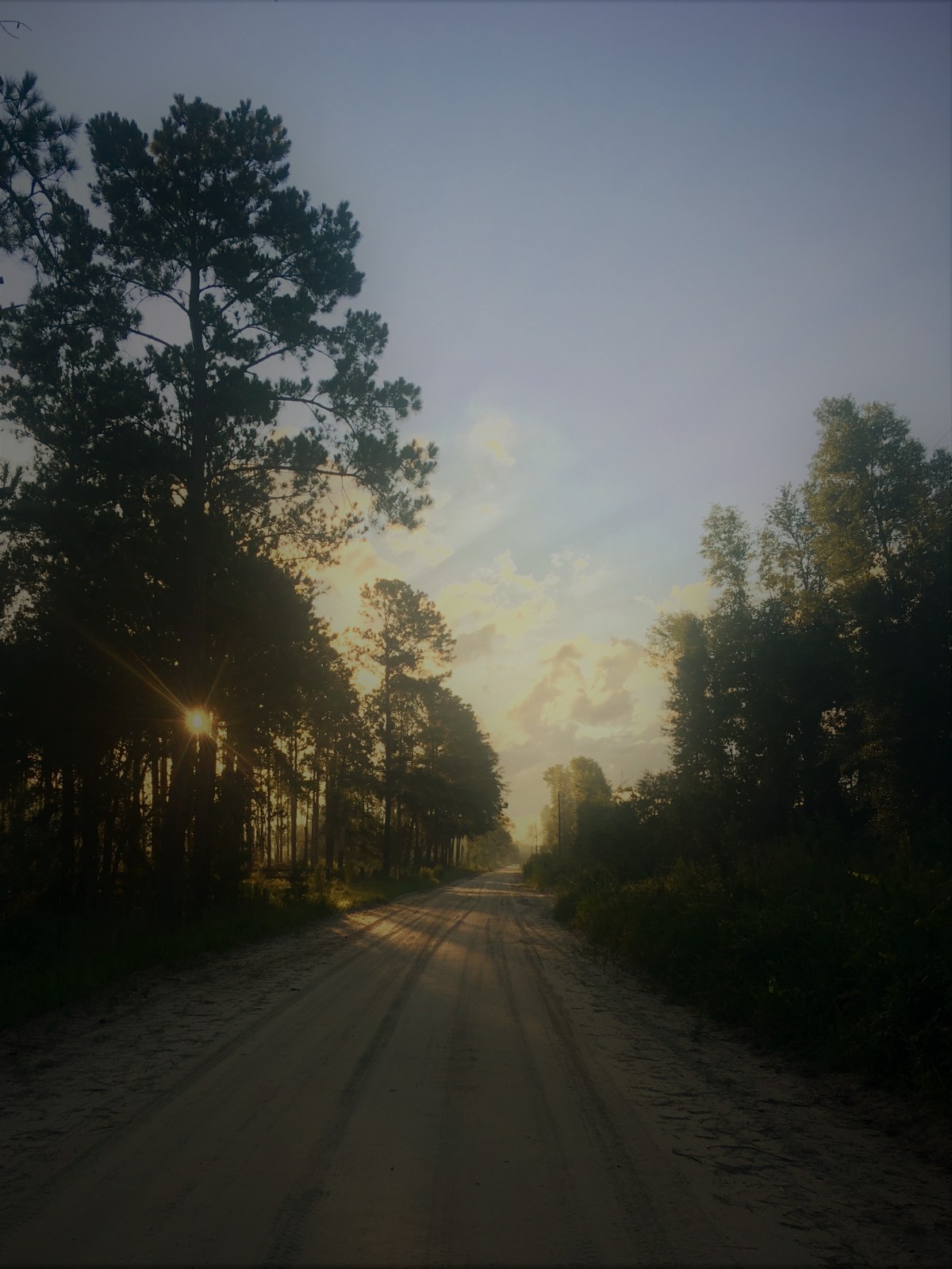
I have written many times of my habit of greeting each new day watching the sun come up through my east facing living room window.
It never gets old.
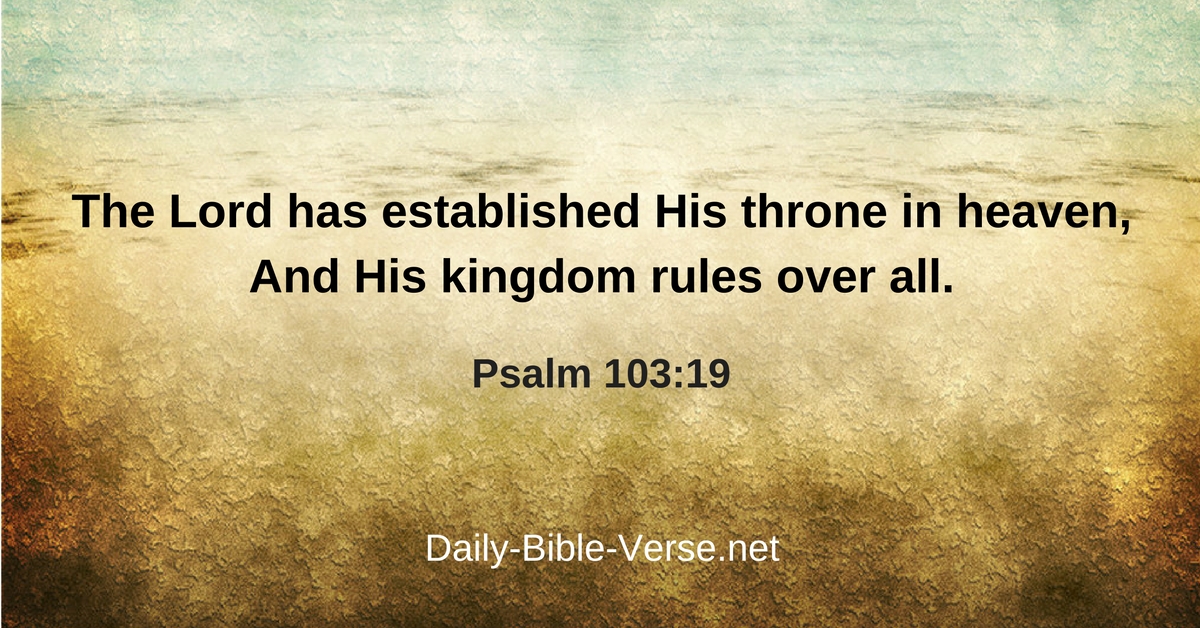
I cherish the reminder that despite how difficult things may be or how dark my heart might feel, God is still on His throne.
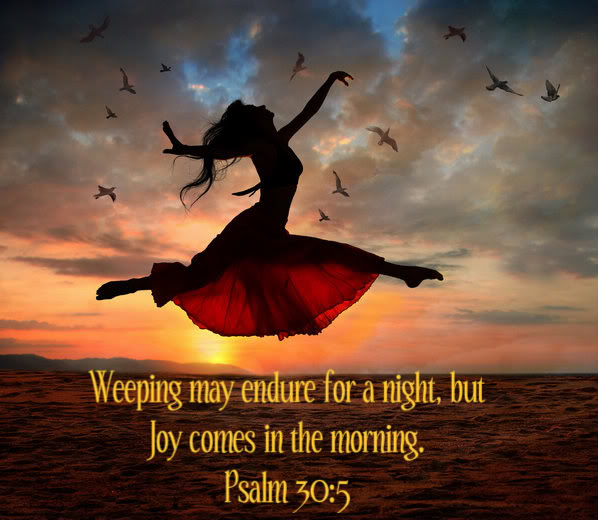
As the shadows fade and light pours through the window and illuminates the world outside, I remember that no night lasts forever and death doesn’t win.
It’s not always easy to choose life, Lord
Because then we have to struggle with who we are
and why we are, and who you are,
and what to do with who we are,
and why we are,and who you are.
We have to let you make us new, and being made anything always hurts.
Father,
Let the morning come in our hearts,
So morning can come in our lives,
And the world that needs a word of hope can hear
‘Death has lost, and life has won.”
Verdell Davis, Riches Stored in Secret Places
It IS painful to be made into anything.
And sometimes I resist.
But then the morning comes and once again I choose to yield my heart to the One who loves me best and is molding and making me more like Jesus.
The ones we speak and the ones we swallow down so they don’t escape our lips.
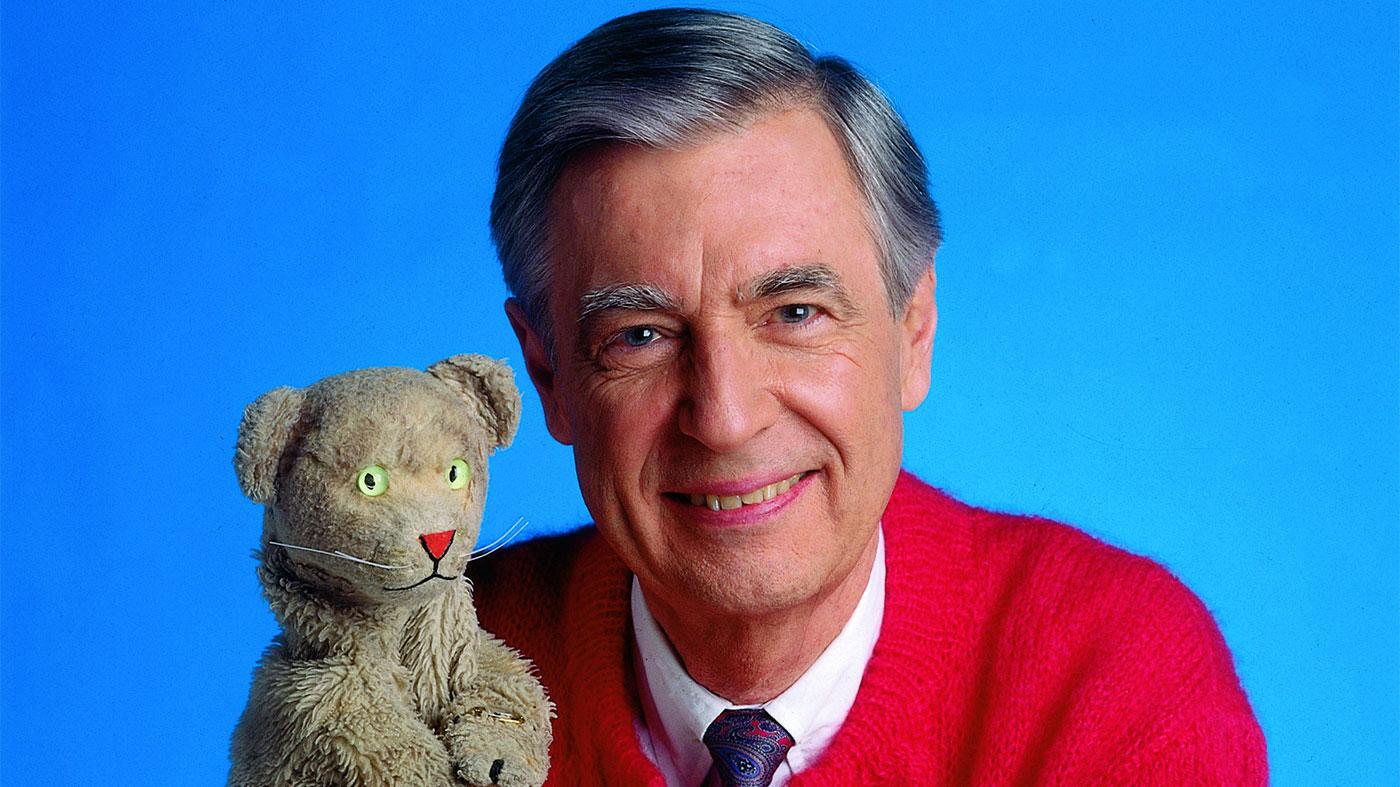
But, as Mr. Rogers says, “Anything human is mentionable.”
Even death.
We don’t like to talk about death. It’s unpleasant and frightening and often divisive. We all know it’s coming-no one (except Enoch and Elijah) have left this world any other way. Yet the polite thing to do is pretend it doesn’t exist or at the very least, isn’t likely to happen any time soon.
But that serves no good purpose.
It stops us from having meaningful conversations with those we love as they approach the end of their days. It keeps us from making amends while there is still time, saying the things that need to be said, wrapping up loose ends and frayed relationships.
It stops us from listening to the bereaved. If we get too close and pay too much attention to the aftermath of loss then we have to think about what it really means to live on without someone we love.
And it has shaped a society in which those who grieve too loudly or too long are shushed and shamed.
Refusing to talk about death doesn’t make it disappear.
It only makes it harder to deal with.
The rest of the Mr. Rogers quote is this:
…and anything mentionable is more manageable. When we can talk about our feelings, they become less overwhelming, less upsetting, and less scary. The people we trust with that important talk can help us know that we are not alone.
Fred Rogers
Learning the language of loss and lament is part of the healing process in grief.
We’ve never been very good in Western society talking about or dealing with death. So many hearts are hurting and have nowhere to go, no one to talk to, no safe refuge for their pain.
If someone trusts you with his or her feelings, receive it as a gift.
Make space for them to be honest about what they are experiencing.
It would surprise my mama most of all that on this day I’m at a loss for words.
I regularly embarrassed her with my non-stop commentary as a child. I told stories about what I heard and saw (and what my young mind THOUGHT it heard or saw) to anyone who would listen.
But I realize now there are moments too sacred, wounds too deep, experiences too precious for words.
Either you are there and share it-or you’re not-and can’t imagine.
This is one of those times.
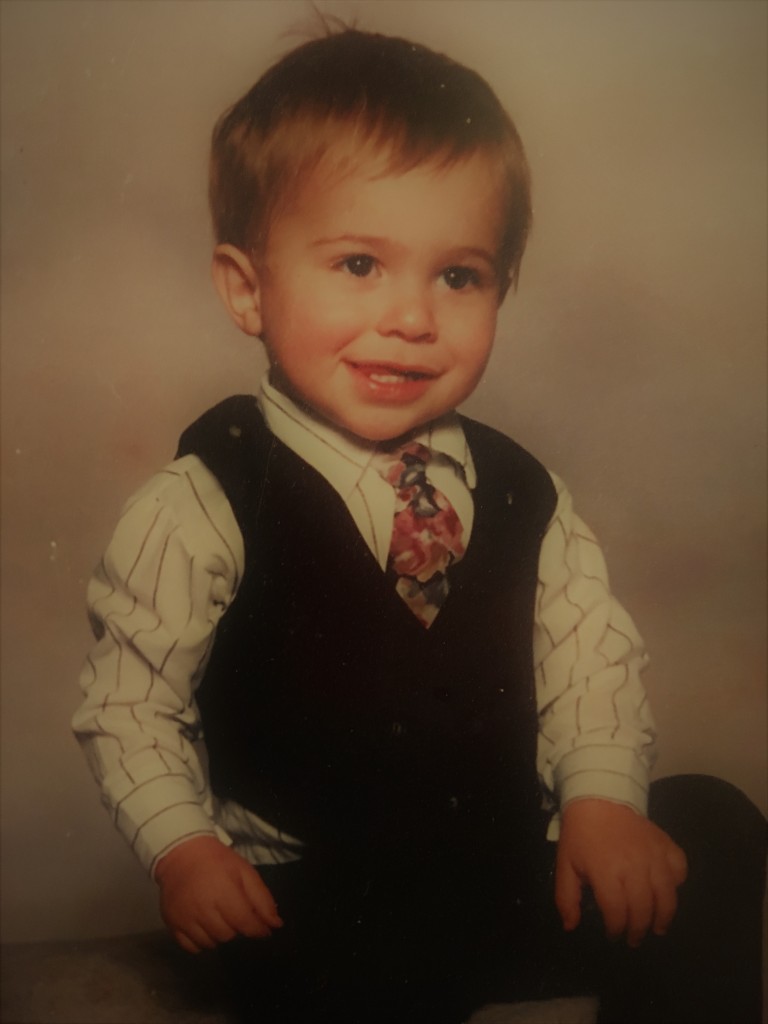
Dominic would be [thirty-three] years old today if he had lived.
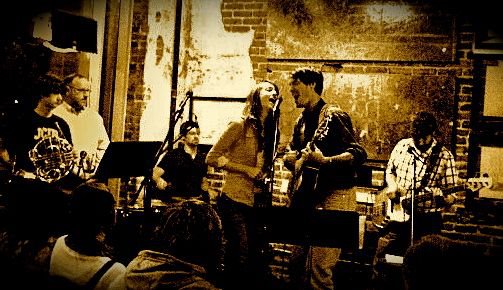
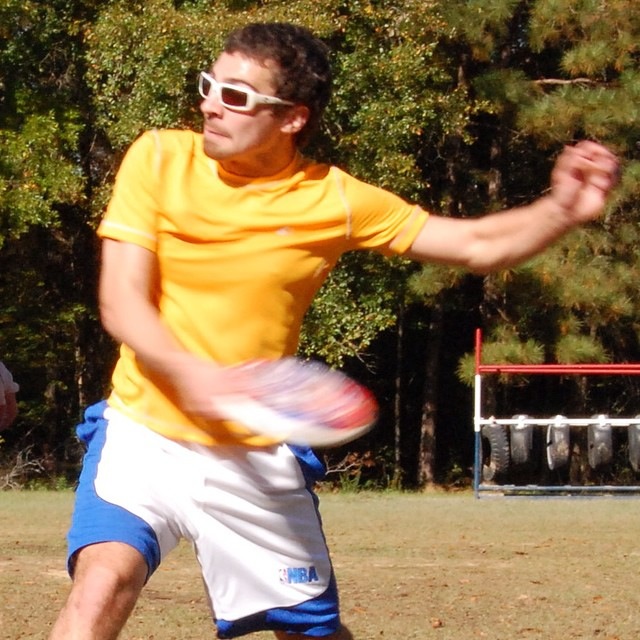
Living on a farm I’ve buried a lot of things in this Alabama dirt, I never thought my brother would be one of them. I miss you so much Hector Dominic DeSimone! ~Julian DeSimoneThe many sides of Dominic.
He’d be several years out of law school, on some path toward making his mark in the world, maybe (?) married, perhaps even a dad but definitely, positively here and part of our lives.
To be honest, I wouldn’t even care what his life looked like right now as long as it wasLIFE.
Something very few people know and even fewer would note is that on Dominic’s birth day, the doctor who delivered him had just the day before become a bereaved parent himself. His daughter left this world by her own hand.
Another C-section, Dominic was lifted up next to my face by this sweet and vulnerable man while the tears poured down my face. I was crying for HIM not for me. I was undone that he had shown up and delivered my child while his own laid lifeless wherever they had taken her.
I thought I understood then.
But I had no clue.
I understand now.
Sometimes you show up and do what you need to because it’s the only way for a heart to survive.Sometimes you walk on because standing still leaves too much time for the horror to take root and overwhelm you.
I miss Dominic.
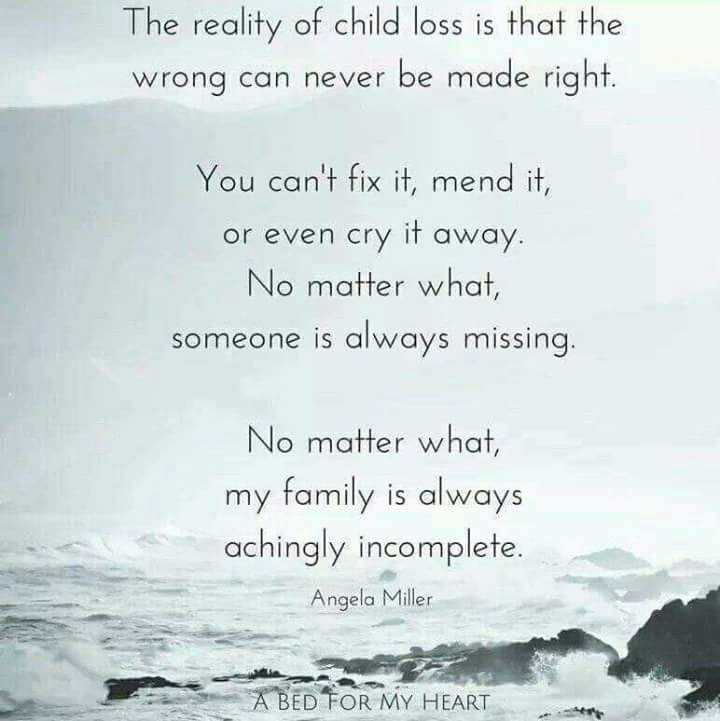
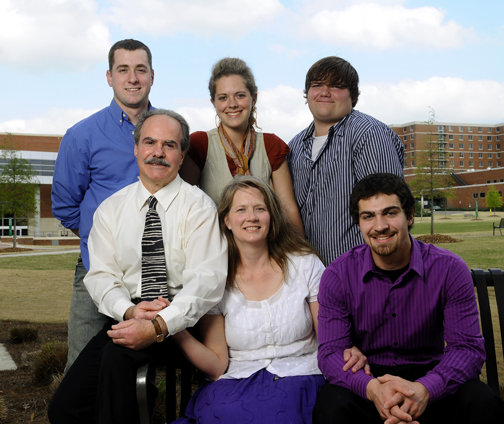
I miss the future we would have had togetherand the family we would have been if death hadn’t invaded our reality.
I would literally give anything other than the life of one I love for Dominic to be alive right now.
But it’s not an option.
So I’ll spend his birthday thinking about what we had, lamenting what we will never have, rejoicing that his faith is made sight and I’ll cry.
Because a mama’s arms are made for holding her child, not holding his memory.
I read A GRIEF OBSERVED in my 30’s as another in a long list of “Books You Should Read”. I gleaned a bit here or there that I thought might be of use later on.
But when Dominic ran ahead to heaven, it was the first book on grief I bought for myself and I read it like a starving man set down to a full table.
This passage, in particular, was helpful in understanding how my absolute trust in theFACTof ultimate redemption of my pain and sorrow did absolutely NOTHING to take away the pain and sorrow-it only made it bearable.
If a mother is mourning not for what she has lost but for what her dead child has lost, it is a comfort to believe that the child has not lost the end for which it was created. And it is a comfort to believe that she herself, in losing her chief or only natural happiness, has not lost a greater thing, that she may still hope to “glorify God and enjoy Him forever.” A comfort to the God-aimed, eternal spirit within her. But not to her motherhood. The specifically maternal happiness must be written off. Never, in any place or time, will she have her son on her knees, or bathe him, or tell him a story, or plan for his future, or see her grandchild.
We buried the earthly remains of my son six years ago today.
I still have no idea how I walked away from that deep pit where his body would be lowered never to see daylight again.
But I did.
Western society doesn’t like to acknowledge the horror of death. We don’t like to be too dramatic, cry too loudly, wail and weep throwing our bodies over a casket.
But maybe we should.
Why can’t we have a dramatic outburst at the edge of death that burns an unforgettable image in the hearts and minds of those who join us to say good-bye?
Of course the moment when the last breath leaves a body is noted and duly recorded because the law requires such. I can pull out Dominic’s death certificate (what an ugly thing to have to say about my child!) and it reads: Time of Death: 1:10 a.m. April 12, 2014.
But I didn’t know about it until 4: 15 that morning when the deputy rang the bell.
I used to look at tombstones in cemeteries and do the math between the dates.
I was most focused on how long this person or that person walked the earth.
I still do that sometimes. But now I do something else as well.
I look to the left and the right to see if the person who ran ahead left parents behind. My eye is drawn to the solitary stones with the same last name next to a double monument clearly honoring a married pair.
I think this unprecedented season of fear and uncertainty is awakening more hearts to the hard task of suspenseful waiting.
The world longs for a cure or a vaccine or something to guarantee safety against this virus making its rounds and threatening us and those we love.
In the meantime there’s not one thing we can do to make it happen.
Many of us are hiding away in our homes. Some are praying fervently for provision, for safety, for guidance, for hope while others are simply passing time until whatever happens, happens.
I imagine it’s very much like what the disciples felt when they realized no miracle would deliver Jesus from death and they might well be next.
Holy Saturday, 2020
It is tempting to forget that there were three long days and nights between the crucifixion and the resurrection because the way we observe this season rushes us past the pain to embrace the promise.
But it’s not hard for me to imagine how the disciples felt when they saw Jesus was dead. It was neither what they expected nor what they prayed for.