Before my mother’s illness and death, before the frighteningly early arrival of our little Captain and his brother, before an overseas deployment, a destructive hurricane, Covid19, my husband’s cancer diagnosis and too many other stressful events to list.
I have watched my kids meet every challenge-sometimes with grace, sometimes with grit, sometimes with both.
They are different people than they would have been if Dominic still walked beside us. They know things their peers can’t even guess.
We all lost so much when we lost Dom. But we still have each other.
And that’s a treasure.
I never thought it possible to love you more than I already did.
But I do.
Your brother’s untimely departure has opened my heart in a whole new way to the glory that is your presence. It has made me drink you in like water in the desert.
No more do I take even a moment for granted. Never again will I be “too busy” to listen to you, to hug you, to greet you on the porch when you decide to make your way back home.
I promised you when that deputy came to the door we would survive.
And we have.
I promised you that I would never raise Dominic onto a hallowed pedestal that obliterated his orneriness and only kept track of his laudable qualities.
I pray I have lived up to the promise.
We are changed-every one of us.
I am so very proud of you for continuing to live. It would have been easy to give up. It would have been easy to “live for the moment” and give in to hedonism.
You haven’t done that.
You have had to carry more weight than you should. I am so very anxious to see how you take this awful pain and weave it into your own stories-how this dark thread helps define who you become and how you choose to impact your world.
You have lent me your strength when mine was waning.
You have checked on me and loved meand borne patiently with me and with one anotherwhen it would have been easier to walk away and try to create a life outside this place of brokenness and vulnerability.
I am always cautious when ascribing feelings and words to our departed Dominic-it’s easy to make him say or feel whatever is most convenient since he’s not here to dispute it. But I am certain of this: while he would never, ever have wanted us to bear this awful burden, he would be so, so proud of the way we have supported one another in doing so.
Like always, our family has closed ranks and lifted together the weight that would have crushed us individually.
It’s who we are.
It’s who we have always been.
*I am absolutely convinced that Dominic is very much ALIVE today in the presence of Jesus. But for now, I’m denied his daily companionship,
So much of this battle has been fought in my mind.
Really, even more than in my heart.
Because you can’t argue with sad or shock or missing or disappointment.
But you can absolutely argue with hopelessness (there is nothing to live for), apathy (there is nothing to do) and distrust (there is no one who can help me).
So I spend a lot of time filling my mind with truth and doing the best I can to empty it of lies. Some days I’m more successful than others, but I battle on regardless.
When hopelessness tries to take up residence I say:
Remember the word to Your servant upon which you have caused me to hope.
~Psalm 119:49
AND
Do you see what this means—all these pioneers who blazed the way, all these veterans cheering us on? It means we’d better get on with it. Strip down, start running—and never quit! No extra spiritual fat, no parasitic sins. Keep your eyes on Jesus, who both began and finished this race we’re in. Study how he did it. Because he never lost sight of where he was headed—that exhilarating finish in and with God—he could put up with anything along the way: Cross, shame, whatever. And now he’s there, in the place of honor, right alongside God. When you find yourselves flagging in your faith, go over that story again, item by item, that long litany of hostility he plowed through. That will shoot adrenaline into your souls!
~Hebrews 12:1-3 MSG
Apathy sits heavy on my chest and makes me want to give up and give in. Why try if life is random and chaos is rampant?
I push it off with:
28 We are confident that God is able to orchestrate everything to work toward something good and beautiful when we love Him and accept His invitation to live according to His plan. 29-30 From the distant past, His eternal love reached into the future. You see, He knew those who would be His one day, and He chose them beforehand to be conformed to the image of His Son so that Jesus would be the firstborn of a new family of believers, all brothers and sisters. As for those He chose beforehand, He called them to a different destiny so that they would experience what it means to be made right with God and share in His glory.
~Romans 8:28-30 VOICE
I remember that I still have work to do:
“For we are His workmanship [His own master work, a work of art], created in Christ Jesus [reborn from above—spiritually transformed, renewed, ready to be used] for good works, which God prepared [for us] beforehand [taking paths which He set], so that we would walk in them [living the good life which He prearranged and made ready for us]. “
~Ephesians 2:10 AMP
The enemy of my soul whispers the same lie he told Eve in the garden,“God really doesn’t have your best interest at heart. He’s holding out on you. You can’t trust Him.”
I shout him down and declare:
The God Who sent His only Son to save me will not let me go. He will uphold me with His Righteous Right Hand. Even in the flood of grief, the fire of trial and the darkness of despair, He is with me.
I have verses and quotes and hymn choruses posted all over my house so that everywhere I turn, my eyes can land on encouragement.
I won’t win any awards with my decorating scheme, but I don’t care.
All of this will be dust one day.
I’m building an eternal future that won’t rot, rust or decay.
“3 Blessed is God, the Father of our Lord Jesus, the Anointed One! Because He has raised Jesus the Anointed from death, through His great mercy we have been reborn into a living hope— 4 reborn for an eternal inheritance, held in reserve in heaven, that will never fade or fail. 5 Through faith, God’s power is standing watch, protecting you for a salvation that you will see completely at the end of things.”
My family has opened our eyes to thousands of mornings knowing the one thing we would change if we could is outside our control.
When the world faced the pandemic these past years, it was a new and disturbing feeling for millions (billions?). We are still reaping the consequences of decisions taken during that time.
Eventually, though, most people’s lives have returned to a semblance of normal that makes allowances for the changes.
But some of us emerged on the other side of that season carrying the new and unrelenting burden of loss.
When my daughter was learning to walk, I would hover near-ready to catch her if she fell.
I covered sharp corners or moved furniture so that the chance of injury was minimized. I clapped and cooed each time she made a little progress-pulling up, cruising around the edge of the sofa and coffee table-those tentative moments when she was brave enough to let go and then plop on her bottom.
And finally, when she made her first unassisted steps between the security of holding on and my waiting arms.
It was a judgement free zone.
I wasn’t looking for technical perfection or measuring progress according to any external metric.
I didn’t rush the process. I couldn’t do it for her. I could only support her own efforts toward the goal we both had in our hearts. I never despised her baby steps.
They were a beginning.
And everything has a beginning.
When Dominic ran ahead to heaven, I felt like I was physically, mentally, emotionally and spiritually knocked to the floor. I had no idea how I was going to make a life after this great blow. I could barely get dressed, much less do anything that took more thought or energy than that.
I was overwhelmed. I had to learn to walk all over again.
And I did it with baby steps, in a judgement free-zone I created for myself where I refused to gauge my progress against anyone else’s.
Because baby steps count.
Here are some of the baby steps I’ve taken and am still taking:
Got up, got dressed, bought groceries.
Cooked dinner.
Cleaned the bathrooms.
Went to church.
Remembered a birthday and sent a card.
Drove to an unfamiliar place to meet someone for lunch.
Exercised.
Made phone calls.
Went to work.
Volunteered.
Slept through a whole night.
Organized a party.
Showed up to graduations, a couple funerals and a wedding.
Kept doctor’s appointments.
Laughed.
I have yet to hit my stride and I don’t think running is in my near future, but I am moving forward. I’m making progress. I don’t have to meet a timetable or get anyone else’s approval.
You plan to mark this day as a special milestone for the rest of your life.
You absolutely, positively NEVER think you will have to mark another one: the day he or she leaves this life and leaves you behind.
But some parents have to mark both. The dash in the middle is shorter than we anticipated, and our child’s life ends before ours.
So how do you do it? How in the world do you observe the polar opposite of a birthday?
Here are some ideas (shared with permission) that parents shared recently in an online discussion sparked by one mom’s very honest admission that she just didn’t have it in her to create another video montage from the same old photos to mark yet another year without the earthly companionship of her precious son:
Don’t do anything. That is an option. We do not have to draw a red circle around THAT day on the calendar, gather folks as if it’s a celebration. As one mama said, “Yes, the day they left us does not need to be ‘remembered’.” For some parents, going to work like it’s a regular day, engaging in whatever normal activities are required, ticking the hours off on the clock until night falls and the earth turns to the next day may be the very best choice. Another mama wrote this: “I have friends who celebrate a ‘heaven day’ for their son. I can’t. I just can’t. If it were up to me, I would probably go camp somewhere all alone, and not move a muscle for the entire day.”
Do something big (or small). Some parents choose this day to hold an annual “Celebration of Life”. It might take the form of a balloon release, or lantern release at home, at a park or other outdoor venue or at the cemetery. It might be lunch or dinner out at your child’s favorite restaurant or at home with your child’s favorite menu. Invite friends and family to join you and ask that they bring a photograph or memory and share. One mom said that such an event kind of happened organically and spontaneously when contacted by her son’s widow: “We went to one of [his] favorite restaurants. Told funny stories about him, talked about how missed he is, then went o his grave and put fresh flowers.”
Serve others. Did your child have a special interest in a particular charity or community organization? Maybe you can spend this day volunteering or raising awareness/money for that group. Often having something to do helps a heart from sinking into despair. If the group allows, maybe put up a sign saying, “Volunteering today in honor of __________” and attach appropriate photos of your child. Some parents whose child died from cancer or suicide or violence participate in walks or fundraisers that highlight those causes.
Encourage Random Acts of Kindness (RAK). I plan to do this one in April. It will be seven years (!) and I can barely stand it. But so many of the comments from Dominic’s friends after he left for Heaven went something like this one, “He was always doing something for someone else. Fixing their car or showing up when they needed an encouraging word.” He was known for his many acts of generosity and kindness and I feel like he lives on in the hearts of others because of that. I had cards printed ( I intentionally let his “dates” off) which I will distribute well in advance of April 12th for friends and family to leave behind when they do a RAK in memory of Dom. Vistaprint and other online publishing companies offer reasonable prices and will guide you through the process step-by-step.
Escape. Lots of us find being at home (alone or in the company of others) too hard to bear. Many received word of their child’s death at home and as the day creeps closer, the memories crowd every corner of mental and physical space and are inescapable. So sometimes parents plan a trip around this time. Go somewhere your child would have loved to go or go somewhere he or she enjoyed visiting. Take photos and post them in honor of your child if you want to.
Focus on family. You may not want to be alone, but the thought of being with anyone outside your closest grief circle is overwhelming. That’s OK. Spend time with the people who, like you, are most affected by your child’s absence. You don’t have to do anything special. You can make room for them to speak or not speak about their grief as they choose. Sometimes just having another warm body in the room is enough to ward of the chill of despondency.
Flip the script. For those of us who believe that this life is not all there is, the day can be one of celebration. Our children have escaped life full of sorrow and trouble and are safe forever in the arms of Jesus, where we will also be one day. Waiting is hard, but waiting is not forever.
Simply allow yourself to feel the full force of missing and grief.“As far as his death day, for me, that is a day when I allow myself to fully feel and express the pain of my loss. It is a way to (temporarily) empty myself of all this pain, so I can breathe again to face another day. I will sit in his sweatshirt, listen to reflective music, cry a lot, talk to him, pray to God, and just allow myself to feel all the pain and emotion that everyday responsibilities cause me to stuff away.” If you can manage it, taking the day off work and giving yourself grace and space to grieve in ways that are denied so often may be the very best way to experience the day.
Here’s a list of ways some parents honor their child on this day:
Giving away stuffed toys with a card or note explaining why.
Taking goodies to first responders and/or nurses who were served their family during an accident or illness.
Handing out Bibles or books in memory of their child.
Making memory baskets for parent whose child will be born straight into heaven.
Adding to a scholarship fund or other charitable fund in honor of their child.
Placing balloons, flowers or other special decorations on their child’s final resting place.
Lighting candles, releasing butterflies, balloons or lanterns.
Placing a memorial advertisement in a local paper.
Do or don’t do whatever helps you make it through those twenty-four hours that represent another year of sorrow, another year of missing.
There is NO wrong way to mark or not mark this day.
It’s up to you and your heart.
And absolutely does not require anyone else’s permission or approval.
As an introvert (who can, if pressed pretend not to be!) my energy is restored when I interact with one or two folks or no one at all. A dream afternoon is writing while listening to nothing louder than the wind chimes outside my door.
I treasure solitude.
Since Dominic ran ahead to Heaven, I find I need even more alone time than before.
That quiet place is where I do my most effective grief work, undisturbed by interruptions and distractions.
But I need to be careful that solitude doesn’t shift into isolation.
I have to remind my heart that spending time with others keeps me from falling so deeply down the well of despair that all I see is darkness.
I need human interaction to keep me connected to a world that, quite frankly, I might sometimes just as soon leave behind.
So how can I tell the difference between solitude and isolation?
Here are a few questions that help me figure that out:
Do I feel lonely, neglected or abandoned? If my alone time feels less like a gift and more like an unwelcome burden then it may be isolation rather than solitude.
Where are my thoughts taking me? Being alone is often the only way to “hear” my own thoughts without having to block out the noise and activity of other people. If I am sitting with myself, processing hard things or even beautiful things, resolving internal conflict, conjuring new ways to deal with difficult relationships or situations then solitude is doing its work. If, instead, I find my mind tangled up in fearful knots, filled with negative self-talk or unable to break a downward spiral into despair then I probably need to find someone to talk to.
Am I getting stronger or being drained? After the holidays or other hectic seasons I need time alone to recharge my batteries. Often it is almost a day-for-day exchange. I can feel tension melting away and strength returning. My mind begins to clear and life doesn’t feel so overwhelming. Solitude grants space for my body, mind and soul to be refreshed. When it slides into isolation I can feel the shift. Instead of waking refreshed and eager to greet a free day, I wake to dreading another long one alone. Instead of energy rising in my spirit, I can feel it draining away. Instead of thinking kindly of friends and family who choose to leave me be, I’m resentful no one has checked up on me.
Is there a helpful rhythm to my days alone or am I counting the hours until sundown? When I’m enjoying solitude, the hours feel like a welcome opportunity to do things (or not do things!) at my own pace and according to my own preferences. I sit with pen in hand and jot down a list knowing that if I complete it or if I don’t the only person I have to answer to is myself. No pressing appointments and no worrisome commitments. When I’m isolating, the hours feel like a long march through deep mud-every step tedious, treacherous and exhausting. I’m alone but I’m not getting any benefit from it. If I’m enduring instead of enjoying then I’m isolating.
Do I have an endpoint in mind? When I look ahead at a week on my calendar, I try to balance alone time with social commitments. A day or two alone (or with limited human interaction) is solitude. A week holed up in the house is isolation. If I find myself pushing off needed outings (to the grocery store, to run errands) then I ask myself, “why?”. Often it’s because I’ve drifted from solitude (helpful alone time) to isolation (unhelpful hiding).
I can shift myself out of isolation by choosing just one small social interaction.
I might text or message a friend, go to the grocery store and make a point of speaking to the clerk, call someone or show up at a church or community event even if I sit in the back and slip out early.
I’m never going to be that person who is up for every outing. That’s just not how I’m made and child loss has intensified my need for solitude.
But I don’t want to be alone and lonely, sinking deeper and deeper into a pit of my own making.
For some of us life’s twists and turns include unfathomable pain, sorrow and loss. Broken hearts beating side by side in the dark often find it difficult to reach out across a chasm of grief.
Marriage is hard work under the best of circumstances. Child loss makes it harder.
But there are ways to create space for one another and to extend grace even in this Valley.
❤ Melanie
It’s no secret that men and women are different.
It’s the subject of everything from romantic comedies tohundreds of books.
“Men are from Mars, women are from Venus” and all that.
So it shouldn’t surprise those of us walking this Valley that our spouse may be grieving very differently than we do. But it often does. Because everything is amplified when it echoes off the high mountains on either side.
And just when we need it most-for ourselves and for extending to others-grace is often in short supply.
So differences become offenses and offenses stack like bricks to build a wall between us and the one person as intimately connected to our missing child as we are.
Instead of holding each other up, we sometimes tear each other down. Instead of leaning in, we pull away. Instead of talking, we tune out.
Instead of crying together, we cry alone.
Even when we open up and try to address these differences it often ends in disagreement or is met with silence.
That’s discouraging.
I firmly believe that grief doesn’t really change the fundamentals in a relationship but it magnifies them. We all have cracks in our marriages. Two imperfect people do not make a perfect couple regardless of how lovely the photos might be.
Child loss makes the cracks more evident. What might be ignored otherwise, becomes unavoidable. Add gender differences to the load of grief and it’s no wonder many of us struggle.
So how can a marriage survive?
Here are a few pointers:
Admit that you and your spouse are different people. Your life experiences, gender and personality affect how each of you grieve. Different isn’t better or worse, it’s just different.
Purpose to assume the best and not the worst of your spouse. When he or she makes a comment or shoots you a “look” don’t immediately ascribe dark motives. It may be she’s having an especially bad day or he is tired or distracted.
Look for common ground. When you are both in a neutral environment and rested, ask your spouse what they need from you. Then listen without being defensive. It could be that seeing you cry upsets him so that’s why he tries to shut you down. She might long to hear him say their child’s name aloud. Even if nothing changes, sometimes being heard makes a difference.
Consider couples’ counseling. Having someone outside your immediate grief circle listen to and guide you through feelings, concerns and problems is almost always helpful. It might only take a few sessions to give you both the tools necessary to walk yourselves through the rough patches.
Talk TO your spouse instead of ABOUT him or her. This can be a hard one! I think we all need a safe friend or two who will let us vent. That’s healthy. But it’s not healthy to talk about our spouse to others in what amounts to a bid for support of our own opinions and prejudices. Gathering wood for the fire of offense is easy. Putting out the blaze (even if you want to) is hard.
Remember that when feelings fluctuate, commitment carries you through. Grief isn’t just one emotion, it’s a tangled ball of emotions. On a given day you might feel sad, disoriented, angry, anxious and despondent. All that emotional weight is added to whatever else you may be feeling about your spouse. Sometimes it’s just too much to bear and running away seems like the most logical answer. But it’s not. We can never run far enough or fast enough to get away.
There’s no magic to marriage before or after child loss.
It’s mostly work.
We can choose to do that work together in spite of our differences.
We can choose to grow stronger instead of growing apart.
Still standing.
****FULL DISCLOSURE****
My husband and I do not do this perfectly or even close to perfectly. But we are still trying. At different points in this long eleven plus year journey we’ve been better or worse at all of it. So don’t think if you are struggling it means you can’t hang on. Sometimes it’s by the tips of your fingernails, but if you refuse to let go, you can make it.
As a people-pleasing first born who hates conflict, giving in has always been easy for me. It’s only later that I wish I hadn’t.
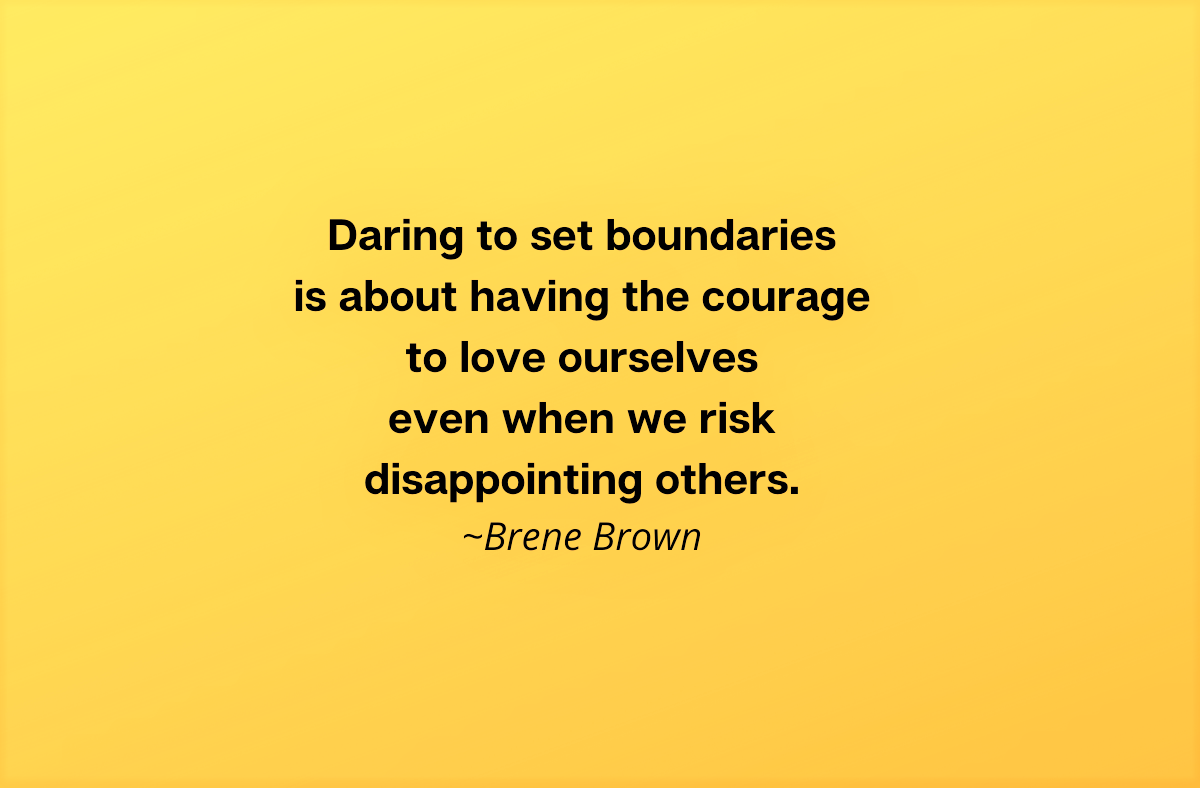
So for most of my life, setting personal boundaries has been challenging.
But in the aftermath of child loss, healthy boundaries are no longer optional, they are necessary for survival.
So what are healthy boundaries?
Saying “no” without guilt
Asking for what you want or need
Taking care of yourself
Saying “yes” because you want to, not out of obligation or to please others
Behaving according to your own valuesand beliefs
Feeling safe to express difficult emotions and to have disagreements
Feeling supported to pursue your own goals
Being treated as an equal
Taking responsibilty for your own emotions
Not feeling responsible for someone else’s emotions
Being in tune with your own feelings
Knowing who you are, what you believe, what you like
~sharonmartincounseling.com
What does this look like in real life?
Not being “guilted” into engaging in social/family/church activities before I am ready
Letting family and friends know when I need encouragement, companionship, solitude, help or space
Keeping or making doctor’s appointments and staying on top of my physical well-being by sleeping/eating/taking medication/exercising as best I can
Participating in what is helpful and life-giving to me when I want to and not because I feel like I have to.
Giving myself space and time to figure out how losing a child impacts my beliefs, my sense of self, my understanding of the world-being honest about questions and about struggles. If I have to take a break from church for awhile, that’s OK.
Expecting support from friends and family to do the work grief requires. If some in my circle can’t do this, then I’ll put those relationships on hold until I feel stronger. I amnot required to live up to other people’s standards.
Embracing and acknowledging my own emotions. Not expecting someone else to “make me better”. No one can take away the sorrow and pain of child loss. It is excruciating. There is no way through but THROUGH. Face the feelings. Get help from a counselor if necessary. Join a support group. Find safe friends. But I will not be able to distract myself or ignore the heartache forever.
Understand that though I share the loss with others-a spouse, my surviving children, my child’s grandparents, etc-I am not responsible for how they are dealing with loss. I may offer help, may arrange counseling (especially for children), should strive toward an environment where feelings can be expressed-but I can’t work through their loss experience for them.
Pay attention to my own feelings and what triggers grief attacks. When I can, plan around the triggers. When I can’t, accept the feelings and go with them. If I need to leave a venue, leave.
What it doesn’t look like:
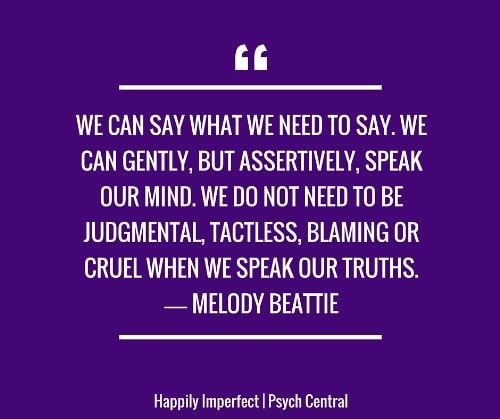
Healthy personal boundaries are not an excuse for bad behavior. They are not to be used as blunt instruments to bully others into submission or to advance my own agenda against theirs.
My boundaries don’t give me the right to be hateful, hurtful or unkind. They are not permission to pitch fits, make public displays or belittle others.
And they are absolutely NOT a reason to plaster hate speech across social media. If I have a personal relationship issue then it needs to be handled personally and privately not publicly. Vague Facebook statuses that suggest I’ve been offended by half my friend list are off limits.
Establishing healthy personal boundaries is work.
Already exhausted from grief, the last thing I want is more work.
But if I don’t defend the space and time I need to do the work grief requires I cannot make progress toward healing.
If I don’t limit my interaction with those who are unhelpful or downright hurtful, I will be dragged down further in the mire of sorrow and sadness.
If I don’t purposely pursue physical, emotional and psychological health, grief will kill me.
In addition to their own heartache, bereaved parents carry the heartache of their surviving children.
The family everyone once knew is now a family no one recognizes. Hurting hearts huddle together-or run and hide-and it is so, so hard to find a way to talk about that pain.
There is definitely a time and place for professional counseling. Many, many families benefit from having a trained individual, outside the immediate grief circle, guide them in exploring feelings, developing coping strategies and learning to live life this side of loss.
But there is also something to be said for arranging casual open-ended activities with surviving siblings, parents and even grandparents where space and a more relaxed atmosphere often leads to honest sharing.
This graphic has lots of excellent suggestions for how to craft such a space.
Not all will be suitable for every family, but every family should be able to find a few that fit.
I’ll add these guidelines that may help your family make the best choice for YOU:
Don’t force it. If you make an offer of an activity and it drops with a thud to the ground, let it go. You might be able to do it another time.
Don’t make it (what my kids like to say!) a “mandatory option”. There must be no guilt or coercion invading this space. If one or more of your family members consistently refuse to join in, consider asking a close family friend to take that individual out alone and see what might be going on.
If you choose a movie or other story-themed activity, LOOK UP THE PLOT! I can’t tell you how many times we were sideswiped by a death scene or some other heavy emotional plot twist. There may be a time when your family is prepared to experience those things together (we can now) but it may not be yet.
Mix and matchmore structured activities with open-ended ones like walks outside, watching the sunset, sitting on the beach, hanging at the pool, playing a game (not too competitive-that will sometimes bring out hidden anger).
If you have a family with a broad range of ages you might have to do some things with the littles and some with the older kids. You can always add one or two activities a month or quarter where everyone (or as many as are available) gets together.
If your children, spouse, parent or other close griever begins to talk-let them. If tears flow-that’s progress! If ugly feelings are expressed, listen. Try not to be defensive. Try to hear the hurt behind the words. It’s OK to set ground rules like using “I” statements and not blaming. But don’t shut them out or shut them down.
These are just ideas.
Google is your friend and your phone is probably already in your hand or pocket-use it.
I no longer have to imagine the worst thing that could happen in the life of a mother-I know exactly how it feels.
And if I allow my heart to ponder that too often or too long, it consumes me.
So I am learning to take those anxious thoughts captive, learning to make them live in only a small corner of my mind instead of taking it over completely.
It takes effort and discipline, but it’s possible.
I don’t have to live the rest of my days a quivering mess– afraid of every sunrise, every phone call, every mile my family travels:
I confront my fear with facts: The absolute truth is that it is no more likely I will lose a child today than it was the day I lost Dominic. I’m not good at determining odds-if I toss a coin ten times and it lands on “heads”-I’m convinced that next time it HAS to be “tails”. But that’s just not true.EVERY time the coin is tossed, it has exactly a 50/50 chance of landing on “heads” or “tails” regardless of what happened last time. That’s not how it FEELS, but that’s how it IS.
I refuse to feed my fear: I don’t linger over news stories that play up danger or magnify the possibility of catching rare diseases. Do these things happen?ABSOLUTELY! But are they likely to happen to me or someone I love, probably not.I will not fuel the fireof fear that threatens to rage through my mind.
I take reasonable precautions: My family wears seatbelts. We take our vitamins and go to the doctor when we need to. We eat right and exercise. We don’t walk across streets without looking both ways. These were all things we did before Dominic’s accident and we continue to do them now.Not one of them would have made a diference that night but they help me feel better.
I limit my exposure to uncertainty: If I’m concerned about someone, I call or text. It’s that simple.I don’t have to live for hours wondering if they are OK. I’m careful not to infringe on my adult children’s lives by a never-ending series of contacts, but they understand my heart. We try to be mindful of letting each other know we arrive safely to our destination.
I exercise control in other areas of my life: Anxiety is a beast that grows stronger the more out of control I feel. I cannot keep my family absolutely safe-it’s not in my power to do so.BUT, I can control some aspects of life. So I do. Even cleaning out a messy junk drawer helps bolster my sense of control. Small, easy to complete projects feed the part of my brain that says, “You can do this!”
I limit caffeine and other stimulants: Increased heart rate, rapid breathing and sweaty palms are signs of anxiety. Caffeine can produce these effects even when I’m not anxious. If my body is feeling this way, my mind is quick to jump on board.
I practice distraction: There are times when I find myself feeling anxious despite my best efforts. When that happens, I am learning to distract myself. I find something to touch, smell, hear or taste that can help me regain composure. I count backwards from ten or twenty. I hum a song or recite a Bible verse. I add numbers in my head or do multiplication tables.
I live in the present: I have no idea what tomorrow holds. If I allow my heart to dwell on what might happen, I will be useless for today. So while I make marks on the calendar for appointments, I wake each morning determined to live right now.























 thelifeididntchoose