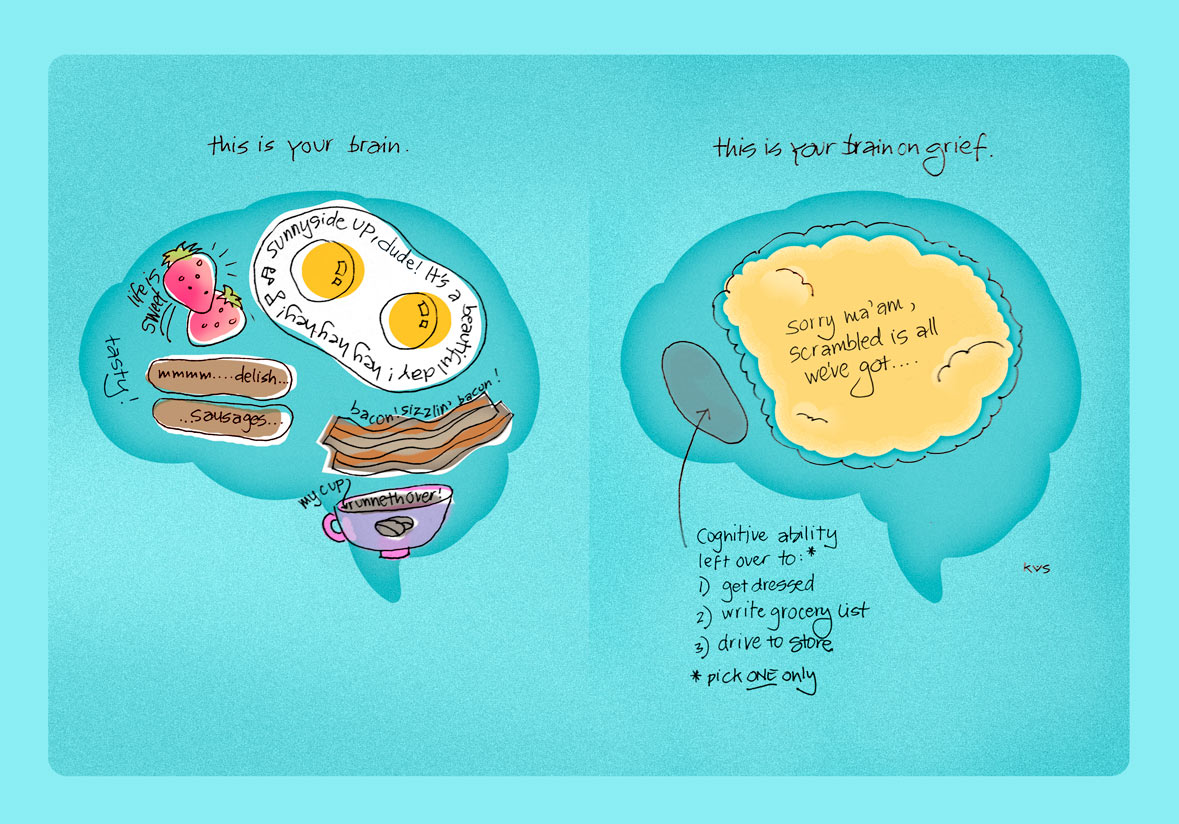
Grief Brain: It’s a Real Thing! PART TWO: Coping Strategies

So now that you know you aren’t going crazy, what to do?

Give yourself grace-understand that the old you is not the new you.

griefbrain

You will not be able to overcome these very real changes by sheer force of will. No matter how talented or together you used to be, it’s unlikely you can operate on that high plane right now. If you try, you will only exhaust the resources you have left.  

So slow down and make room for how grief has impacted your mind.

talk-to-yourself-as-someone-you-love-brene-brown

There are some basic self-care techniques that bear fruit in every area, not only mental acuity:

  • Eat balanced meals or snacks-It doesn’t matter if you WANT to eat.  Consider that you are fueling your body so that it can feed your mind.  Find a protein bar you like or eat easy-to-make salads or sandwiches.  When blood sugar levels are stable, your mind works better.
  • Get as much quality sleep/rest as possible-This is very hard, I know, when the setting sun brings memories and thoughts that make sleep almost impossible.  But research “sleep hygiene” and apply the techniques that might work for you.  Herbal supplements and teas can help as well as prescription medications.
  • Drink enough water-hydration is so very important and easy to ignore.
  • Limit alcohol and/or other stimulants/depressants -any of which can interfere with your ability to think and remember. (Do NOT stop medication unless you do so in concert with your doctor)
  • Exercise-There’s no need to run a 5K. Just a walk around the block or even around your house can get your blood pumping and providing more oxygen to your brain.
  • Get a physical exam to rule out hypothyrodism, diabetes, heart disease, or any other physical cause for your symptoms.  If prescribed treatment, follow the protocol.

brain-cogs-and-light-bulb

Develop work arounds:

  • I simply admit to people I’m meeting for the first time that I will not remember their name unless and until I use it multiple times, and even then I might forget.  It takes the pressure off so I don’t have to pretend when I see them again.
  • I write down EVERYTHING.  If I put something “someplace safe” I jot down the location in my calendar.  If I make an appointment or need to make a phone call, I write it where I can see it.  If I commit to bring something to a potluck meal, I put down what I promised and when it needs to be there.
  • I ask for help.  Like I said before, if I make lunch plans with friends, I ask that they text me the day before to remind me.  If I need extra time to fill out a form, I speak out-I’ve never had anyone refuse.  If I can’t remember something important, I admit it and look it up.  I have given my family permission to tell me when I’m repeating myself.
  • I maintain routines and habits.  Keys-same place,always. I have a carabiner on my purse to attach them when I leave my truck.  Glasses-same place, always.  Medicines in those little seven-day sorted containers.
  • I use the Internet, mail and telephone calls to expedite things and minimize stressful interactions with people.  If I am going out to a restaurant, I look up the menu online so I’m not forced to make a decision on the spot.  I look up and print directions even though my phone can navigate on the fly.  I call ahead to learn how long a repair will take, if items are available and if my prescriptions are actually ready.  I send letters and cards instead of visiting when I’m feeling overwhelmed.

take-control-of-your-life

Lifestyle choices:

  • I aim for balance:  Harder tasks with easier ones; stressful outings with quiet moments; reading with sewing; outside and inside; work and play.  Switching up seems to help keep me sharper somehow.
  • I don’t overcommit.  When someone asks me to do something, unless it is truly an emergency requiring an immediate answer, I consult my calendar.  If I already have a couple commitments for a week, I beg off or reschedule for another time.  I realize that those working outside the home have far less control over these things but perhaps you might ask your boss for some leeway.
  • I group similar tasks and do one thing at a time.  I find that doing things that require the same skillset on a single day increases my ability to do them well.  Shopping, writing notes, cleaning house are things I schedule for one day at a time.  I am absolutely NO GOOD at multitasking anymore.
  • I’m realistic about what I can and can’t do.  It is humbling to admit that I’m no longer tolerant of small children and large crowds.  I used to be able to handle both.  But I just can’t do it, so I limit my exposure.  I won’t serve in the nursery at church and I don’t attend concerts.  That’s just the way it is now.
  • I plan for laughter.  If it doesn’t happen organically, I seek something uplifting and funny to tickle me into laughing out loud at least once a day.  Laughter helps me cope and releases all kinds of feel-good hormones.  With the world of memes at your fingertips, this is an easy thing to do.
  • I refuse to apologize.  Yes, I might say, “I’m sorry” when I forget someone’s name, but I don’t make it a habit to make excuses for my inability to live up to others’ expectations.  I learned early on that anyone who has not walked this Valley can’t really understand anyway.  It frustrates me, adds to stress and does no good.  So I let my “yes” be “yes” and my “no” be “no”.  I’m beyond being embarrassed.

I do the best I can as long as I can.

And when I reach my limit, I admit it without being shamed.


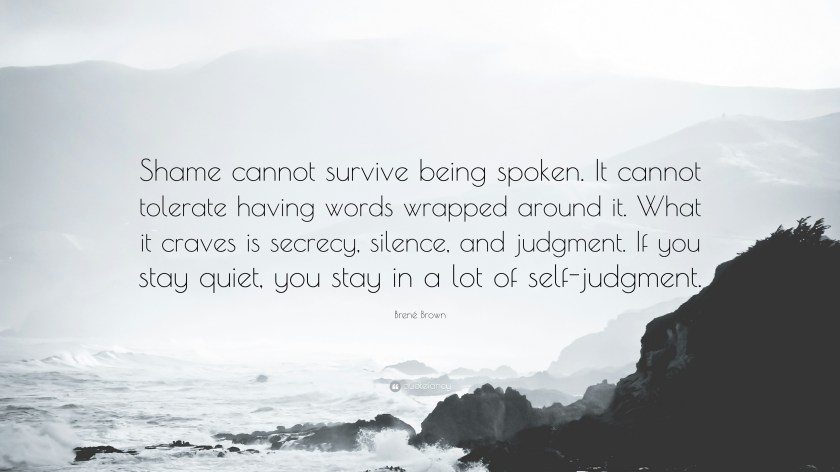
shame-is-the-intensely-painful-feeling-we-are-unloveable-brene-brown


Grief Brain: It’s a Real Thing!

I’m looking right at her.

I know her.  In fact, I’ve known her for years.  But please don’t ask me her name.

I have no idea.

It happens to all of us-meet someone in the store or at the Post Office and you just know you know them, but cannot-for the life of you-remember a name.

file-cabinet

Chatting on, you search mental files desperately trying to make a connection you can hold onto.  Five minutes after she walks away it pops up-oh, yes!  That’s so-and-so from such-and-such.

Imagine if instead of searching mental files without success you can’t even find the file cabinet and start to wonder if one ever existed.

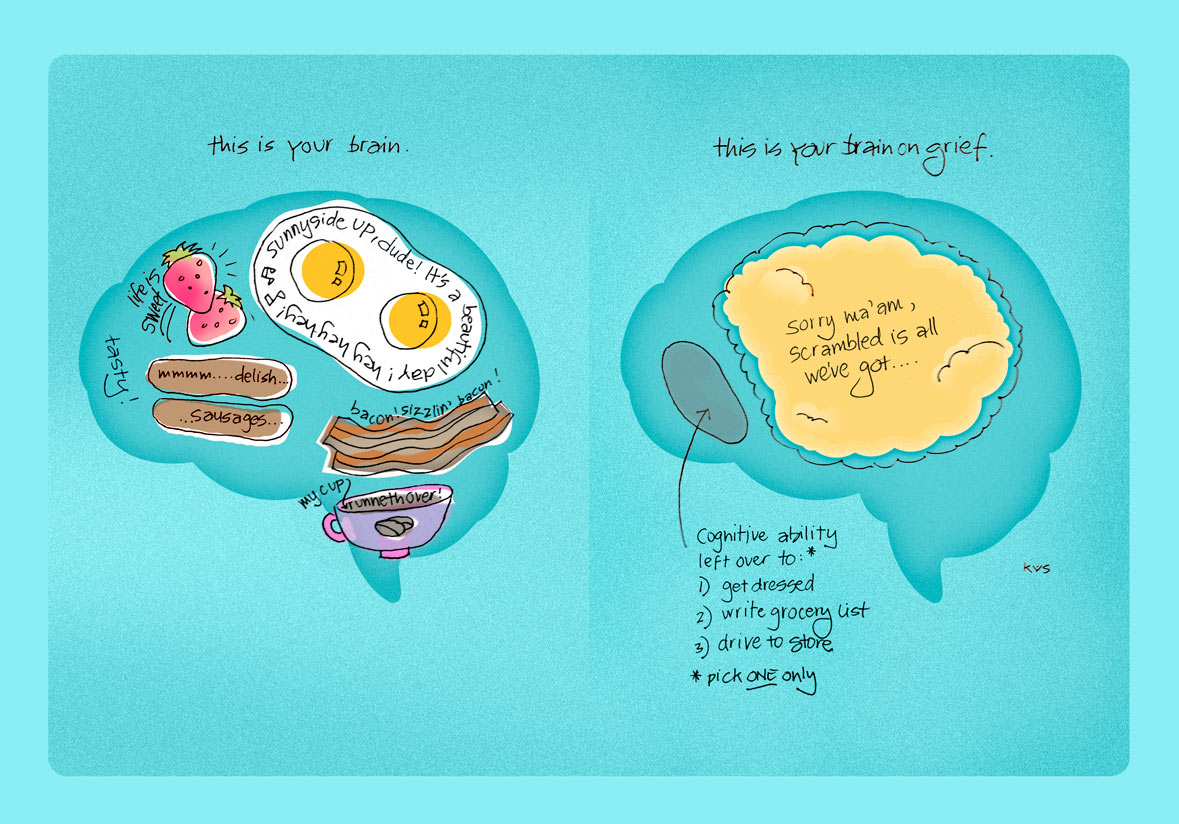
That’s what “grief brain” does to you.

Here are a few more examples of things that actually happened:  

  • Someone would say something to me and I hear them as if it’s another language-I have absolutely NO IDEA what they just said.
  • I had to write a list each morning of the most basic things to do (like eat) so that I didn’t forget to do them. I had to tape the list to the kitchen cabinet because otherwise I lost it.
  • I could no longer walk away from the stove when it’s turned on-I burned more than one pot of peas.
  • There are times I couldn’t remember my phone number or street address when asked.
  • I answered the phone, heard a familiar voice only to be confused about exactly who was on the other end of the line.
  • I became momentarily “lost” on familiar streets or in familiar stores.
  • Sometimes I literally couldn’t remember what day it was.
  • I forgot appointments, meetings and what time church starts on Wednesday night.

confused-huffpo

I began to wonder if I was losing my mind.  

And, in a way, I was.  

At least the mind I had BEFORE my son was killed.

The initial shock was only a beginning.  Ongoing stress and related hormones as well as increased blood pressure, poor sleep, anxiety, profound sadness and being forced to acknowledge my own lack of control bombarded my mind for months.  Pathways I’d relied on for most of my life were changed or destroyed.

If you think of the brain as an interconnected web of associations, functions and activity, it’s easy to see that rerouting or destroying some of the connections makes it harder to access information and do tasks.

neurons

“[W]hen brain imaging studies are done on people who are grieving, increased activity is seen along a broad network of neurons. These link areas associated not only with mood but also with memory, perception, conceptualization, and even the regulation of the heart, the digestive system, and other organs.”  Prevention Magazine

It’s no wonder that I found it difficult to think and do the most routine tasks after child loss!  

My mind was fundamentally altered.

It’s not as bad now as it was in the beginning.

But I still struggle to remember things that used to come easily.  I still hear words that I don’t always understand.  I depend much more on paper and pencil to keep track of important dates, appointments and phone numbers than I used to.  And I never walk away from the stove.

If I make a lunch date with a friend, I ask that she message me the day before to remind me.  If I don’t comprehend what someone is saying, I request that they repeat it.  I keep a paper copy of important information in my purse and an electronic copy on my phone.

It’s frustrating sometimes, but it is not a moral failure that my brain isn’t as sharp as it once was.

What was embarrassing at first is now something I openly acknowledge. 

I ask for help and I don’t apologize.

It’s really OK.

grief-brain-quote-from-cf

Featured image via: bedraggled & kicking

What To Do With All These Feelings???

Feelings, feelings and more feelings!

I’m overwhelmed with them. All. The. Time.

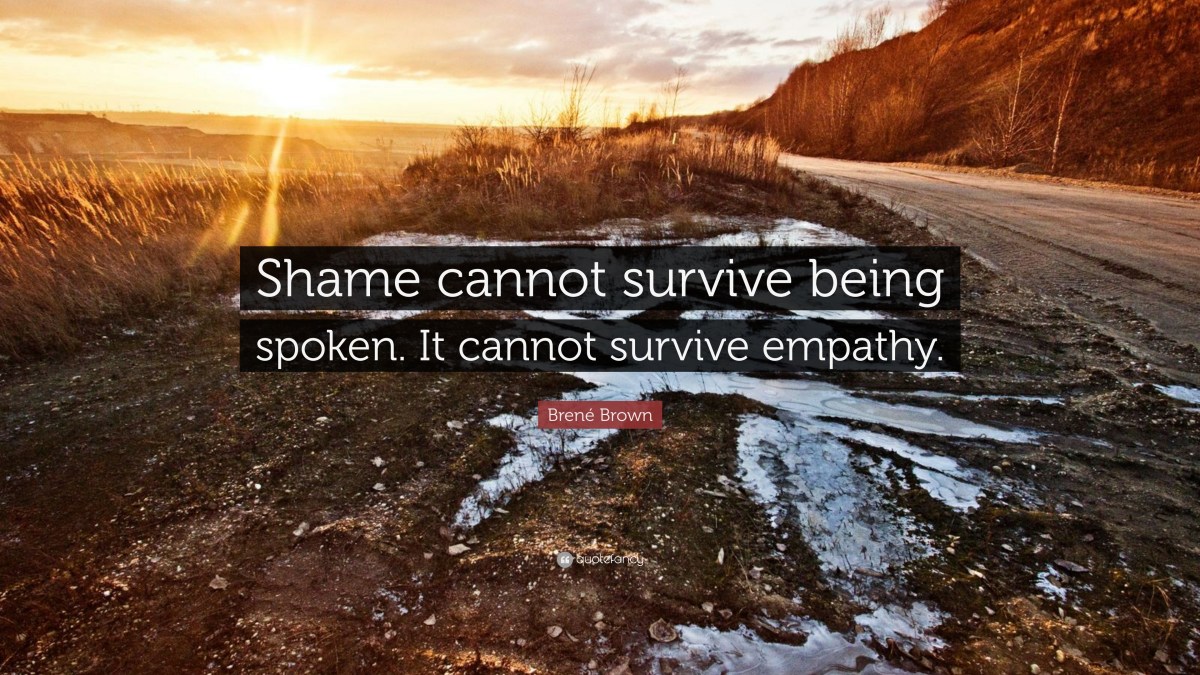
brene-brown-on-empathy-image

Sadness.  Longing.  Regret.  Hopelessness.

But also happiness, excitement and joy.

They bounce around in my head and heart doing battle like caged animals.

What to do? How do I keep my life in some sort of forward motion when if I give in to each and every feeling I’d be going in circles and heading nowhere?

One thing I can’t do is ignore them.

I’ve tried.

Stuffing pain down deep where I think it’ll never escape doesn’t work.

hungry

It just sneaks through whatever crack I haven’t managed to seal tight and shows up at the most inopportune moments.  And the release is often explosive-hurting me and those around me.

Journaling is the best method I’ve found to let my feelings out in a more controlled fashion.

I can say whatever I want to on paper without worrying it will harm another’s heart.  I can write things I would never be brave enough to speak aloud.  I can mark my page with anything I want to-it’s for my eyes only.

I find that letting go of the feelings I’ve been holding in for so long often results in great freedom and release even when my circumstances haven’t changed at all.

This pouring thoughts out on paper has relieved me. I feel better and full of confidence and resolution.

~Diet Eman, Things We Couldn’t Say

And writing them down, I am often better able to discern the reason behind the feelings, better able to think of what I might do to help myselfeven if no one else can help me. Seeing it in black and white I can find patterns and pinpoint unhealthy habits that are leading me down deadend alleys.

Successful journals break the deadlock of introspective obsession

~Alexandra Johnson, Leaving a Trace: On Keeping a Journal

I might start a journal entry with a thought bouncing around in  my mind, or a quote or a Scripture verse.  I may ask a question-of myself or of God-write a memory or whisper a fear.

However it begins the page soon fills with things I wasn’t even aware were inside me.  And almost always ends in a better place than where it started.  

Not one outward circumstance altered.

Not one problem “solved”.

Not a single aspect of life “fixed”.

Journal writing is a voyage to the interior. ~Christina Baldwin

But my ability to understand my own heart and to respond to the unchanging circumstances around me has been enlarged and strengthened.

My journal is the safest space to explore the nooks and crannies of how grief is changing me from the inside out.

Writing is the only way I have to explain my own life to myself.

~ Pat Conroy, My Reading Life

i-write-because-i-dont-know


Repost: HALTing a Grief Spiral

I have to remind myself often of these tips.  So in case you do too, here’s the original post:  

If you’ve ever been in any kind of counseling or recovery group , you have probably seen or heard this acronym and advice: HALT  before you speak.

It’s a great reminder that I should take a moment to consider my frame of mind before I blurt out something that might damage a relationship or wound someone else’s heart.

I had never thought about it until recently, but it is also a great reminder to us who grieve that what we interpret solely as grief (which we cannot control) might be compounded greatly by other things  (some of which we can control).

Read the rest here:  HALTing a Grief Spiral

Surviving Social Situations After Child Loss

The first three months after Dominic ran ahead to heaven were full of social obligations.

Dominic left us in mid-April.  My youngest graduated college five days after we laid Dom to rest.  My eldest son graduated as a veterinarian two weeks after that.  He married two months to the day from Dom’s funeral.

Friends and family members stepped up and lent a hand.  Most people present were very aware of our recent loss and didn’t force small talk. My living children were amazing-flexible, supportive and loving even in their own deep sorrow.

But I’ll be honest, it’s mostly a blur.

I have photographic evidence of each event, but not a lot of personal memories.

Fast forward a few months and there are other social occasions I must attend.

By this time, for most folks, Dominic’s death was an event marked on a calendar they discarded at the end of 2014.  For me, it was as fresh as ever and the pain had actually increased as the absolute truth that he was gone, gone, gone was settling in my bones.

Without a thought, people I’d known for years trotted right up and said, “How are you?” They didn’t really want to know.

Smiling stylish woman showing sign excellently, isolated on red

They were tossing me the conversation ball in the only way they’d been taught to do it.

At that moment, I had a choice:  I could give in to my inner child and shout, “How the heck do you think I’m doing???? I buried a child!!!” OR I could extend the grace I long to receive and say something more controlled and measured.

Now, I’m not nearly as grace-filled as I ought to be or long to be, but I did manage to construct some “pre-recorded” answers to that question in a sincere attempt to be kind. They continue to serve me well.

Heres how I do it:

  • I give an honest, brief response that does not leave room for additional questions. Something like, “As well as you would expect” or “It’s hard, but I’m trying to hold on” or “I’m here” or “Today is a hard day”  or “Today is a better day”
  • I turn the conversation back to them.  I might ask, “How are you and your family?” or, if I had information about a specific event or person in their family, “How is so-and-so doing?” or “I heard you had a new grandbaby-tell me about him/her!” It’s absolutely amazing how easy it is to get people to talk about themselves.
  • If the person is insistent or persistent in questioning me and digging for details I politely say, “I can’t talk right now.  I want to be able to enjoy the (whatever event we were attending) as best I can.  Sorry.”

I also plan a physical escape route if needed:

  • Whenever I enter a space, I scout the restrooms and exits so that if I need to, I can leave a conversation usually by saying I need to go to the restroom.
  • I take note of who’s present and keep an eye out for a safe person I can migrate toward in a crowd.
  • If it’s a sit-down event I make sure to choose a seat where I can get out without having to depend on anyone else-the end of an aisle, table near the door, etc.
  • If I feel myself losing control, I try to leave before it becomes obvious to anyone else.

And I come prepared:

  • I carry tissues,
  • drink plenty of fluids,
  • have some aspirin and usually an anxiety pill with me,
  • wear one of the special pieces of jewelry my children have given me in honor of Dominic and touch it often to keep myself grounded, and
  • wear comfortable clothes and shoes.

I choose a focal point if I must look in the same direction for a long period of time (like at a wedding) and force myself to consider details so my mind won’t wander as much and possibly take me places I don’t want to go.

I remind myself that when that one person I thought would be there for me and but wasn’t floats up like there’s no rift in our relationship, this is not the time nor the place to correct that.

I smile and wave and preserve the dignity of the situation.

Most of all I try to remember that the people most likely to be insensitive or rub me the wrong way are blissfully ignorant of the weight of the pain I carry.  They can’t see the fragments of my shattered heart. They don’t know how much courage it takes to show up.

band-aid-and-heart

I thank God they don’t and pray they never do.


Why is Anxiety Part of Child Loss?

It surprised me when I felt anxious after Dominic ran ahead to Heaven.

Not that the doorbell startled me, or that passing the place of the accident was hard nor that hearing motorcycles made my skin crawl.

But that every single day for many, many months anxiety crept up my backbone and made a knot in my neck.

It surprised me that I felt like I was literally going to explode.  I would walk and walk and walk just to push the negative energy out of my body.

I was also surprised by what seemed to be random triggers-smells, sights, foods, voices, places-that could send me into a tailspin of rapid heartbeat, hurried breathing, sweaty palms and a feeling of abject terror.

I didn’t know it then, but my experience is common.

It shouldn’t be surprising, really.

We all operate in the world as if it is predictable, as if it follows rules.  It’s how we stay sane.

If our minds perceived that most of what we experience has at least a small element of the random, we would sit frozen, terrified to move.

Who can live in a world where you never know what to expect?

When Dominic left this life suddenly, unexpectedly and without warning, my sense of safety and order was violated.

The illusion of control was stripped away.  The grid through which I viewed the world was ripped to shreds.  What I thought I knew about how things worked was proven unreliable.

Truth is, I never really had all that much control, but burying Dominic made that undeniably obvious.

This brutal disruption in worldview created a kind of internal panic.

I wasn’t conciously aware of it at the time because I was overwhelmed with sorrow and the pain of loss.  But my mind was trying to wrap itself around a new understanding of how the world works.

I needed to learn to live in a world where I couldn’t predict outcomes, I couldn’t guarantee safety (even if I did everything “right”) and I couldn’t REALLY plan for tomorrow because tomorrow might very well never come.

I had to figure out how to get out of bed instead of cower under the covers. To get in the car instead of stay at home.  To continue to love the people God gave me even though they may be taken any time.

Anxiety is an outward expression of the inward reality of this disruptive process. My body was screaming what my mind was silently sorting out.

As I have worked on incorporating my experience of losing a child into my worldview, the anxiety has decreased.

I don’t expect to ever live free of anxiety again-how can I when I know by experience what most people only imagine?

But I’m learning ways to deal with it when it rears its ugly head.

grounding-exercise

And I’m learning that every time I triumph over it, I’m stronger and better able to do it the next time.  

courage-dear-heart


Can’t Fake It Forever

There’s a common bit of advice in grief circles:  Fake it until you make it.

It’s not bad as far as it goes and can be pretty useful-especially just after the initial loss and activity surrounding it.

Like when I met the acquaintance in the grocery store a month after burying Dominic and she grabbed me with a giant smile on her face, “How ARE you?!!! It’s SO good to see you out!!!”

I just smiled and stood there as if I appreciated her interest, a deer caught in headlights, silently praying she’d live up to her talkative past and soon move on to another target.

Faked it.

Boom!

BUT there comes a time when faking it is not helpful.  In fact, it’s downright dangerous.

Because if I fake it long enough and get good enough at it, I can convince myself that I have done the work grief requires.

Grief will not be ignored forever.

It bubbles up in physical symptoms and sleepless nights. It boils over in anger and impatience and anxiety and nervous habits.

There is no way through but through.  It has to be faced head on.

Life circumstances kept me distracted and busy for the first four or five months after Dominic ran ahead to heaven.

IMG_1790

I cried, screamed and was heartbroken-I definitely had my moments. But for the most part I functioned at a pretty high level.

It wasn’t until things slowed down that I had my come apart. And it caught me by surprise.

I was forced to sit in silence and face the feelings.  I was compelled to hear my heart shatter-over and over again.

I’ve now had 33 months of this burden of sorrow.  Almost three years to think about, work on and pray through the pain.  

I’m learning to pay attention to my own heartbeat, to my body, to my triggers, to my joy-bringers, my joy-stealers and my limitations.  I’m beginning to accept the bellycrawl progress through this tunnel of darkness by focusing on the bright light at the end.  

I still fake it sometimes-it’s not worth it to me to get into a long conversation with that person I only see every year or so.  Too much time, too much energy and too little reward.

But I’m learning to be more genuine with the people that matter most.  I’m learning to be honest about how I feel, what I need and how much I can do.

And I refuse to allow busyness to creep up on me so that I don’t have the time and energy to continue doing the work grief requires.  

not-required-set-yourself-on-fire-life-daily-quotes-sayings-pictures


HALTing a Grief Spiral

If you’ve ever been in any kind of counseling or recovery group , you have probably seen or heard this acronym and advice: HALT  before you speak.

It’s a great reminder that I should take a moment to consider my frame of mind before I blurt out something that might damage a relationship or wound someone else’s heart.

I had never thought about it until recently, but it is also a great reminder to us who grieve that what we interpret solely as grief (which we cannot control) might be compounded greatly by other things  (some of which we can control).

So I am learning to apply the HALT acronym to a grief spiral in my own life.

When I feel absolutely overwhelmed and the grief wave is dragging me under I ask myself, “Am I hungry, angry, lonely or tired?”

hungry

H-Am I hungry?

  • Have I eaten something within the past 4-6 hours?
  • Have I had enough water in the past 2 hours?
  • Have I eaten too much sugary food today (this can impact blood sugar even if I’m not “hungry”)?
  • Am I eating a balanced diet overall?
  • Am I grazing and eating too much?
  • Do I have an underlying physical condition such as hypoglycemia or diabetes which may impact my ability to think clearly?

Some of us eat our feelings and some of us avoid food when we are stressed.  Either can be terrible for health and for mental well-being.

If you have ever been diagnosed as borderline diabetic in the past, intense grief can send you over the edge-request that your primary health provider do an A1-c test, not just measure fasting glucose.

If you don’t feel like eating, make it a non-option.  Set an alarm on your phone if you have to and consider food as medicine.  If you aren’t fueling your body appropriately, you just simply don’t have the energy to do all the things grief requires.

If you find you are overeating, try to portion out healthy and lower calorie snacks that can help you feel full but are lower in sugar and empty calories. Or instead of eating, try taking a walk or doing a few minutes of impromptu exercise.

angry

A-Am I angry?

Somewhere in life I embraced the idea that anger is “bad”.   When I am angry, I feel the anger and also feel guilty for being angry.

  • Has someone said something that upset me?
  • Has someone done/not done something that frustrates me?
  • Am I angry at God?
  • Am I angry at my missing child for leaving/for choices they made/for not saying “good-bye”?
  • Am I angry at myself for not protecting my child (even if it was not in my power to do so)?
  • Am I angry with my spouse or other close family members because they are not grieving in the same way as me?
  • Am I angry that the world goes on without my child?
  • Am I angry at friends that haven’t “been there” for me?

Acknowledge your anger.

If it is toward a person, ask yourself if you can bring it to them and mend the relationship. If that’s not an option, think about how you can construct boundaries to limit that person’s impact on your life, at least while you are experiencing the most intense feelings of grief.

If it’s toward God, express it in a journal or aloud or to a safe friend.  The Psalms are full of “Why God?”;  “Where are You?”;  “Why have You abandoned me?”

If your anger is toward your missing child, consider writing your thoughts in a journal or a letter to him or her.  Often I find that really all I need is an opportunity to express myself. It doesn’t “fix” things, but it makes them bearable.

woman-looking-through-rainiy-window

L-Am I lonely?

Grief is an isolating experience.  

Once the funeral and first few days or weeks pass by, most people around us either don’t think about our loss or don’t recognize its ongoing impact on our daily lives.  There have been many days when I have felt very, very alone.

  • Do I feel isolated in grief?
  • How long has it been since I was with other people?
  • Have I called/texted/messaged anyone today?
  • Has anyone called/texted/messaged me today?
  • Do I feel like nobody understands me?
  • Do I feel like God has abandoned me?
  • Do I feel like I just can’t talk to anyone anymore because of the differences in our experiences?

I have been blessed with some amazing friends who continue to seek fellowship even though it’s been  2 1/2 years since my son left us.  And I also joined several online communities of bereaved parents where I can vent my feelings any time and be assured that I am received, affirmed and understood.

I think anyone who hopes to heal after the loss of a child must have a safe someone to talk to.  If you don’t have friends or family that can fill that need, consider counseling.  There are just some things you have to speak aloud to be able to work out.

exhaustion

T-Am I tired?

  • Did I sleep last night?
  • Am I going to bed too late or waking too early?
  • Am I staying overly busy and running myself down?
  • Am I getting adequate and appropriate exercise?
  • Am I taking medication that makes me sleepy/tired?

I know that for many bereaved parents, sleep is elusive.  And once asleep, staying asleep is a whole other issue.  But without proper rest, you cannot have the resources to do the work grief requires.

If you are consistently struggling with sleeplessness, consider asking your healthcare provider for help.  There are a number of natural sleep remedies (melatonin, valerian root, etc.) that may be appropriate.  And if necessary, prescription medicine can help break the cycle of insomnia.

None of these things-hunger, anger, loneliness or feeling tired-are the root cause of my grief.

I grieve because my son is gone.

BUTany of them, or a combination of them-can make me more vulnerable to feeling worse IN my grief.

I cannot control the fact that I am grieving.

I cannot remove the burden of sorrow and pain that losing a child has placed upon me.

But I can make adjustments in my lifestyle or life choices to make it easier to bear that burden.